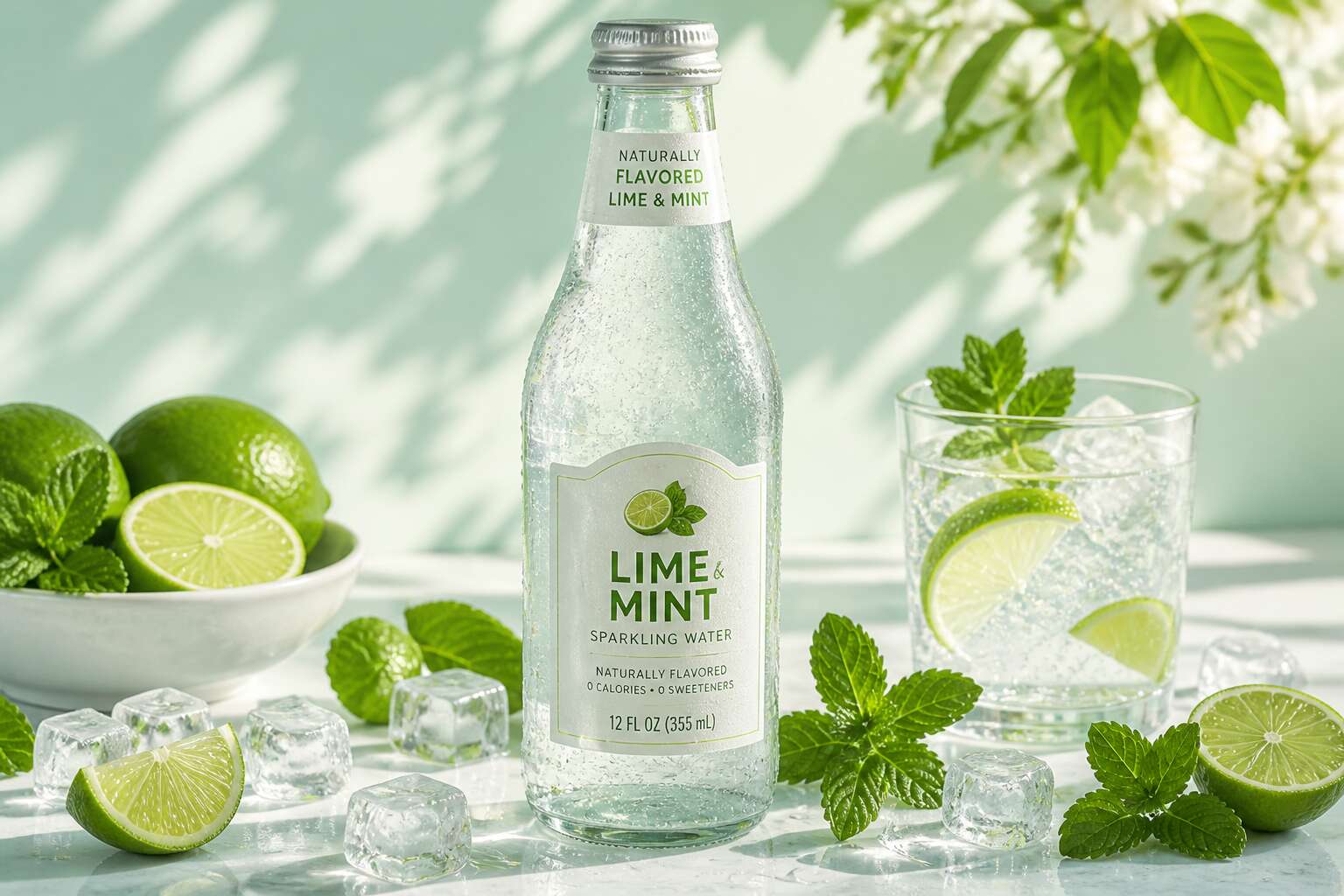
Why Glass Bottles Elevate Sparkling Water
The Taste Advantage of Glass
Glass bottles are chemically inert, and that matters more than most people realize. Plastic and aluminum can subtly alter the character of a drink, but a flavored sparkling water glass bottle stays true to its intended recipe. The difference is not imagined; it is a matter of molecular stability.
I have noticed that carbonation feels livelier from glass. The material keeps the liquid colder for longer, which preserves the effervescence and the aromatic compounds that carry citrus, berry, or botanical notes. A sip from a can often tastes flatter, even when the liquid is identical.
Here is what glass does for taste:
– It blocks oxygen ingress, preventing oxidation.
– It avoids the tinny or plastic aftertaste.
– It allows the full spectrum of flavor to reach your palate.
For South Africans who take their bubbles seriously, the choice of packaging is part of the experience. Glass does not intervene. It simply lets the water and its flavorings speak for themselves.
Environmental Impact: Glass vs Plastic
South Africans know the sting of a plastic bottle left to bake in the sun. It does not decompose; it just crumbles into smaller insults. A flavored sparkling water glass bottle, on the other hand, offers a graceful exit. You rinse it, return it, and watch it become a new vessel without losing its integrity. That is a ritual worth respecting.
Plastic recycling is a negotiation. Each cycle weakens the material, so much of it ends up in a landfill anyway. Glass does not bargain. It is made from sand, and sand is endlessly patient.
- Glass avoids petroleum extraction, which plastic requires.
- Glass does not shed microplastics into soil or water.
- Glass bottle deposit schemes already work in South Africa.
Weigh the weight of glass honestly. It is heavier, which costs fuel. Yet that price is offset by a closed loop where the bottle never truly dies. For a nation that loves a crisp, cold fizz, the environmental trade is clear and quietly satisfying.
How Glass Preserves Carbonation
The shelf life of carbonated water is decided by the permeability of its container. PET plastic allows CO2 to escape slowly, which is why a sealed plastic bottle of sparkling water loses its fizz over time. A flavored sparkling water glass bottle does not have that weakness. Glass is impermeable to gas, so carbon dioxide stays locked inside for a remarkably long period. I have opened plastic bottles expecting a hiss and heard only silence; that never happens with glass.
Carbonation carries flavour and acidity. When it fades, the drink loses its structure. Glass preserves the pressure that keeps the bubble size small and the effervescence steady. The pour is livelier, the sip is crisper, and the experience holds from opening to the last mouthful.
Premium Brand Appeal
Nobody has ever brought a plastic bottle to a braai and been complimented on it. Not once! A flavored sparkling water glass bottle, however, changes the social judgement. It says you brought a drink worth opening properly.
Premium brand appeal lives in that judgement. The weight, the thick base, and the rounded shoulder form the first impression before the cap moves. I have poured from both. Glass provides a satisfying heft. Plastic provides a crinkly compromise.
Glass gives a brand these advantages:
- A more confident display at the point of sale.
- A more enjoyable pour without that plastic crackle.
- A body that people keep on their counter after finishing.
South African buyers reach for the glass bottle first, even if they cannot name the reason.
Perceived Quality and Consumer Experience
The human hand performs the first quality check on any beverage. The evaluation lasts less than a second and relies on weight, texture, and visibility. A flavored sparkling water glass bottle passes this test. You see the true colour of the liquid through clear walls. You feel the solid mass in your palm. The pour produces a clean, resonant sound, not the crinkle of a plastic container. These perceptions shape the drinking experience before flavour is considered.
Consider what glass communicates to the drinker:
- The contents are intended to be savoured.
- The product was handled with care during production.
- The drinking moment deserves attention, not haste.
In South African homes, this transforms the social ritual. The flavored sparkling water glass bottle remains on the table, where guests watch condensation bead on the surface. They hear the faint hiss when the cap turns. These small details accumulate into a judgement of quality. That judgement is the true product being consumed.
Understanding Flavored Sparkling Water Profiles
Natural vs Artificial Flavoring
A 2022 taste test in Johannesburg found that two thirds of participants could not tell whether their sparkling water contained real lemon or a chemical mimic. That confusion is common because natural and artificial flavouring create very different profiles.
Natural profiles use fruit extracts like naartjie or granadilla, giving a soft, evolving taste. Artificial profiles rely on synthetic esters to reproduce familiar smells. These compounds hit your palate faster and stay longer, but they also taste flat. The glass bottle does not create the flavour; it only protects it from plastic’s interference. So the label matters more than the packaging.
Here is what separates the two:
- Natural flavourings offer subtle notes that change with temperature.
- Artificial flavourings give a uniform sweetness that never varies.
For a true flavored sparkling water glass bottle, choose one with a short ingredient list. If the flavour comes from real fruit, you will taste the difference. If it comes from a number, you are drinking a science project.
Citrus, Berry, and Botanical Flavor Notes
Citrus profiles in a flavored sparkling water glass bottle rarely sit still. The oils from naartjie or lemon peel appear on the first sip, then dissolve into a clean mineral finish. Berry notes behave differently. They expand slowly, coating the palate with a soft, sweet tartness that lingers after the carbonation drops. Botanical flavours, like rooibos or geranium, are subtle and often recede as the drink settles.
Here is what distinguishes each profile:
- Citrus: bright, volatile, quick to fade
- Berry: dense, jammy, longer on the tongue
- Botanical: earthy, floral, slow to reveal
Pour the same profile into a flavored sparkling water glass bottle and let it rest. The citrus becomes rounder, the berry flattens, and the botanical notes move forward. Temperature and time shape each one differently.
Balancing Sweetness Without Sugar
Most people expect a flash of sugar the moment a can cracks open. A flavored sparkling water glass bottle offers a different social contract. Sweetness is not added; it is coaxed. This demands a precise balance. Too much acidity makes the fruit note tart. Too little leaves the water tasting flat and apologetic.
- A clean mineral base that carries sweetness without cloying
- Citric acid levels that brighten rather than sharpen
- Carbonation that lifts the nose while softening the palate
Each sip becomes a negotiation. The glass bottle, being inert, lets these elements perform without interference. No plastic ghosts, no metal twang. Just a calm, measured sweetness that respects your palate.
Seasonal and Limited-Edition Varieties
March in the Cape brings a particular stone fruit aroma, and it vanishes quickly! That fleeting window is why seasonal varieties matter. A flavored sparkling water glass bottle released in autumn carries a different personality than the same brand’s summer batch. The base water stays constant, but the fruit sourcing shifts, and so does the mouthfeel.
Some limited editions experiment with indigenous botanicals. Buchu, for instance, offers a minty, resinous note that pairs unexpectedly well with carbonation. Others lean on citrus hybrids developed for drought resistance, producing a drier finish. A flavored sparkling water glass bottle from this range often tastes more mineral, more direct.
Consider what drives these releases:
- Harvest timing dictates flavour intensity
- Regional fruit availability changes the profile
- Batch size influences carbonation pressure
Seasonal profiles reward attention. They turn a simple drink into a record of the growing season.
Choosing the Right Flavored Sparkling Water
Reading Labels for Hidden Ingredients
The fine print on a beverage label tells you what the marketing team hopes you never read. The longer the ingredient list, the more secrets it harbours. Sucralose and acesulfame potassium often hide behind ‘natural flavor.’ Preservatives such as sodium benzoate prolong shelf life but compromise the taste you sought.
Scrutinise every clause. Common offenders include:
- Citric acid, which can mask flat or metallic water.
- Natural flavors, a catchall term that may include carrier solvents.
- Potassium sorbate, a preservative with no flavour benefit.
A true flavored sparkling water glass bottle lists water, carbon dioxide, and a named essence. Nothing else. South African shoppers should also check for local additives. Your palate deserves that clarity.
Carbonation Levels and Mouthfeel
Carbonation is a spectrum, not a single setting. The flavored sparkling water glass bottle delivers that spectrum with precision. Bubble size and pressure determine how the water feels on your tongue. Light carbonation stays subtle, while high carbonation feels aggressive.
Mouthfeel ranges from smooth to prickly. Temperature modifies the experience, as colder water holds gas more effectively. A moderate level often works best for everyday drinking.
- Gentle fizz suits casual sipping.
- Vigorous effervescence pairs with bold flavors.
- Moderate bubbles balance refreshment and intensity.
Your choice should match the occasion. A glass bottle preserves these qualities without absorbing or muting them.
Packaging Formats: Single-Serve vs Large Bottles
The decision between single-serve and large format changes how you consume your flavored sparkling water glass bottle. South Africans often grab a 330ml bottle for lunch breaks or short outings. A 750ml option covers dinner with friends or keeps the fridge stocked for several days.
Small bottles cost more per litre but let you explore new flavours without commitment. Large bottles fit households where sparkling water is routine. I find single-serve bottles ideal for testing a new botanical flavour first! Weigh these points:
- Fridge space at home
- How fast you finish a bottle
- Whether you pour for one or several people
Your flavored sparkling water glass bottle performs well in either size. A single-serve bottle loses fizz quickly after opening, so drink it straight away. A large bottle stays effervescent across multiple pours when you reseal it properly.
Aligning Flavor Choice with Occasions
Choosing a flavor based on the moment changes how you experience your flavored sparkling water glass bottle. A crisp lemon works for a mid morning meeting. A berry blend suits a weekend braai. The right match enhances the setting without competing for attention.
Consider these pairings:
- Morning: citrus or green apple for a sharp start.
- Afternoon: botanical notes like elderflower for a calm pause.
- Evening: wild berry or peach for a relaxed dinner.
I find that matching the intensity of the flavor to the occasion matters more than the brand. A milder taste lets food shine. A bold one stands alone. Your flavored sparkling water glass bottle holds both roles, so choose with intention.
Sustainability Certifications and Brand Transparency
Fewer than one in five beverage brands publish complete audits of their supply chains. Certification schemes, such as B Corp or Fair Trade, verify a brand’s claims about water use and worker conditions. Transparency reveals the origin of every ingredient, from fruit extracts to added minerals. South African consumers now demand proof.
Key markers include:
- B Corp certification for environmental performance.
- Carbon neutral status for the production line.
- Third party audits for water stewardship.
Without these, a brand’s narrative carries little credibility. A flavored sparkling water glass bottle certified through an independent body passes scrutiny. Brand transparency is about accessible data, not slogans. Read the certification details before you buy.
Serving and Styling Glass-Bottle Sparkling Water
Chilling Techniques for Maximum Refreshment
Chilling a flavored sparkling water glass bottle demands patience. Twelve hours in the refrigerator, not the freezer, preserves the carbonation and the fruit essence. The glass turns cold to the touch, a sign of the release waiting inside.
– Fill a wide basin with ice and water, then sink the bottle up to its neck for ten minutes.
– Wrap the glass in a damp cloth and place it in the fridge; evaporation accelerates the cool down.
Serve in a chilled glass, never over ice, which dilutes the delicate flavor. The temperature should hover near four degrees Celsius, where the fizz vibrates with clarity. This careful cold transforms each sip into a sharp, refreshing statement.
Garnish Pairings and Flavor Enhancement
Pouring a flavored sparkling water glass bottle into a crystal tumbler sets the stage for garnish alchemy. I find that a twist of naartjie peel, South Africa’s beloved citrus, elevates a berry note without masking it. The key is restraint; one sprig of rosemary or a single star anise pod whispers rather than shouts.
Consider these pairings for your next gathering:
- Rose geranium leaf with a peach flavor
- Thyme sprig with a pear or apple profile
- Charred lemon wheel to deepen a citrus blend
The aroma from a warm garnish releases before the first sip, so let it hover above the rim. Styling a flavored sparkling water glass bottle with edible flowers or fennel fronds adds visual wit, turning a simple serve into a studied gesture!
Glassware Selection for Sparkling Water
The right glass transforms the ritual. For a flavored sparkling water glass bottle, a tulip-shaped tumbler concentrates the bouquet. I prefer a stemmed glass for still evenings; the stem keeps warmth away from the liquid. A coupe releases carbonation gently, making it a surprising choice for short pours. Here is a quick guide:
- Flute for high, persistent bubbles.
- Rocks glass for crushed ice and robust botanicals.
- Large balloon glass for generous aromatics.
The vessel should match the mood. A narrow rim keeps bubbles lively. A wide rim invites florals. Styling extends beyond the pour. A slate tray keeps the bottle steady without stealing attention. Condensation forms naturally when the bottle is left alone. The glass bottle itself is part of the visual presentation. A 45-degree tilt during the pour preserves fizz and enhances the visual. Serve chilled, never over-iced.
Creating Alcohol-Free Mocktails
Creating a mocktail from a flavored sparkling water glass bottle is about restraint. The carbonation and botanical notes carry the drink. I keep the recipe simple, letting the original flavor stay the star.
A few building blocks go a long way:
– A squeeze of fresh lime
– A bruised mint sprig
– A slice of cucumber
These additions enhance, not mask, the water. For a weekend braai, I set the bottle on a wooden board with fresh fruit nearby. Guests build their own alcohol-free mocktails, which keeps the gathering relaxed.
The styling works because the glass bottle presents well. Condensation forms naturally, and the liquid stays visible. A flavored sparkling water glass bottle fits comfortably into a casual setting without needing extra effort.
Storage and Shelf Life After Opening
The fizz fades fast once you crack the seal! A flavored sparkling water glass bottle should stay chilled upright in your fridge, never on a counter where heat accelerates loss of carbonation. I always cap it tightly right after pouring, then return it to the coldest shelf. This keeps the botanical notes vivid for up to three days.
For serving, I pour straight from the fridge into a chilled glass. The glass bottle itself rewards careful handling; condensation forms quickly, so I wipe the neck before setting it on a table. Storage style matters:
- Keep the bottle upright to slow gas escape.
- Finish within 48 hours for the brightest flavor.
- Never use a spoon to stir leftovers, it flattens the water.
That routine preserves the fizz and keeps every glass as crisp as the first.
The Market Outlook for Premium Sparkling Water
Growth Drivers in Flavored Sparkling Water
The premium water sector in South Africa is expanding faster than industry analysts predicted. Consumers are directing spending toward products that deliver sensory clarity and a deliberate ritual. The flavored sparkling water glass bottle has become a symbol of this shift. It answers a need for honesty in refreshment.
Growth drivers across urban markets:
– Rising health consciousness that displaces sugary soft drinks.
– Demand for packaging that feels intentional and reusable.
– Interest in low intervention beverages with clean ingredient lists.
These forces push the market beyond utility. People want a drink that respects their time and their body. The flavored sparkling water glass bottle provides structure and texture without any need for extra sweetness or additives. Glass amplifies the drinking experience through its weight and temperature transfer. Premium brands recognize this connection. They invest in glass formats because consumers perceive them as higher value. The outlook reflects a permanent shift in drinking culture, not a passing preference.
Consumer Preferences for Eco-Friendly Packaging
South Africa’s premium sparkling water segment has moved beyond fringe status. It sets the reference point for urban refreshment. Market analysts now track the flavored sparkling water glass bottle as a leading indicator of consumer commitment to eco-conscious purchasing. What impresses me most is the deliberate pace of this transition!
Consider what drives this preference:
- A desire for containers that can be cleaned, refilled, and reused for years.
- Frustration with single-use packaging that degrades the drinking ritual.
- Recognition that glass protects the liquid’s mineral profile without leaching.
The outlook shows sustained growth. South African consumers increasingly treat packaging as part of the product itself. They inspect the bottle before they taste the water. This behavior is not a trend cycle. It is a structural change in how premium beverages earn their place in the household.
Pricing Trends in Premium Bottled Water
Premium sparkling water pricing in South Africa has moved past the old formulas. I find the current trajectory remarkable. The flavored sparkling water glass bottle now carries a price premium of roughly 40% over plastic alternatives, and that margin is holding steady. This is not arbitrary. It reflects real production differences.
Consider what drives that price point:
- Glass recycling costs in South Africa
- Heavier logistics and transport expenses
- The refillable nature of the bottle extending its useful life
Market analysts expect this stratification to deepen. Consumers are treating the bottle as a permanent household object. The price becomes an investment in ritual, not a casual expense. The outlook remains bullish!
Opportunities for Small-Batch Producers
The market for premium sparkling water is no longer the exclusive domain of multinational brands. Small batch producers are claiming shelf space and consumer loyalty across South Africa. The flavored sparkling water glass bottle serves as their calling card, a format that signals care before the first sip.
- Local glass bottle return schemes lower packaging costs.
- Short supply chains allow fresher botanical infusions.
- Small production runs enable rapid experimentation with new flavor profiles.
Yet the opportunity runs deeper than logistics. There is a pursuit of permanence in this work, a desire to build a brand that outlives quarterly targets. What a thrilling moment for independent makers! For small batch producers, the glass bottle is not packaging. It is patrimony.
Lessons from Ready-to-Drink Beverage Trends
Somewhere between the energy drink boom and the hard seltzer hangover, a quieter lesson emerged for premium sparkling water. South African consumers are trading sugar spikes for something more deliberate. The flavored sparkling water glass bottle sits at the centre of this shift. It signals restraint, which is a rare commodity in the beverage aisle.
The ready-to-drink market taught producers that people will pay for ritual, not just refreshment. Canned cocktails and cold brew coffee conditioned buyers to expect a premium experience without a barista. Sparkling water in glass extends that logic. The bottle itself becomes the proof of quality. No shrink wrap can substitute.
Local data suggests the category is outpacing still bottled water in urban centres. That momentum depends on brands treating glass as a feature, not an afterthought. Once consumers equate the flavored sparkling water glass bottle with a more sophisticated sip, the packaging becomes the product.

0 Comments