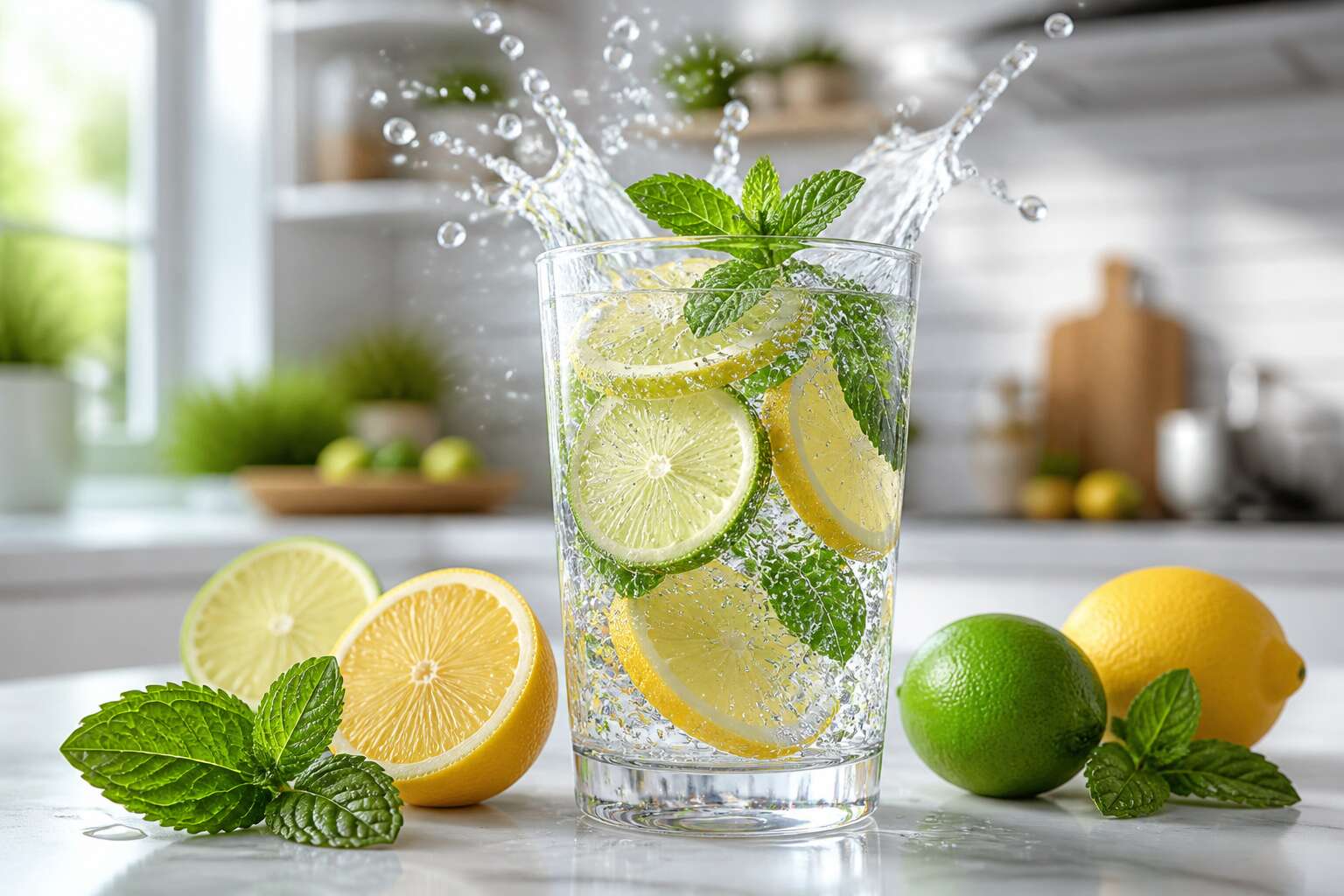
The Fundamentals of Flavoring Sparkling Water
Understanding Carbonation and Flavor Interaction
More than 40% of South African consumers now reach for sparkling water over sugary sodas, yet the alchemy of its taste remains a mystery. The transformation is not merely additive; it is chemical. When carbon dioxide dissolves under pressure, it forms carbonic acid, a weak compound that lowers the pH and creates that signature sharp bite. This acidity fundamentally alters how your palate interprets sweetness and fruit essences.
This acidic backbone is the canvas for flavour. Flavours are often oil-based extracts or natural essences added post-carbonation. The effervescence acts as a carrier, propelling volatile aroma compounds to your olfactory receptors, which is why the scent is as crucial as the taste.
Common flavour profiles that survive this interaction include:
– Citrus oils, which retain their zesty brightness due to their structural stability.
– Berry extracts, which need higher concentrations to penetrate the acidic environment.
– Botanical additives, like cucumber or herbs, which offer a delicate contrast to the sharpness.
Therefore, crafting the drink is a balancing act. The goal is harmony, where the acid cleanses the palate and the flavour lingers. This interaction explains the core science of how is sparkling water flavored without relying on heavy syrups or artificial sweeteners.
Natural Flavor Sources: Fruits, Herbs, and Botanicals
Ask any flavour chemist about how is sparkling water flavored and they will point to the harvest, not the laboratory. I have watched South African producers harvest buchu, rooibos, and wild fynbos blossoms for their sparkling lines. These botanicals carry a distinct regional identity that no artificial essence can replicate!
The extraction method shapes the final profile. Steam distillation captures the light, floral top notes of a plant. Cold pressing preserves the heavier, sun-soaked characteristics. Each technique demands a different quantity of raw material. This is where cost and character diverge.
A few fundamentals guide every selection:
- Regional terroir alters a fruit’s sugar and acid balance.
- The ripeness at harvest determines the aromatic intensity.
- Water quality directly influences how these extracts express themselves.
To grasp how is sparkling water flavored, start with the raw ingredient. A well sourced lemon or a hand picked sprig of mint carries more character than any laboratory compound.
Artificial Flavoring Compounds and Their Purpose
Artificial flavoring compounds fill a specific role. They deliver consistency. A can produced in Johannesburg should taste identical to one shipped to Cape Town. Natural extracts fluctuate with every harvest. Artificial compounds do not.
Flavour chemists build these profiles molecule by molecule. Each component serves a calculated purpose. Some brighten citrus. Others reinforce berry notes that fade during storage. The final product mimics a natural taste with reliable precision, which is exactly why mass market brands lean on them.
I find the creative angle equally interesting! Artificial compounds let producers test wild flavour combinations without commissioning expensive extract batches. That freedom shapes what reaches your shelf. And this is where the economics of how is sparkling water flavored truly diverge from the artisan approach.
How Commercial Brands Infuse Flavor into Carbonated Water
Using Natural Fruit Essences and Extracts
Commercial sparkling water brands achieve their flavor through natural essences. These are the volatile compounds captured when fruit is gently heated under vacuum. The resulting concentrate delivers the fruit’s aroma, the scent of ripeness, without any sugar or pulp.
Extracts take a different path. Producers steep whole fruit in alcohol or glycerin, dissolving the flavor molecules locked inside the flesh and skin. They filter the liquid and add it to the carbonated water in precise, almost microscopic doses.
Here is how that process unfolds on a production line:
- Citrus peels are cold pressed for their bright essential oils.
- Berries are steam distilled to preserve their delicate esters.
- Herbs and spices are macerated in neutral alcohol to release their depth.
This, in essence, is how is sparkling water flavored by the industry’s leading houses. The precision involved still amazes me!
Essential Oils and Citrus Zest Extraction
Citrus zest is where commercial brands find their brightest flavors. Once you understand the extraction of essential oils, you see how is sparkling water flavored through pure aroma. The process starts with cold pressing the outer peel. This releases the oil glands without disturbing the bitter pith underneath.
A typical production run looks like this:
- Peels are washed and scored to expose the glands.
- A press squeezes out the volatile oils.
- The oil is separated from the watery residue and measured into the carbonated water.
Steam distillation works for softer citrus like yuzu. The heat drives off aromatic compounds that condense into a concentrated flavor. Both methods yield a clean profile that needs no sugar. That is the practical answer from top brands.
Juice Blends and Purees: Adding Flavor with Minimal Calories
In the shadowy corners of beverage laboratories, juice blends and purees offer a different kind of alchemy. Tiny amounts of pear or apple puree carry flavor without the weight of sugar. The question of how is sparkling water flavored often leads here, where fruit solids whisper their character.
One method involves pressing fruit into a thick puree, then filtering it to extract the essence. This liquid is measured into carbonated water at precise ratios.
- White grape juice for sweetness
- Pomegranate concentrate for tartness
- Mango puree for body
Each addition contributes a layer of complexity while keeping calories sparse. Brands rely on these blends to achieve a balanced taste that persists beyond the first sip, turning a simple drink into a lingering experience.
The Cold-Infusion Method for Delicate Flavors
When heat touches fruit, it destroys the volatile compounds responsible for a raspberry’s perfume or a cucumber’s cool edge. Cold infusion avoids this loss entirely. I have tasted the difference this method makes, and it is not subtle. Commercial brands submerge whole fruits, herbs, and citrus peels directly into chilled water for 12 to 48 hours. The slow extraction draws out the essence while preserving the molecular structure of delicate aromatics.
Some producers employ vacuum chambers. Under reduced pressure, water extracts flavor at room temperature, eliminating thermal damage altogether. The finished product delivers a clean, precise flavor, tasting of the actual fruit rather than a manufactured imitation.
This technique proves especially valuable for botanicals that turn unpleasant when warmed:
- Elderflower, which becomes bitter
- Cucumber, which develops a musky undertone
- Lemongrass, which loses its bright citrus top notes
To understand how is sparkling water flavored at this level, one must appreciate that the gentlest methods frequently produce the most vivid taste.
Spice and Botanical Infusions for Complex Profiles
Somewhere between the sterile chill of carbonation and the heat of creation lies the true craft of spice. Most consumers assume a generic “botanical” taste is simple, but commercial producers know better. The process often begins with a solvent, like a high-proof alcohol or glycerin, which strips resinous compounds from cardamom pods, black peppercorns, or dried ginger root. This tincture is then added to the sparkling base, where the solubilized oils disperse rapidly and evenly.
Certain spices demand a more severe approach. Chilli peppers require a dehydration step to stabilize their capsaicin content, followed by a steam distillation of the husks. Conversely, aromatic woods and barks, like cassia or juniper, benefit from a slow expression under pressure. The resulting extraction methodology is specific to how is sparkling water flavored. It is rarely a single addition; it is a layered infusion. Consider the common additions to create a primary complexity:
- A splash of rose water for an ethereal top note, added just before bottling.
- A dark, almost black, rooibos decoction to impart a woodsy base.
- A pinch of smoked salt to lift the spice oils off the palate.
These doses, though small, behave like ghosts in the machine. They do not merely sit upon the water; they alter its entire texture. In the final sip, the spice is not a shout, but a feeling. This careful alchemy ensures the carbonation does not flatten the profile, but rather, pulls the aromatic depth upward. That is the unspoken secret of a truly complex sparkling water. It is an undertone of the dark pantry, not a confection.
The Science Behind Flavor Delivery in Sparkling Water
How Bubbles Enhance or Distort Flavor Perception
Carbon dioxide does more than fizz. It activates pain receptors on the tongue, which changes how the brain interprets flavour. That is why a grapefruit sparkling water tastes sharper than still juice. The bubbles carry aromatic compounds upward as they burst, so scent reaches the nose faster. But CO2 also suppresses certain sweet receptors, so makers must use higher concentrations of flavour compounds than a still drink would need.
Consider citrus:
– The acid in carbonation amplifies sourness.
– The bubbles lower perceived sweetness.
– The aroma rises quickly, making fruit essence appear brighter.
For anyone researching how is sparkling water flavored, the real answer sits in balancing those three effects. The same essence that tastes fine in a flat beverage turns muted once carbonated, so flavourists adjust ratios specifically for the bubble environment.
Water Solubility of Flavor Compounds
Water solubility determines whether a flavour compound ever reaches your palate. Most fruit essences, particularly citrus terpenes like limonene, are hydrophobic. In a still beverage, manufacturers rely on emulsifiers or small amounts of alcohol to keep these molecules suspended. Carbonated water complicates matters further.
Dissolved CO2 lowers the pH of the drink, which alters the ionic state of certain flavour molecules and shifts their solubility. Some esters break down faster in this acidic environment, while others become more volatile. When I formulate for carbonation, I test each compound under the exact pressure level the can will hold, because solubility data from flat beverages misleads.
- Hydrophilic compounds dissolve readily and deliver immediate taste.
- Hydrophobic compounds need carriers or remain suspended as microemulsions.
- Acidity changes the solubility curve for many organic acids.
So when someone asks how is sparkling water flavored, the honest answer begins with solubility, not taste. The carrier determines whether the essence ever reaches the bubbles at all.
Acidity, Sweetness, and Balance in Flavor Design
The acidity of carbonated water is not a background detail. It controls how flavour behaves. Dissolved CO2 drops the pH and shifts sweetness perception. A profile balanced in still water can feel thin and sharp in sparkling water. Formulators do not add an essence and hope for the best. They design around the acid.
Here are the interactions I measure!
- Acid suppresses perceived sweetness, so I raise sweetener levels by 10 to 15 percent.
- Sweetness dulls the bite of CO2, softening the mouthfeel.
- Lower pH intensifies bitter botanicals, which can help or ruin a profile.
The answer to how is sparkling water flavored often lies in these adjustments. I have seen a great essence fail from poor acid balance. I have seen a simple one succeed with the right sweetness. The first sip reveals the formulator’s choices!
Effects of Pressure and Temperature During Carbonation
Pressure and temperature are not background details in the carbonation tank. They govern how and when flavor reaches your palate. At higher pressure, more CO2 dissolves into the water. That gas later expands in your mouth, carrying aromatic compounds upward to the nasal passage. I have tasted the same profile bottled at different temperatures, and the difference is startling. Cold water holds carbonation longer and slows the release of volatile organic compounds. Warm sparkling water releases gas too quickly, and the flavor dissipates before you have time to appreciate it.
Formulators who understand how is sparkling water flavored account for these variables on the filling line.
- Pressure settings alter bubble size, which changes the intensity of the tingle on the tongue.
- Temperature at filling decides how much gas remains trapped in the sealed bottle.
That is why one batch can taste vivid and the next flat. The delivery system is part of the recipe.
DIY Methods for Flavoring Sparkling Water at Home
Fresh Fruit, Citrus Slices, and Herb Combinations
Most people assume that flavour in sparkling water is locked inside the bottle at the factory. At home, the process is more direct and personal. The answer to how is sparkling water flavored in your own kitchen begins with a simple base of chilled, carbonated water. You become the flavour designer, controlling every element without preservatives or sweeteners.
A popular ritual involves muddling herbs at the bottom of a glass before the ice. The essential oils release immediately, creating a fragrant foundation. Combining cucumber ribbons with lime zest and a sprig of rosemary produces a layered, savoury profile.
Consider these proven combinations:
– Muddled mint, lime juice, and a splash of pure cranberry juice
– Sliced ginger, lemon peel, and a bruised basil leaf
– Orange wheels soaked in vanilla extract and marjoram
Each ingredient interacts with the carbonation differently. The bubbles lift the aromatic compounds and carry them directly to the olfactory senses. This sensory boost often creates a perception of more intense flavour than the actual ingredients. Therefore, the home method offers an immediate, practical answer to how is sparkling water flavored beyond the commercial curtain.
Using Flavor Drops and Liquid Water Enhancers
Flavor drops offer immediate gratification. These concentrated liquids sidestep the produce aisle entirely. A dropper bottle of berry burst transforms carbonated water into a berry-flavoured drink. The answer to how is sparkling water flavored with these enhancers comes down to chemistry. Most use propylene glycol as a carrier, along with artificial sweeteners or natural flavoring compounds.
The application requires restraint. Two drops taste like a hint. Five drops taste like a fruit punch that filed a lawsuit. Consider these categories:
- Sweetened enhancers with sucralose or stevia
- Electrolyte drops marketed for athletes
- Bitters and cocktail-style aromatic drops
Each behaves differently under carbonation. The bubbles oxidize certain flavor molecules quickly, so the initial sip differs from the finish. This is how is sparkling water flavored by enhancers, and South African brands like Stoney or Appletiser inspire these profiles, though the drops are often imported. The convenience is undeniable. No muddling, no slicing, no bruised basil leaves.
Homemade Syrups and Concentrates for Sparkling Water
Homemade syrups take patience, not shortcuts. A simple sugar base, fruit, and time transform plain soda water into something with genuine character. Simmer crushed berries with sugar and water, then strain. That is the entire method. Commercial producers chase consistency with artificial molecules, but the home kitchen allows fingerprints in the final glass.
The key variable is heat. Boiling too long destroys volatile aroma compounds before they ever meet the bubbles. A gentle, slow infusion preserves the fruit’s soul. This is how is sparkling water flavored by artisans at home. A drop of vanilla extract can elevate stone fruit syrups. A pinch of salt balances sweetness. Each batch emerges slightly different, and that unpredictability is the reward.
Some profiles work better than others under pressure:
– Ginger and honey creates a fiery, viscous syrup
– Watermelon and mint requires no cooking, just muddling
– Rooibos tea steeped with orange zest offers a local twist
The syrup-to-water ratio matters. Too much sweetener collapses the carbonation’s bite. Too little leaves the bubbles naked. The South African palate, accustomed to bold profiles from brands like Appletiser, prefers a robust pour. The effort pays off in the first sip, where the syrup’s complexity unfurls against the sharp, cold fizz. You own that glass completely.
Carbonating Pre-Infused Water in a Soda Maker
Carbonating pre-infused water changes the order of operations. You steep first, then pressurize. This sequence determines how is sparkling water flavored inside a soda maker. The bubbles arrive after the infusion, so the carbonation preserves what gentle extraction achieved, rather than masking it.
Hardy botanicals survive the process well. Ginger slices, rooibos, and citrus peel hold their character under pressure. Delicate mint leaves do not. They lose their punch in the churn. Stick to ingredients with structural integrity. The infusing liquid also needs time. Thirty minutes works for cucumber, but stone fruits demand an hour or more.
- Cucumber and green apple, sliced thin, infuse in thirty minutes
- Citrus peel steeped for an hour delivers a sharp, clean bite
- Crushed fennel seeds add an unexpected savoury note
Strain the water thoroughly before carbonating. Floating particles create nucleation points, which means the CO2 escapes too fast. That ruins the fizz. A fine mesh sieve catches everything. The result is a crisp drink that answers how is sparkling water flavored with purpose, not guesswork.
Optimizing Steep Time and Chilling for Maximum Flavor
Steep time determines the final character. Thirty minutes suits cucumber, but two hours transforms dried hibiscus into a tart base. Chilling the infusion to four degrees before pressurizing preserves volatile aromatics. Heat would scatter them.
I often ask how is sparkling water flavored without losing freshness. The answer involves patience and temperature. A simple ratio guides the process:
- Three hours for woody herbs like rosemary
- Ninety minutes for ginger or lemongrass
- Twenty minutes for soft berries
Strain well, then chill overnight. Bubbles then hold their integrity.
Seasonal and Spicy Additions: Cucumber, Ginger, and Berries
In Cape Town’s summer heat, I have seen home carbonators turn into museums of forgotten herbs. The answer to how is sparkling water flavored lies in seasonal restraint. Cucumber slices demand a twenty minute steep, no longer. Ginger, peeled and bruised, needs a gentle simmer first to release its heat. Berries behave differently, they surrender their color quickly but their flavor slowly.
For a spicy kick:
- Thai chilli and mint for a sharp contrast
- Black pepper and strawberry for an unexpected depth
- Turmeric and orange zest for a golden glow
An overnight chill at four degrees allows these additions to merge without losing their edges. The bubbles then carry the flavor, not the other way around.
Flavoring Trends and Labeling Regulations
Decoding ‘Natural Flavors’ and ‘Essence’ on Labels
The sparkling water aisle has become a study in label linguistics. South African shoppers increasingly ask how is sparkling water flavored while examining fine print that promises “natural” purity. Regulatory definitions, however, leave considerable room for interpretation.
“Natural flavors” can include compounds extracted using chemical processing, as long as the original source is plant or animal material. “Essence” usually refers to concentrated aromatic fractions, often captured through steam distillation of citrus peels or herbs. Neither phrase tells you the whole story.
Consumer demand for clarity is reshaping the market. Some producers now adopt transparent labeling practices:
– Listing the exact botanical origin
– Disclosing the extraction method
– Providing the percentage of fruit content
Regulatory oversight in South Africa, guided by food standards codes, permits this ambiguity. The result is a category where perception often outpaces precision.
Zero-Calorie Flavored Seltzers: How They Achieve Flavor
The zero calorie seltzer segment now competes on flavor. Brands tout how is sparkling water flavored with fewer ingredients. Some use fermentation-derived essences, others rely on extracted botanical oils. The trend leans toward minimalism: one fruit, one herb, no sweetener.
Consumer pressure is pushing some brands to name the actual botanical instead of hiding behind “natural flavor.” The zero calorie category leads this shift because taste is the only differentiator. Some seltzers now list specific citrus varieties or herb cultivars on the front of the can. This transparency helps, but the underlying flavor chemistry stays invisible.
Zero calorie seltzers often achieve flavor through cold infusion or vapor infusion. These methods preserve volatile compounds that heat-based extraction destroys. The result is a cleaner taste without added sugar. Yet the labeling regulations still treat these methods as trade secrets. Until the standards code tightens, shoppers must examine the fine print.
Organic and Non-GMO Flavor Sourcing Standards
Organic certification changes how is sparkling water flavored from the ground up. Farmers document every botanical input, from citrus peel to coriander seed, and processors must keep organic streams separate from conventional ones. The non-GMO standard stacks on top. It demands traceability back to seed stock, which eliminates certain enzyme-assisted extractions common in bulk production.
Labeling regulations lag behind these practices. The USDA allows organic claims for products with 95% certified organic ingredients, but flavor extracts often sit in the remaining 5%. South African importers face similar gaps. A label can say organic while the actual flavor compound escapes full disclosure! The standards that matter most:
– Non-GMO Project verification requires annual audits of raw botanicals.
– EU organic certification bans synthetic solvents during extraction.
– South African regulations demand specific botanical names on labels, not vague terms.

0 Comments