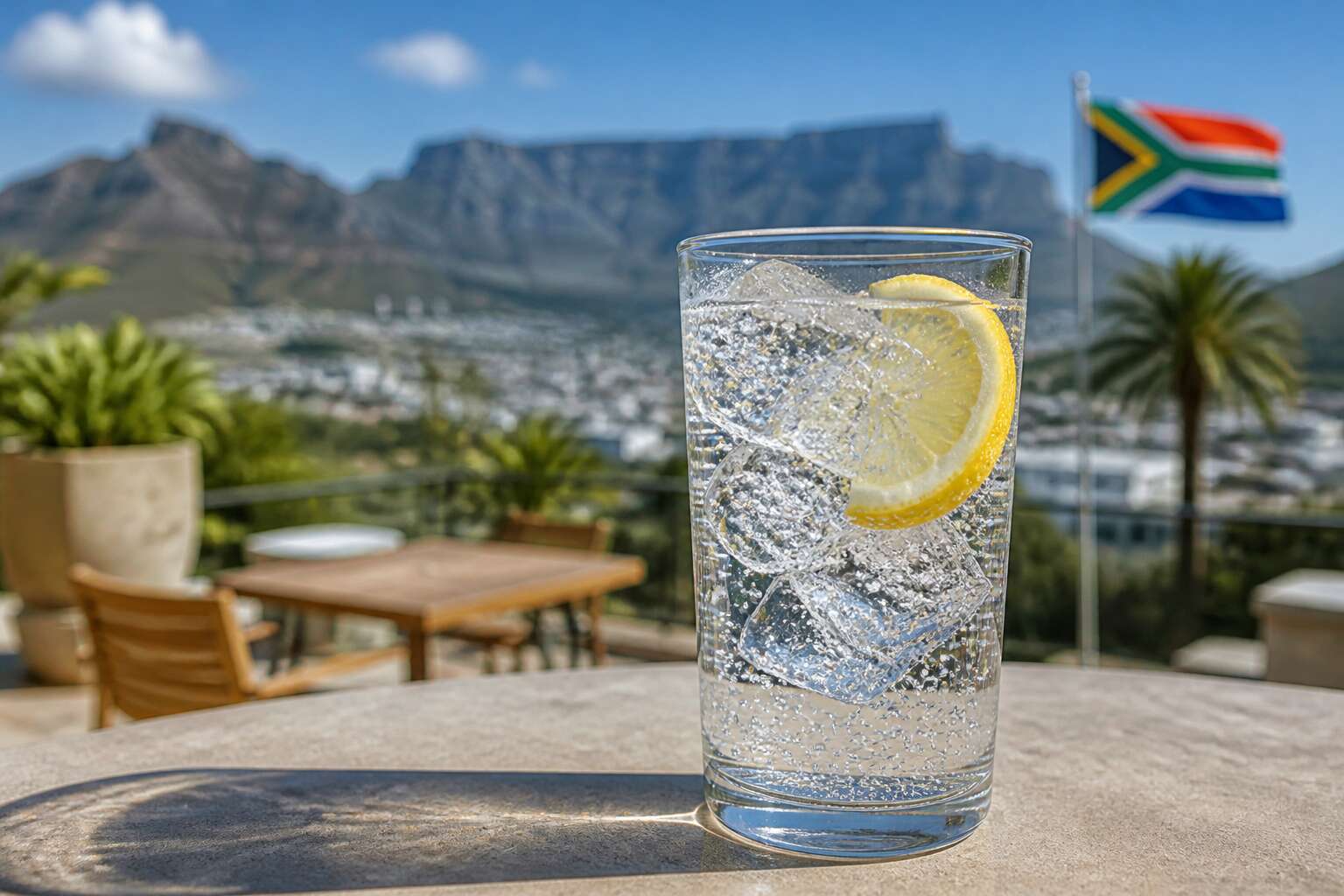
Why South Africans Are Reaching for Fizz
From Cocktail Culture to Everyday Hydration
A bottle of sparkling water south africa now opens with a sound that signals refreshment and intention. The carbonation has moved beyond cocktail bars into lunch bags, office fridges, and dinner tables. People use it to cut rich foods, to hydrate without sugar, or to add ceremony to an ordinary evening.
I have watched this category grow from a niche curiosity into a pantry staple. Local brands have expanded their ranges, and imported options are easier to find. Consumers have also grown more deliberate about what they drink. They read labels, compare mineral content, and favour products with clean profiles.
Consider the common threads among buyers:
- Health goals reduce reliance on sugary drinks.
- Cocktail enthusiasts need a reliable mixer.
- Everyday meals benefit from a crisp, neutral pairing.
The result is a category that feels settled, even essential. For many South Africans, the fizz is less about novelty and more about rhythm. It is there when they need it, and that consistency matters.
The Influence of Western Dining Trends
In Cape Town’s newer bistros, the water list now rivals the wine list. That shift comes straight from Paris and New York, where sparkling water south africa has become a table standard. Western dining trends treat carbonation as a palate cleanser, a companion to rich sauces and grilled proteins. South Africans are absorbing that ritual, not as imitation but as adaptation. I see it in how a meal unfolds.
Consider what arrives before the first course: a chilled bottle, a quiet hiss, a glass poured without ceremony. This is the Western influence made tangible. It shows up in three ways:
1. Still water is perceived as flat.
2. Sparkling is linked to discernment.
3. The bottle signals a meal’s intention.
Locally, brands respond with lighter bubbles and mineral notes. The result is a dining culture that leans into texture and contrast.
Local Spring Water Sources Gaining Traction
There is a quiet revolution happening in the Western Cape’s water aisles. Local springs, once reserved for still bottling, are now carbonated and canned. The reasons are practical. Shorter transport means lower costs. Source transparency builds trust. And the taste, shaped by granite and fynbos, carries a mineral signature you cannot fake.
Consider the Karoo. Its underground aquifers deliver a distinct salinity. When lightly carbonated, that salinity becomes a companion to braaied lamb. We are seeing the same pattern in KwaZulu-Natal.
- A desire to reduce imported bottles
- Curiosity about regional terroir
- Pride in packaging that names a local valley
Sparkling water South Africa is evolving from a generic product into a place-specific choice. Each sip tells you where the rain fell, and that intimacy matters more than the bubble itself.
Premium and Craft Offerings Emerge
Premium sparkling water sales in South Africa climbed 18% last year, a pace that still water cannot match. That number reflects a deeper shift. We no longer treat fizz as a mixer or a sweet drink substitute. We treat it as a deliberate choice, one worth paying for.
Craft producers respond with small batches and careful carbonation. They name their sources, adjust mineral profiles, and release limited runs. The attention shows in every bottle! Drinkers notice the difference between a generic carbonate and a considered pour.
- Small makers use local botanicals such as buchu and spearmint.
- Some farms now carbonate their own borehole water on site.
The market for sparkling water south africa now carries these artisanal labels alongside international brands. Consumers reach for them because they offer something specific: a sense of place, a measure of craft, and a fizz that respects the palate.
Comparing Homegrown Heroes and Global Giants
Leading Local Brands You Should Know
Local brands have doubled their share of the sparkling water shelf in three years. I see it in the wholesale numbers and in what people put in their trolleys! The old default of grabbing the global name is fading.
- Global giants offer consistent taste and aggressive pricing.
- Homegrown labels compete with transparent sourcing and local employment stories.
This matters for anyone tracking sparkling water South Africa as a category. The choice is between a product made here and one licensed from abroad. Buyers are choosing local with their wallets, and that trend is only picking up speed.
Imported Favourites That Are Here to Stay
Imported sparkling water still commands a third of premium shelf space, even as local labels surge. Global giants bring consistency and purchasing power. Homegrown heroes offer provenance and employment. For anyone tracking sparkling water South Africa, the real story is coexistence.
Global giants lean on economies of scale. Local producers leverage shorter supply chains. Both hold distinct ground, and I expect that balance to last.
- Imported brands dominate hotel minibars and restaurant wine lists.
- Local hero brands win at retail and township spaza shops.
- Price parity has narrowed, but flavour ranges still diverge.
The category rewards variety. A shopper might buy a French import for a dinner party and a local can for a braai. That split is healthy.
Price Points and Packaging Differences
Price points diverge sharply between homegrown and imported sparkling water south africa. A local can sells for R12 to R18. French imports demand R38 to R55 per bottle. The packaging reveals deeper differences. Local producers choose aluminium cans and lightweight PET, built for cooler boxes and taxi ranks. Imported brands ship thick glass with foil necks and embossed crests, remnants of a more ceremonious age.
The tactile difference is immediate:
– Domestic cans sweat quickly, their print fading under the Highveld sun.
– Imported bottles stay cold longer, the glass resisting the heat of a Durban afternoon.
When comparing sparkling water south africa, both hold shelf space for different reasons. The local can serves the braai. The imported bottle serves the dinner table. Neither is likely to vanish.
The Battle of Bubbles: Natural vs Carbonated
Only a handful of springs on earth produce naturally effervescent water, and none of them sit inside South Africa’s borders. That means every bottle of sparkling water south africa owes its fizz to a carbonation machine. But the distinction matters more than you might think.
Natural sparkling water carries dissolved minerals and a softer, saltier finish. Carbonated versions start as still water, then receive injected CO2 for a sharper, more aggressive bite. Some drinkers swear they can taste the difference blindfolded.
- Natural sources retain trace elements like calcium and magnesium.
- Carbonated waters allow brands to control the bubble profile precisely.
- Naturally sparkling water often commands a premium for its rarity.
When you pick up a bottle of sparkling water south africa, check the label. If it says carbonated water, you are drinking an engineered product. If it says naturally sparkling, you are tasting the minerals from the source. Both have their place, but knowing which one you prefer changes the experience.
Exclusive Flavors by Region
Open the fridge at a Johannesburg café and the contrast is stark: local bottles sit next to imported ones, their labels competing for attention. The local product carries a story of a specific aquifer. The imported one promises a familiar taste, the same in Berlin or London.
Region alters the palate. In the Western Cape, the mineral base reads lighter, almost citrusy. In Gauteng, the water is harder, so producers tweak the carbonation. I have tried both, and the difference is obvious.
- Local brands chase provenance, using smaller, regional sources.
- Global giants prioritise uniformity, sacrificing local character for scale.
That is the real choice in your bottle of sparkling water south africa!
Is Bubbly Water Better for Your Health?
Hydration Myths and Facts
A quiet hiss escapes the bottle, a sound that suggests more than mere refreshment. South Africans often question whether bubbly water truly serves the body better than still water. The answer rests in facts, not folklore.
Carbonation does not dehydrate. Studies show that sparkling water hydrates as thoroughly as ordinary tap water. The bubbles are simply carbon dioxide, not a diuretic. Flavoured versions, however, can carry acids and sweeteners that complicate matters.
- Myth: Sparkling water erodes tooth enamel.
- Fact: Plain sparkling water has minimal impact compared to sugary sodas.
For anyone sampling sparkling water south africa, the real concern lies in additives, not bubbles. Choose unsweetened varieties to avoid unnecessary risks.
Effects on Digestion and Sipping Habits
The first sip of carbonated water sends a specific signal to the stomach. Research from 2019 indicated that this signal can enhance gastric acid secretion. For many, that means sparkling water south africa becomes a deliberate digestive aid, not a casual alternative to tap.
Sipping habits follow the fizz. Rapid gulping traps air, while measured sips allow the carbon dioxide to settle. Temperature also changes the effect.
- Room temperature eases digestion
- Glassware with a wide rim releases bubbles quickly
- Keep a bottle close during long meals
Those who alternate still and bubbly find the balance most comfortable. The choice rests on individual tolerance, not universal superiority.
What About Sugar, Sweeteners, and Minerals?
Many South Africans assume that any bubbly beverage counts as a health win. The truth depends entirely on what rides along with the bubbles. Unsweetened sparkling water south africa delivers hydration without caloric baggage, while sugary sodas or flavoured sparklers with artificial sweeteners complicate matters.
Mineral content varies widely by brand. Some local springs contribute magnesium and calcium naturally, others start with purified water and add carbonation only.
- Plain sparkling water offers no sugar, no sweeteners, and negligible calories
- Flavoured options may include sucralose, aspartame, or stevia
- Natural mineral levels fluctuate from one spring source to another
Compared to still water, the fizz itself changes nothing nutritionally. The glass in your hand makes the difference, not the carbon dioxide. Choose your bubbles with labels inspected.
The Perfect Pour: Food Pairings from the Cape to Kruger
Braai-Ready Bubbles: Pairing with Grilled Meats
The sizzle of a lamb chop over coals demands a glass that does more than merely quench. In my experience, the crisp effervescence of a quality sparkling water south africa transforms a heavy braai into a layered tasting session! That sharp carbonation scrubs away the smoky residue between bites, a function still water ignores entirely. A high mineral bottle pairs best with rich boerewors, while a finer bubble suits the delicate fish grilled along the Cape coast.
- High carbonation sparkling water south africa with spicy peri peri chicken
- Lower mineral effervescence with Karoo lamb chops
Travel east toward the Kruger, and game meat dominates the plate. The dryness of the bubbles cuts through the density of ostrich steak, leaving a clean finish. The mineral content also balances the robust flavours of a wood smoked sosatie, proving the selection of water carries equal weight.
Sparkling Water with Seafood Along the Coast
The Atlantic waters off Cape Town give up sushi grade yellowtail, and the right sparkling water south africa honors that catch. I prefer a low mineral pour for these delicate fillets. The bubbles lift the natural brine without masking it.
Further up the coast, the Cape West Coast offers snoek, often smoked or braaied. A higher carbonation sparkling water south africa cuts through the oily richness. My palate stays clean between bites.
Kruger lies inland, yet freshwater tilapia from the Olifants River appears on local tables. A moderate bubble count matches the soft flakes. The water does not compete with the fish; it resets the palate.
Cheese and Charcuterie Boards with a Fizzy Twist
The salt crystal crunch of aged Gouda clings to my palate. The right sparkling water south africa resets the bite without stripping the creamy depth. I prefer a fine bubble column for that rich, nutty paste.
Charcuterie changes the game. Biltong and droëwors carry smoky, peppered edges. They need a cleanser that cuts fat rather than drowning it.
- Free State goat’s milk cheese prefers a low mineral pour
- matured cheddar benefits from a brisk, high-carbonation fizz
That contrast, the soft tang versus the aggressive fizz, keeps the platter engaging. We pour a local bottle at the table as a nod to the wine ritual. The bubbles stay gentle on the tongue and never compete with the cured meats.
Non-Alcoholic Pairings for Family Celebrations
For family celebrations, the table becomes a gathering point. From Cape vineyards to Kruger bush lodges, pouring something cold and bubbly carries weight. A sparkling water south africa selection offers the same ceremonial presence as wine, without the alcohol.
Consider a Sunday lunch in the Winelands. Roast lamb, sweet potatoes, green beans with almond slivers. A crisp, high-carbonation pour cuts through the richness. At a Lowveld braai, the smoky intensity of boerewors demands a different companion.
Pairings that work:
- Roast chicken with rosemary: a medium bubble, low mineral water
- Curried mince with rice: a high carbonation pour to cut the spice
- Malva pudding: a gentle bubble to cleanse the sweetness
The best sparkling water south africa does not dominate. It resets the palate between bites, giving each dish its own moment. For families sharing a table, that quiet reset keeps conversation flowing and plates clean.
Eco-Friendly Fizz: Sustainability in the Local Industry
Glass Bottles vs Cans vs PET
One kilogram of glass production emits 300% more carbon than the same mass of PET, yet in Cape Town, craft producers still choose glass for its impermeable charm. The local industry faces a curious paradox. Refillable glass bottles dominate premium sparkling water south africa, offering a closed loop system where deposits incentivise returns. Cans, slim and resilient, cut transport weight by 40% and chill faster. PET, lightweight and unbreakable, suits picnics but loses carbonation slowly.
- Glass: best for flavor purity, heaviest footprint
- Aluminium cans: infinite recyclability, low shipping emissions
- PET: smallest upfront energy, highest contamination risk
Waste collection rates remain uneven across provinces. Some bottlers now blend materials, using glass for café lines and cans for events. Consumers pay a green premium, often twice the price. The future of sparkling water south africa hinges less on perfection and more on pragmatism, where every sip carries a quiet ecological ledger.
The Carbon Footprint of Bubbles
Compression and cooling give sparkling water its effervescence, yet those processes often run on electricity from coal. In South Africa, load-shedding has prompted some producers to install solar micro-grids, cutting carbon per bottle by roughly a third. That shift is quietly altering the carbon footprint of sparkling water south africa.
For sparkling water south africa, transport adds another layer. A spring source in the Cederberg delivering to Johannesburg requires refrigerated trucks and long highway kilometres. Some bottlers now measure emissions per litre and publish the numbers. Others reinvest in wetland restoration. The market remains voluntary, but pressure is building.
The emissions of a typical product include:
- Water extraction and treatment
- Carbonation energy for compression and chilling
- Packaging and distribution fuel
- Retail refrigeration
Consumers who ask for these figures push the industry toward honesty. Transparency is becoming a purchasing criterion in this category.
Water Conservation and Source Protection
When a bottle of sparkling water south africa claims to be eco friendly, the first question is about the water itself. Local producers are paying closer attention to aquifer recharge rates and the delicate balance of the Cederberg catchments. A spring can yield millions of litres, but only if the surrounding fynbos remains intact.
One bottler uses a closed loop system that recirculates rinse water. Another monitors borehole levels in real time. The industry still lacks a unified standard, but source protection is no longer an afterthought.
- Recycling filtration backwash for irrigation
- Restoring indigenous vegetation around springs
- Publishing annual water withdrawal reports
These measures do not make a product carbon neutral, but they keep the resource honest. For sparkling water south africa, the next battle is not about bubbles. It is about the source staying wet.
Your Guide to Finding the Perfect Fizz
Understanding Sparkling Water Labels
Walking down any South African grocery aisle, the sheer variety of fizz can feel overwhelming. Yet learning to read a label transforms that confusion into a quiet confidence. The first distinction is always the source. Terms like “natural mineral water” mean the bubbles and minerals originate from a single protected spring, while “carbonated water” tells you the fizz was added later.
Then comes the fine print that matters. Check the sodium content, especially if you are mindful of your salt intake. Also look for the total dissolved solids figure, which influences mouthfeel and taste.
- Look for “low sodium” if you want a cleaner, crisper sip.
- Note the mineral profile; magnesium and calcium bring a rounder texture.
- Check the source location to support local springs.
Armed with this knowledge, choosing the right sparkling water south africa becomes an easy ritual rather than a gamble.
Choosing Between Still, Sparkling, and Soda Water
Still water offers a blank palate, while soda water carries a distinct mineral profile from added bicarbonates or sodium salts. Choosing between them and a proper sparkling water south africa hinges on what you want from the mouthfeel. The carbonation method alters everything. Naturally occurring effervescence produces a softer, lingering bead, whereas injected CO2 delivers a sharper, immediate prickle.
- Reach for still water when you need to reset your palate.
- Select soda water for its savoury, salty finish in a gin and tonic.
- Prefer naturally effervescent water for the pure, celebratory texture of a meal.
The bubble size alone can dictate your perception of sweetness and acidity, transforming a simple lunch into a study in sensory contrast.
Flavour Infusions and Natural Trends
South African palates are drifting toward infusions of rooibos, granadilla, and spekboom. These botanical additions transform an ordinary bottle into a terroir-driven experience mirroring the country’s diverse fynbos landscapes. When selecting a sparkling water south africa, consider the origin of the essence. Local producers often use cold-pressed citrus or wild-harvested herbs, which retain a brighter character than synthetic flavourings.
Natural trends favour low-intervention carbonation. Some artisanal labels let the spring water lead, with only a subtle trace of residual minerals. I find that a hint of Cape gooseberry lifts the finish without masking the water’s clean profile.
- Try a rooibos-infused sparkling water for a tannic edge.
- Look for unsweetened granadilla notes to complement braai spice.
Remember, the best sparkling water south africa should taste refreshing, not cloying. Trust your own palate over the label’s promises!
Serving Temperatures and Presentation Tips
Serving temperature changes the character of sparkling water south africa more than most people expect. A bottle pulled straight from the fridge at 4°C offers sharp bubbles. Allow it to warm to 10°C and the carbonation softens, releasing deeper mineral notes. The same brand tastes entirely different across this range.
Presentation matters in restaurants and homes alike. Glass shape influences the experience. A narrow flute preserves effervescence, while a wide tumbler encourages the aroma to open up. Chilled glasses help, but never add ice directly. Ice melts and dilutes the subtle mineral balance of your sparkling water south africa. Even the pour matters. A fast, aggressive tilt creates a frothy head, while a slow stream keeps the texture clean.
Serving conditions worth noting:
- 6°C to 8°C suits most local palates
- Stemmed glassware holds the bubbles longer
- A gentle pour down the side of the glass retains carbonation
Where to Buy Online and in Major Retailers
Finding the right bottle of sparkling water south africa has become easier as demand grows. Major grocers like Checkers, Woolworths, and Pick n Pay now dedicate shelf space to local and imported options. Smaller specialty stores and delis often stock craft brands you will not find in mainstream aisles.
For those who prefer delivery, online platforms like Takealot and dedicated beverage retailers offer curated selections. Many local producers of sparkling water south africa sell directly through their websites, with subscription options for regular buyers.
Where you shop determines what lands in your glass:
- Larger supermarkets carry the familiar domestic and imported names
- Gourmet delis and wine shops stock small batch craft producers
- Online retailers offer bulk delivery that suits regular consumption
Budget-Friendly Options for Daily Drinking
Daily hydration does not require a second bond on your home. Budget friendly sparkling water south africa has moved past the dusty soda water bottles at the back of the shelf. Local retailers now stock house brands that cost a fraction of the import prices. The trick is knowing which labels deliver decent carbonation without tasting like a mineral bath.
A few rules guide the thrifty bubble hunter:
- Check the price per litre, not the pretty label.
- Buy generic store brands for mixing and daily sipping.
- Look for 1.5 litre PET bottles, which offer better value than smaller glass formats.
The difference between a cheap and expensive bottle of sparkling water south africa often comes down to marketing, not source. For daily drinking, the affordable options hold up fine, especially when chilled.

0 Comments