Understanding Carbonated Water
What Is Carbonated Water?
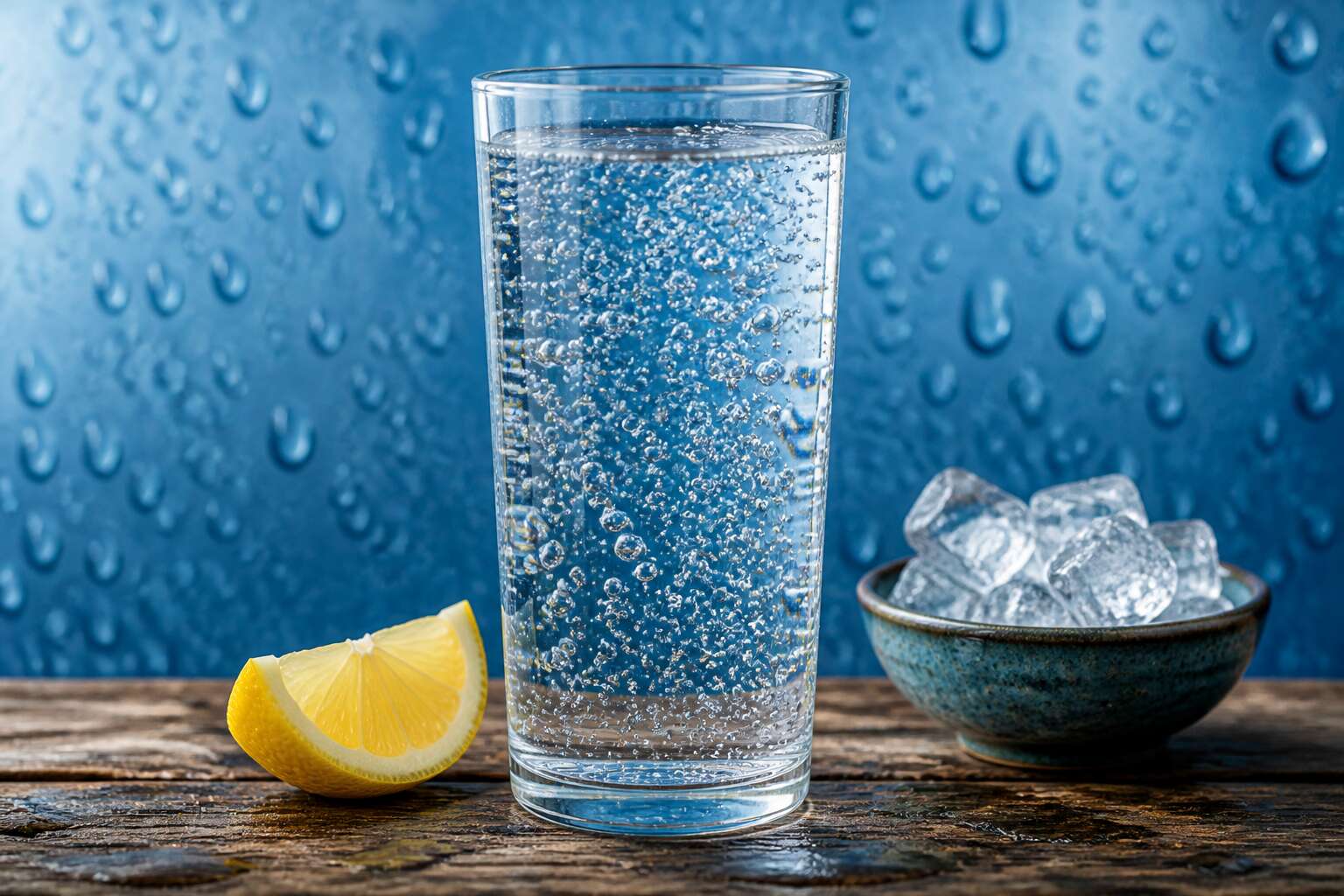
Carbonated water starts as plain water, then gets pressurized with carbon dioxide until it forms bubbles. Those bubbles are dissolved CO2 escaping when pressure drops. No secret chemistry, no mineral additions, just water with carbonation.
Joseph Priestley first made it in 1767. He suspended a bowl of water over a beer vat, and the water absorbed CO2. That accident gave humanity a way to feel sophisticated while drinking essentially unchanged H2O. I find that deeply entertaining!
- The carbonation raises the acidity slightly
- Your kidneys handle the shift without any fuss
- The bubbles dissolve and leave nothing behind
On sparkling water and kidneys, the relationship is almost boring. Your kidneys filter the water, balance the mild acidity, and move on. The fizz never reaches your organs in bubble form, which disappoints certain science fiction readers.
Common Types of Sparkling Beverages
Ordering sparkling water at a Johannesburg restaurant reveals your social pretensions. The type you choose matters. The bubbles are neutral, but the bottle often carries hidden extras.
Common sparkling beverages fall into distinct categories. Seltzer is pure carbonated water. Soda water adds minerals like sodium bicarbonate. Tonic water includes quinine and sugar. Natural mineral water has its own mineral profile. Flavored sparkling water relies on essences that alter acidity.
- Seltzer: water and CO2
- Soda water: added minerals
- Tonic water: quinine and sweeteners
- Flavored: fruit extracts
Understanding these distinctions matters when considering sparkling water and kidneys. Additives impose a subtle metabolic workload. The real challenge is choosing a beverage that matches your thirst, not your desire for applause.
Mineral Content and pH Levels
Water is rarely neutral! Dissolved carbon dioxide forms carbonic acid, dropping pH to 4 or 5 in most sparkling waters. That acidity is mild, yet it matters. Your kidneys adjust constantly, filtering and excreting to restore balance. This is the core of sparkling water and kidneys. Minerals alter the effect. Bicarbonate raises pH, calcium adds alkalinity, and sodium changes fluid retention. Most labels show calcium and magnesium but hide bicarbonate. I have seen this omission across South African brands. A sparkling water in Johannesburg might carry more sodium than the same brand in Durban.
Consider the mineral lineup:
- Bicarbonate buffers carbonic acid
- Calcium and magnesium lift pH
- Sodium adds renal workload
The pH reading alone misleads. Sparkling water and kidneys interact through every dissolved element, and that interplay defines the true effect.
How Carbonation Affects the Body
Carbonation’s journey does not end at the swallow. Inside the stomach, the dissolved gas expands. Pressure builds, and burping offers one release. The remainder crosses the gut lining and enters the bloodstream as carbon dioxide.
The body responds with precision. Blood pH stays stable because the lungs expel gas and the kidneys adjust electrolytes. This partnership defines the renal role in fizz. Sparkling water and kidneys interact through a chemical exchange: the kidneys filter, reabsorb, and excrete to keep bicarbonate levels in check.
Consider what happens with each glass:
- Gas expansion triggers stomach distension
- Carbon dioxide diffuses into capillaries
- Renal tubules process the added bicarbonate load
A healthy pair of kidneys clears this burden with ease. The process is constant until renal function falters. Then the same sparkling water and kidneys relationship becomes a matter of clinical attention.
Hydration and Kidney Function
The Role of Water in Renal Filtration
Every day, your kidneys filter roughly 180 litres of blood plasma, a silent process of pressure and permeability. Each nephron relies on a steady water supply to maintain osmotic gradients that drive waste out and keep essential solutes in. Without enough hydration, glomerular filtration slows, and urea accumulates in the bloodstream.
Regarding sparkling water and kidneys, the truth is less ominous than many presume. Carbonation does not alter water’s fundamental role; it remains a means of renal clearance. I have seen patients who shun plain water but happily consume sparkling, with no penalty from the bubbles!
- Water volume sustains arterial pressure, which powers the glomerulus.
- It ensures the medullary gradient remains steep.
- It flushes dissolved salts and nitrogenous wastes.
Thus, sparkling water and kidneys can coexist, provided you treat the beverage as hydration. The nephrons respond only to fluid volume, not to effervescence.
Does Carbonated Water Count Toward Daily Fluid Intake?
Most South Africans are advised to consume two to three litres of fluid daily. The question of whether carbonation disqualifies a glass still lingers. Carbonated water hydrates exactly like still water. Your kidneys register volume, not effervescence.
One patient asked if she was cheating by swapping plain water for sparkling. I laughed and said her nephrons were not judging the fizz! The renal system converts all fluids into the same plasma water. When you meet your intake targets, sparkling water and kidneys coexist without penalty.
Effects on Urine Volume and Kidney Workload
When hydration increases, urine volume follows suit. This is not a flaw in design; it is the renal system performing its expected duties. A well hydrated kidney filters blood steadily and produces pale urine without strain. The workload stays consistent because water, still or sparkling, arrives as plasma water.
- More fluid means more filtrate, but the tubules reabsorb what the body needs.
- Sparkling water and kidneys operate well together when intake is spread across the day.
Carbon dioxide gas exits through the lungs, not the nephrons. Your kidneys never register the bubbles. They track volume and electrolyte balance. So when you reach for a chilled sparkling water, the nephrons process it exactly as they would still water, with no extra effort required.
Comparison with Still Water for Hydration
Each day, the adult kidney filters about 180 litres of plasma. That volume does not change when carbon dioxide bubbles dissolve into the bloodstream. The interaction between sparkling water and kidneys is a matter of plasma volume and solute concentration, not gas.
Still water and sparkling water enter the gut through identical absorption pathways. The nephrons cannot distinguish them. Carbonation does not instruct the tubules to reabsorb more sodium or potassium. For hydration, the two liquids behave identically.
- Renal water reabsorption follows plasma osmolality.
- Antidiuretic hormone responds to solute balance, not to bubbles.
- Daily fluid intake determines hydration status, not the presence of carbonation.
Impact on Blood Pressure and Kidney Perfusion
Blood pressure and kidney perfusion depend on adequate fluid volume. When hydration status falls, plasma volume shrinks, and the kidneys receive less blood. The body responds by releasing renin, which raises blood pressure while increasing strain on renal tissue.
Consistent fluid intake keeps arterial pressure stable enough for the glomeruli to operate at a healthy rate. The relationship between sparkling water and kidneys remains the same; carbonation changes nothing about how the body manages water. I rarely see this point discussed clearly. Low intake forces the kidneys to concentrate urine, which increases workload.
Sparkling water contributes to the total fluid intake that supports stable perfusion across the nephron network. Choosing it over still water does not alter blood pressure regulation or renal blood flow.
Potential Concerns of Carbonated Beverages
Phosphoric Acid and Kidney Stone Risk
Few drinkers check the acid profile of their fizzy drinks. Phosphoric acid sits in most dark colas, and it behaves very differently from the gentle carbonic acid in sparkling water. This distinction changes kidney stone risk entirely!
The concern is specific:
- Cola beverages list phosphoric acid on their labels
- Clear carbonated drinks rely on citric acid instead
- Sparkling mineral water contains neither
Research shows that phosphoric acid increases calcium excretion through urine. More calcium in the urine means more work for the kidneys and a higher chance of stone formation. I have seen patients swap cola for sparkling water and watch their repeat stone episodes drop. Plain sparkling water and kidneys get along fine. Carbonation alone does not create stones. For South Africans who drink cola daily, the acid type is what matters, and phosphoric acid is the problem.
Sodium Content in Flavored Sparkling Water
Flavored sparkling water often hides sodium. A single can can contain 75 milligrams or more. For someone with reduced kidney function, that sodium adds up quickly. The kidneys regulate sodium balance, and excess sodium forces them to work harder. When considering sparkling water and kidneys, the unflavored versions remain the safest choice. But flavored options require scrutiny. Here is what to check on the label:
- Sodium content per serving
- Other electrolytes or additives
- Natural or artificial flavorings
Many brands market themselves as healthy, yet the sodium profile tells a different story. I have seen patients assume all sparkling water is equal. It is not. Plain sparkling water and kidneys interact without issue, but flavored varieties can introduce an unnecessary load. The mineral composition varies widely. Some flavored drinks contain added salts for taste, which undermines the hydration benefit. A mindful drinker reads the back panel, not the front label.
Citric Acid vs. Calcium Oxalate Stones
Citric acid appears in many sparkling beverages, yet its role in kidney health is subtle. For most people, citric acid binds calcium in the urine, lowering the risk of calcium oxalate stones. But the balance depends on the drink’s full mineral profile. Some carbonated waters rely on citric acid for tartness, which shifts pH. A more acidic urine can encourage stone formation in certain individuals. The relationship between sparkling water and kidneys is not uniform. It changes with each ingredient. Consider this list:
- Calcium content in the drink
- Oxalate levels in your diet
- Baseline urine pH
Read those factors before assuming a beverage is safe. The same product that protects one person may burden another. So when examining sparkling water and kidneys, treat citric acid as a variable, not a constant.
Sugar and Artificial Sweeteners in Certain Brands
One in seven South African adults lives with chronic kidney disease, yet most flavored sparkling waters hide a less obvious threat. Many brands sweeten their bubbles with sugar or artificial substitutes. Sugar drives insulin spikes and uric acid production, both of which increase renal workload. Artificial sweeteners, though calorie free, may disrupt gut bacteria and alter glucose handling. The relationship between sparkling water and kidneys shifts when sweetness enters the picture.
Consider these hidden risks:
- Sugar raises urinary calcium excretion, a factor in stone formation.
- Artificial sweeteners may trigger inflammatory responses in sensitive individuals.
I always check labels for hidden sweeteners! Even zero sugar options often contain aspartame or sucralose. For someone with existing renal issues, these additives create unnecessary stress.
Bone Health and Indirect Kidney Effects
Some researchers have probed whether carbonation leaches calcium from bone. The evidence remains thin, yet the concern persists. A loss of bone density would deposit surplus calcium into the bloodstream. That calcium must pass through the renal system. For kidneys already labouring under high filtration pressure, the added mineral load becomes an indirect penalty.
The carbonation itself is rarely the culprit. The real question is what else sits inside the can. Plain sparkling water avoids the additives that alter calcium handling, but other carbonated beverages introduce substances that change how the body retains minerals.
Consider the indirect route:
– Healthy bone mineral balance keeps urinary calcium steady.
– Any factor that raises urinary calcium forces the kidneys to work harder.
– Over time, excess calcium in the filtrate can tip toward stone formation.
This is why sparkling water and kidneys interact differently depending on the drink’s full composition.
Best Practices for Kidney Health
Choosing the Right Sparkling Water
Selecting sparkling water for renal health demands attention to hidden ingredients. Flavoured options often contain sodium that taxes kidney filtration. Phosphoric acid, present in some carbonated drinks, increases the workload on nephrons. Plain varieties with minimal mineral additives remain the most reliable choice.
- Check sodium levels per litre
- Choose unsweetened, unflavoured sparkling water
- Verify the pH level is near neutral
Sparkling water and kidneys share a clinical connection. For South African consumers, local brands vary widely in electrolyte profiles. Carbonation itself passes without renal harm, yet additives like citric acid can alter stone risk. Reading labels with precision protects your renal future.
Balancing with Plain Water Intake
Plain water remains the baseline for renal maintenance. Sparkling water and kidneys interact safely when consumption stays moderate, but plain water carries no carbonic acid load at all. In South Africa’s warm climate, hydration needs shift daily. I recommend a simple ratio: two glasses of still water for every sparkling serving.
- Start the day with plain water before any sparkling beverage
- Use sparkling water only between meals, not with medication
- Keep a still water bottle nearby as your primary source
Your nephrons process dissolved minerals, not bubbles. Carbonation disappears quickly, yet the mineral residue lingers. That residue demands water for dilution. Balance protects filtration pressure. This rhythm lets sparkling water and kidneys coexist without forcing the renal system into constant adaptation.
Reading Nutrition Labels Carefully
Reading the nutrition label on a sparkling water bottle is a quiet act of renal self defense. The front label promises crisp refreshment. The back panel discloses what your kidneys will actually process. This matters for sparkling water and kidneys because label math rarely matches drinking behavior.
Most bottles claim two servings per container. Nobody stops at half a bottle. The cumulative mineral load doubles when you finish the whole thing. Serving sizes, potassium sorbate, “natural flavors.” Each line item adds a small filtration task for your nephrons.
Labels in South Africa follow strict regulations, but the details still reward attention. Treat the fine print as part of the beverage itself.
When to Avoid Sparkling Water (CKD and Dialysis)
When chronic kidney disease reaches stage four or five, the question of carbonation shifts from preference to protocol. Sparkling water and kidneys negotiate a different balance when filtration rates fall. The same minerals that appeared benign on a healthy panel now demand vigilance. Dialysis patients often receive specific fluid restrictions, and every bottle of sparkling water counts toward that allowance.
- Check potassium and phosphate levels on the label, not just the front claim
- Measure the actual volume you pour, since bottles rarely hold a single serving
- Confirm your daily fluid limit with your clinician before adding any sparkling option
Phosphoric acid in certain cola-style sparkling drinks can strain already compromised kidneys. Citrus based flavours pose less risk, but still carry potassium. For those on dialysis, still water remains the clinical default. Sparkling water and kidneys can coexist only when the patient understands the full mineral load of each sip.
Alternative Flavorings Without Added Acids
Acid hides in most flavored sparkling drinks. For anyone tracking sparkling water and kidneys, the real challenge is flavor without chemical additives. Citrus wedges seem harmless, yet they carry organic acids that alter urine chemistry. Steeping herbs provides a cleaner alternative. A bottle of plain carbonated water with bruised mint leaves stays cold overnight. The taste infuses deeply without acid or potassium.
Good flavor sources include:
- Fresh mint or basil leaves
- Thin cucumber ribbons
- Frozen berry pieces, not juice
- One strip of orange zest
- Crushed lemongrass stalks
Rooibos concentrate, brewed strong and unsweetened, brings warmth and body. These choices keep the mineral load modest while preserving the ritual of a cold, fizzy drink. The kidneys carry less strain.
Consulting a Nephrologist for Personal Advice
Kidney function is deeply personal! The same bottle of carbonated water that suits one person may burden another, and I have watched patients spiral into needless worry about the relationship between sparkling water and kidneys. A nephrologist reads your blood tests, urine albumin, and stone history before offering guidance.
During a consultation, cover these points:
- Your current glomerular filtration rate
- Daily sodium from all liquids, not only meals
- Any prescription diuretics or blood pressure medication
Ask your specialist to review the brand you drink. They can compare its mineral content against your lab results. This granular approach to sparkling water and kidneys matters more than any general rule, and it gives you confidence when you reach for your next bottle.



0 Comments