Factors Influencing the Cost of Carbonated Beverages
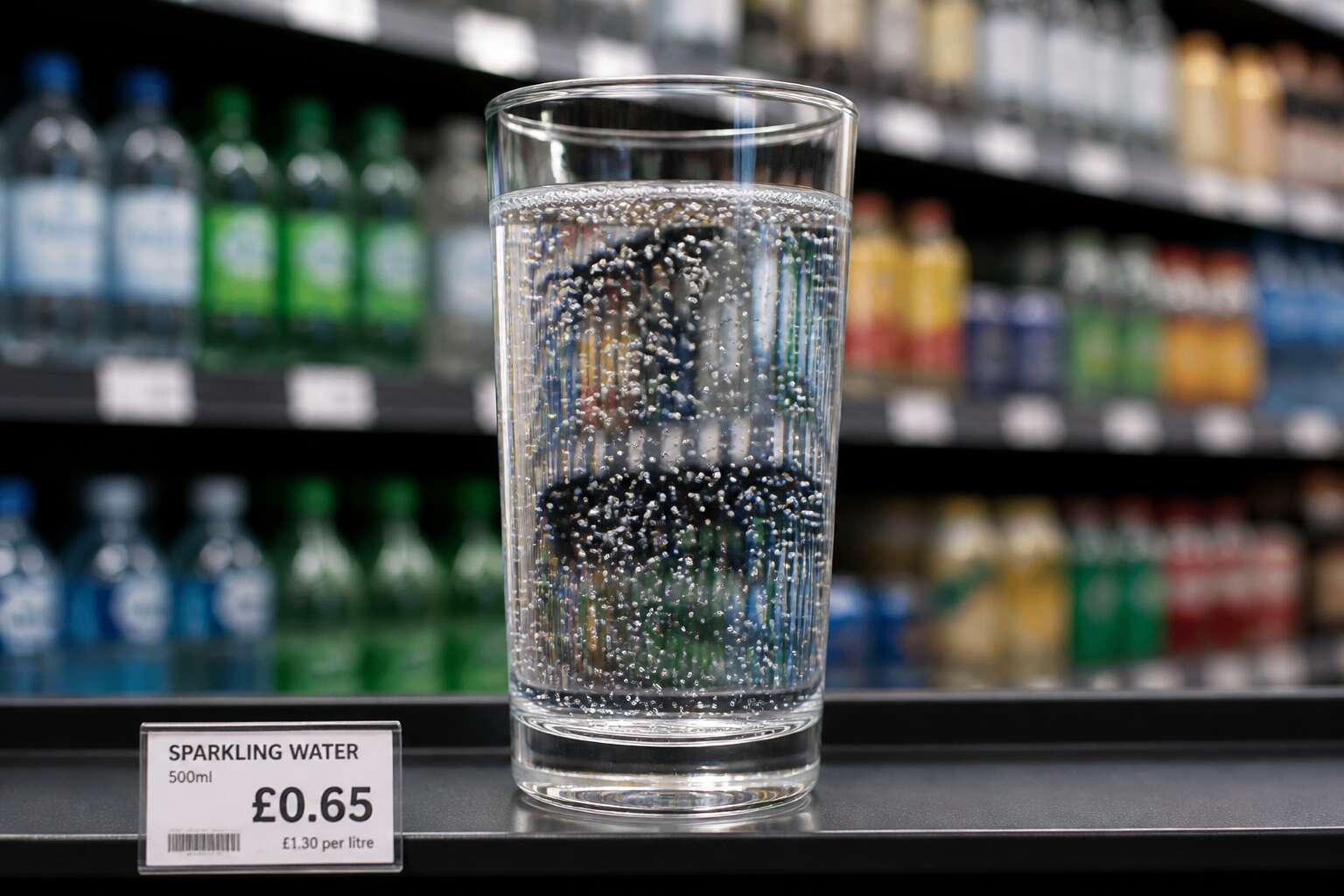
R150 per case for water with bubbles! That figure makes many of us pause. The sparkling water price depends on machinery, transport, and weather more than on the water itself.
The main cost drivers are specific. Consider these three!
- carbon dioxide supply and its refinery costs
- packaging weight plus municipal waste fees
- distance from source to shelf in our hot climate
Each factor affects producers differently. A local brand using recycled glass and a nearby spring can undercut an imported tin, but only when fuel prices remain stable. That’s why the same 330ml can costs R18 in Joburg and R22 in a rural Karoo shop.
Comparing Per-Unit Costs Across Popular Brands
Comparing the per unit price of sparkling water reveals a landscape more varied than the shelf suggests. A 330ml can of an imported brand often costs three times as much per litre as a 2 litre local bottle. The sparkling water price per litre is the only honest metric for this comparison.
Popular options in South Africa include Bonaqua, Valpre, and the Woolworths house label. A typical shelf will look something like this:
- Bonaqua sparkling: R16 per 500ml
- Valpre sparkling: R18 per 660ml
- Woolworths own label: R13 per 1.5 litres
The difference is stark. Bulk packaging delivers the lowest cost, while single serving cans command a serious premium. Understanding the sparkling water price across these brands ensures you pay for carbonation rather than convenience. That distinction matters when the weekly grocery total arrives.
How Packaging Formats Impact Your Total Spend
A single 330ml can of sparkling water can demand three times more per litre than a two litre bottle. That gap quietly drains monthly grocery budgets. The packaging format determines the sparkling water price on every South African shelf, yet few shoppers compare unit costs.
Glass bottles carry a premium, since heavy freight and breakage protections inflate the retail tag. Aluminium cans chill quickly but hold less liquid, pushing the effective price upward. Plastic dominates local aisles because it trims weight and transport expenses.
The quiet math rarely appears on the shelf tag:
- Cans offer portability, yet the litre price climbs sharply.
- Two litre bottles deliver the lowest cost per serving.
- Glass sits at the premium end with no measurable taste benefit.
Your household either finishes a large bottle or lets it go flat, which changes the real spend. The sparkling water price per serving shrinks with volume, but wastage erases that gain. Packaging choice carries more financial weight than brand preference ever will.
Subscription and Bulk Buying Models for Regular Consumers
Bulk buying and subscription models have changed how South Africans pay for their fizz. A monthly delivery of twelve cans can drop the sparkling water price by nearly a quarter compared to buying singles at the till. That is real money!
But subscriptions demand a bit of foresight. You are committing to a set volume, which makes sense for a household that drinks two cans a day. It is a waste if your family suddenly goes cold turkey.
Before you sign up, check a few things:
- Delivery fees can quietly erase your savings.
- Some plans lock you into a 6 month contract.
- Bulk boxes need storage space that kitchens often lack.
The best model is the one you can actually sustain. For my money, a hybrid works best. Buy bulk for the kitchen, use a subscription for the office. Either way, compare the unit cost per litre. That is where the real truth about sparkling water price lives.
Economical Alternatives to Buying Pre-Made Bubbly Drinks
At the till, a single can of imported sparkling water can cost more than a loaf of bread. That stings when the local sparkling water price keeps creeping upward every year. I switched to a countertop carbonator six months ago, and the savings are immediate. For the price of two cartons of pre-made fizz, you can carbonate over sixty litres at home.
If you aren’t ready for that step, the store aisles still offer breathing room. Retailers in South Africa price their own labels well below the glossy imports, often by several rand per litre.
- Use a soda siphon with refillable CO2 canisters
- Buy generic glass bottles and chill them hard before serving
- Stretch a single can over two glasses with a splash of tap water
The habit of convenience is expensive. A little planning turns that daily luxury into a modest line item.
Market Trends Shaping Beverage Affordability in Coming Years
South Africans are feeling the squeeze at the till, and the sparkling water price is no exception. Input costs for glass and transport have climbed steadily, yet local brands are finding ways to hold the line. That resilience matters! I have watched this category shift from a luxury to a daily staple. Affordability is now a pressing concern for many households.
Several forces will define what we pay in the coming years.
- Currency volatility affecting imported flavourings and packaging.
- Energy tariffs that raise production and refrigeration costs.
- Retail consolidation giving buyers more negotiating leverage.
These factors pull in different directions. The sparkling water price may rise, but competition among producers could soften the blow. I expect private labels to expand their footprint, offering simpler options at lower margins. Regional brands are also experimenting with lighter packaging to cut freight costs. This is a story of shifting priorities in a warming market.

0 Comments