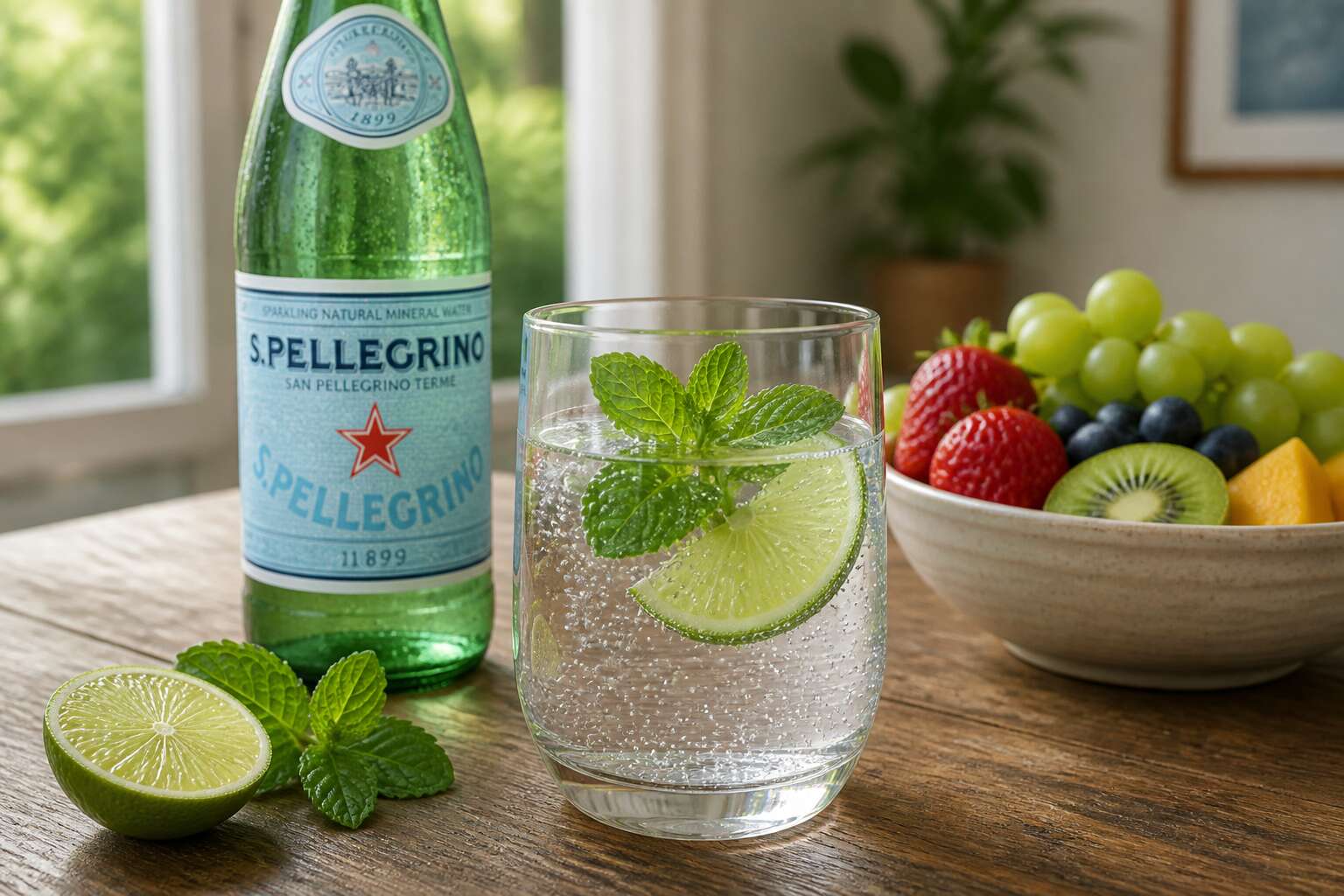
Understanding Why Consumers Are Moving Away from Traditional Fizzy Drinks
Health Concerns Linked to Artificial Sweeteners and Preservatives
Grocery aisles have become places of quiet rebellion. Shoppers read ingredient lists with suspicion, and the fizzy drink category is facing increased scrutiny. Aspartame, sodium benzoate, acesulfame K. These names have entered common vocabulary, though not favourably!
I have watched friends pause, mid-sip, to inspect a can’s fine print. Their unease is reasonable. Research on artificial sweeteners keeps producing unsettling headlines, while preservatives earn their own distrust. Consumers are not merely trading one cola for another. They want relief from unnecessary chemical additives.
This is where a sparkling water substitute enters the conversation. It delivers carbonation without the additive baggage. For South African households, the appeal is straightforward: refreshment that does not require a chemistry degree to parse. The move away from traditional fizzy drinks reflects discernment, not deprivation.
The Environmental Toll of Single-Use Plastic Bottles and Aluminum Cans
Consider the shelf life of a traditional fizzy drink. The beverage vanishes in minutes, but its packaging remains for decades. Plastic bottles travel from hand to roadside, roadside to river, and river to ocean. Aluminium cans, while recyclable in theory, demand substantial energy to produce and reprocess.
This awareness reshapes buying habits. I notice it at dinner parties. A sparkling water substitute allows households to enjoy carbonation without accumulating dozens of disposable containers. Home carbonation devices shift the equation. One machine, one cylinder, and a reusable bottle replace dozens of single-use vessels each month.
Consumers weigh several factors when abandoning traditional fizzy drinks:
- Plastic bottles consume petroleum during manufacture and shed microplastics as they degrade
- Aluminium recycling cannot offset the energy intensity of smelting
- Municipal waste systems struggle to manage beverage container volumes
These considerations influence everyday decisions. A sparkling water substitute appeals to households tallying their weekly waste. Refreshment without permanent consequences suits buyers who prefer their pleasures without lingering effects.
Cost Analysis: How Premium Seltzer Brands Drain Your Monthly Grocery Budget
Premium seltzer carries a hidden surcharge that quietly erodes household budgets. A single 750ml bottle of artisanal sparkling water costs more per litre than petrol. South African consumers who drink two litres daily face a monthly outflow exceeding R1,200. That figure is purely for carbonated water.
A sparkling water substitute, such as a home carbonation system, changes the arithmetic. Tap water passes through a filter, a cylinder injects CO2, and the result costs roughly one tenth of the premium equivalent. Consider the breakdown:
- A premium seltzer bottle at R28 per 750ml
- Home carbonation at R3 per litre after the initial equipment outlay
- Annual savings exceeding R10,000 for regular drinkers
I watch shoppers pause at the till when they tally their fizzy water. The grocery receipt becomes the deciding factor. Flavoured sparkling water rivals the cost of premium gin. A sparkling water substitute turns that recurring expense into a modest utility cost.
Top Store-Bought Carbonated Beverage Alternatives Worth Trying
Kombucha: A Probiotic-Packed Substitute with Natural Fizz
In the quest for a sparkling water substitute, kombucha stands out. Its effervescence arrives naturally from fermentation, offering a tangy complexity that plain seltzers lack. I find that a chilled bottle of raw kombucha adds a pleasant depth to any meal. Beyond this popular beverage, other alternatives deserve attention.
Consider these store-bought options:
- Sparkling herbal teas with botanical infusions
- Fermented cane juice drinks with subtle sweetness
- Carbonated coconut water for a tropical twist
A crisp sparkling rooibos, popular in South Africa, delivers a smooth finish. Fermented cane juice offers a mild bite without added sweetness. Carbonated coconut water brings a saline note that pairs well with citrus! Each beverage provides a distinct texture and intensity, so you can select based on your immediate preference.
Unsweetened Mineral Water: The Original Effervescent Refreshment
Supermarket shelves are crowded with clever blends, but unsweetened mineral water remains the original sparkling water substitute. Its carbonation comes from the earth itself, filtered through rock over decades. That journey delivers a distinct mineral signature. No factory can replicate that profile. Each region, each spring, brings its own balance of calcium, magnesium, and bicarbonates.
In South Africa, local brands bottle this raw effervescence in glass. The bubbles arrive sharp and immediate! They do not fade quickly. They cut through a heavy meal or simply reset a tired palate. I keep a bottle in the fridge at all times. When the craving for fizz hits, it is the purest answer. Everything else layers flavour on top.
Coconut Water with Added Carbonation for Electrolyte Replenishment
One cup of coconut water carries more potassium than a banana. Adding carbonation turns it into a restorative bubbly drink. This is not a sugary soda. It is a genuine sparkling water substitute with a distinct mineral content. The fizz feels softer than mineral water. I keep a few cans in my office fridge for late afternoon slumps.
The electrolyte payoff is real. Sodium and magnesium help rehydrate cells. Plain seltzer cannot offer that. Beware of added sugar. Many brands turn a healthy option into a dessert. Always read the ingredients!
Unsweetened carbonated coconut water should list coconut water and carbonation only. When it comes to electrolyte replenishment, three minerals stand out:
- Potassium for muscle function
- Sodium for fluid balance
- Magnesium for energy recovery
That combination delivers a depth that ordinary sparkling drinks miss. Carbonated coconut water is a smart pick for hydration and fizz.
Low-Sugar Sparkling Teas That Mimic the Mouthfeel of Seltzer
Sparkling teas deliver a carbonation profile that mimics seltzer, but with a tannic edge. The bubbles feel tighter against the tongue, and the finish turns dry rather than neutral. A rooibos-based sparkling brew, for instance, carries earthy notes that plain water cannot replicate. This makes it a compelling sparkling water substitute for those who find seltzer too barren.
Some brands cold steep their leaves to preserve polyphenols, then force carbonation without added syrups. The result is a crisp mouthfeel with a subtle vegetal bitterness. Consider these options:
- Unsweetened sparkling green tea with a hint of lemon peel
- Sparkling honeybush tea, naturally caffeine free
- Jasmine oolong with a soft, floral fizz
The carbonation in these drinks often comes from a fine, persistent stream of CO2, not harsh bursts. I find them ideal for evenings when a cold sparkling water substitute needs to feel more substantial. The flavour depth changes as the can warms, revealing layers that seltzer lacks. For South African readers, local rooibos and honeybush versions are especially worth exploring, since they support regional farmers while offering a genuinely different drinking experience.
Zero-Added-Electrolyte Sports Waters for Post-Workout Hydration
After a punishing training session, plain water often feels insufficient. Your body needs minerals, not sugar. Store bought carbonated waters with electrolytes fill this gap without the cloying sweetness of traditional sports drinks. They deliver sodium, potassium, and magnesium in a format that hydrates faster than still water. The bubbles provide a sensory cue that signals refreshment, which naturally encourages you to drink more.
Consider these shelf stable options for your next shop:
- Unsweetened sparkling water with sea salt and magnesium
- Carbonated mineral water with naturally occurring electrolytes
- Lightly flavored electrolyte sparkling water with no artificial sweeteners
Each offers a distinct mineral profile. Sodium helps retain fluid, while potassium supports muscle function. As a sparkling water substitute, these beverages combine carbonation with functional benefit. Post-workout, the effervescence sits lightly on the stomach, unlike heavy sugary sodas. I reach for these after long runs in the Cape heat because they restore balance without introducing unnecessary additives. The finish is clean, slightly saline, and genuinely satisfying.
DIY Carbonation Solutions for the Home Enthusiast
Choosing Between Countertop Sparkling Water Makers and Soda Siphons
Home carbonation appeals to those who value direct control. A countertop maker delivers rapid, consistent bubbles with the press of a lever. A soda siphon demands more patience: you must chill the water fully, then screw in a CO2 cartridge and release the pressure carefully.
Consider how each fits your daily rhythm.
- Countertop units occupy permanent counter space.
- Soda siphons require no electricity and travel well.
- CO2 refills for both are commonly available through local gas suppliers.
The siphon produces a softer, more delicate fizz; the countertop machine offers repeatable intensity. Whichever you choose, the result is a sparkling water substitute that bends to your schedule and your taste. I prefer the siphon for evening use, when a gentle fizz feels more contemplative. For many households, owning the carbonation step transforms plain municipal water into a daily pleasure, minus the landfill burden and the constant shopping trips.
How to Carbonate Tap Water and Filtered Water at Home
The tap water in Johannesburg carries a mineral hardness. DIY carbonation turns this mundane utility into a private experiment. You buy a regulator, a cylinder of food grade CO2, and a plastic bottle with a carbonation cap. The process demands patience. Fill the bottle with chilled filtered water, pressurize to 40 psi, shake, then release. The hiss of escaping gas announces the transformation. A DIY setup yields a sparkling water substitute that rivals commercial brands at a fraction of the cost. The real thrill is control. You can dial the fizz level from low to high. Before you begin, check your equipment:
- Pressure gauge accuracy
- Bottle integrity for reuse
- CO2 purity for food use
Each batch fails or succeeds based on temperature. Warm water refuses to hold gas. Cold water absorbs it greedily. A sparkling water substitute born from your own cylinder becomes a daily ritual, not a purchase.
Using Fermentation to Create Naturally Effervescent Probiotic Drinks
Fermentation offers a slower route to effervescence, one that bypasses cylinders entirely. A ginger beer plant, fed daily with sugar and spice, produces a living culture that carbonates its own brew. I have found that water kefir grains convert sucrose into a delicate fizz over 48 hours. These probiotic drinks carry a tart complexity that a commercial sparkling water substitute cannot replicate.
- Ambient temperature dictates fermentation speed
- Sugar source affects mineral nutrition
- Bottle pressure tolerance influences carbonation level
The outcome is a functional beverage with living organisms. The effervescence emerges from metabolic activity, a byproduct of microbial life. For the home enthusiast in Johannesburg, this transforms a basic kitchen chore into an ongoing experiment.
Refillable CO2 Canisters: Are They Worth the Upfront Investment
A single 5-kilogram CO2 cylinder holds enough gas to carbonate several hundred liters of water. That fact changes the math on refillable canisters. The upfront spend on a regulator and a steel cylinder feels heavy next to a soda siphon, yet the per-liter cost drops sharply for regular drinkers in South Africa. Refills at homebrew supply stores cost a fraction of buying small chargers.
I prefer the refillable route for the consistency it delivers. Pressure remains steady from the first glass to the last, and you can carbonate directly in a bottle or adjust the stream. For a sparkling water substitute that skips single-use cartridges, the refillable system is the most economical choice.
- Valve threading between brands varies
- Food-grade certification matters for clean taste
- Cylinder exchange programs reduce the initial barrier
The rand outlay hurts the budget in week one, not month six. A household that drinks seltzer nightly will find the refillable setup outperforms every packaged sparkling water substitute on the shelf.
The Art of Forcing Carbonation in Large Batches with Keg Systems
Home enthusiasts in South Africa who want a serious sparkling water substitute often graduate to keg systems. A cornelius keg holds nineteen liters, enough for a week of fizzy water for the whole household. The carbonation process is straightforward but demands attention to temperature and pressure.
Chilled water absorbs CO2 far more efficiently. Set the regulator to around forty psi for twenty-four hours, then bleed the headspace and drop to serving pressure. The result is a crisp, consistent fizz that bottled options rarely match!
Key elements to get right:
- A cornelius keg with food-grade seals
- A dual-gauge regulator for fine pressure control
- A short liquid line for clean pours
- Cold storage, ideally below four degrees Celsius
The technique rewards patience. Rushing the carbonation yields coarse bubbles and a sharp bite, while a slow, cold force produces a smooth texture that makes this an excellent sparkling water substitute for regular entertaining.
Safety Tips for Homemade Carbonation: Pressure Levels and Bottle Selection
DIY carbonation opens the door to a custom sparkling water substitute, but it also introduces real risks. The most common failure point is using the wrong bottle. Standard glass bottles, like those from reused beer or wine, are not rated for the pressure required to dissolve CO2 into water. You need bottles designed for carbonation, typically rated for at least three to four volumes of CO2.
Pressure levels matter just as much. At room temperature, carbonating water requires roughly fifty to sixty psi to achieve a decent fizz. Exceeding that without proper equipment can turn a bottle into a projectile. I have seen people push past eighty psi and wonder why their rig leaks.
- Use PET bottles with a carbonation rating
- Keep the water chilled below four degrees to reduce pressure needs
- Never refill disposable plastic soda bottles past their intended use
A regulator with a pressure release valve is non-negotiable for this sparkling water substitute path. Without one, you are guessing, and guessing has consequences.
Natural Flavor Infusion Techniques to Replace Store-Bought Additives
Fresh Citrus Zest and Juice Combinations That Elevate Plain Fizz
The ritual of twisting a lemon’s peel over a glass of plain carbonated water releases volatile oils that no bottled additive can replicate. Citrus zest carries aromatic compounds that dissolve into the bubbles, creating a perfumed layer juice alone cannot achieve. What a difference a single twist makes!
Zest delivers the essential oils. Juice provides the acidic body, the mouthwatering tang. Together, they produce a spectrum that store-bought essences approximate but never truly match. The variations:
- Grapefruit offers a bitterness that cuts through the fizz
- Lime adds a sharp, aggressive brightness
- Naartjie brings a sweetness with a subtle spice note
- Yuzu, where obtainable, delivers a complex floral tang
For anyone seeking a sparkling water substitute, this technique becomes a quiet act of ownership. The carbonation no longer demands masking. The satisfaction lies in precision, in recognising the point where the water has reached its full expression.
Muddled Berries and Herbs for a Sugar-Free Flavor Punch
The muddler does the work. Fresh berries, bruised at the bottom of a glass, release their dark juices into the carbonated water. Press blackberries or raspberries against the glass with a wooden muddler, then add herbs like mint or rosemary. The oils from the herbs bind with the fruit acids, creating a layered flavour that no bottled essence can imitate.
This method serves as a sparkling water substitute for those who want depth without sugar. The berries provide natural sweetness, while the herbs add an aromatic bite. The result feels deliberate, almost ceremonial.
Some pairings to consider:
- Blackberry and thyme
- Strawberry and basil
- Raspberry and mint
Each combination produces a different character. The water carries the fruit’s essence without syrups or preservatives. No plastic bottles required.
Cucumber and Mint Infusions for a Spa-Like Hydration Experience
Cucumber and mint infusions belong in your glass. No spa appointment required. The process is absurdly simple: peel strips of cucumber, bruise a few mint leaves, drop them into chilled sparkling water. Wait fifteen minutes. The water picks up the cucumber’s grassy sweetness and the mint’s cooling tingle without any syrup.
The result is a sparkling water substitute that costs under a rand per serve. Cucumber acts as a natural electrolyte source, while mint settles the stomach. Store-bought cucumber-flavoured sodas rely on synthetic additives to imitate what fresh produce does better.
For a bolder take, try these infusions:
- Thin ribbons of cucumber with lime zest
- Muddled mint with a pinch of salt
- Cucumber juice ice cubes that melt slowly into the fizz
Each version changes the character of your seltzer. I keep a jug in the fridge all summer. If you need a sparkling water substitute that outdoes any premium can, this one delivers. The flavours stay sharp without turning bitter. That is the real trick.
Spice-Infused Syrups Made with Stevia or Monk Fruit
Most flavored sparkling waters rely on chemical esters that mimic spice. Homemade spice-infused syrups skip the laboratory entirely. Simmer cinnamon sticks, cardamom pods, or grated ginger in water. Strain, then sweeten with stevia or monk fruit. The concentrate transforms plain seltzer into a spicy sparkling water substitute that costs less than a can of soda.
I prefer monk fruit for its clean finish. Stevia can carry a bitter tail, but a pinch of salt masks it. Store the syrup in a glass bottle. It keeps for two weeks!
For quick variations:
- Star anise and orange peel with monk fruit
- Fresh turmeric and black pepper with stevia
- Vanilla bean and clove, lightly sweetened
These syrups replace store-bought additives with whole ingredients. A single batch changes the character of your fizz without preservatives.
Cold-Brewed Tea Concentrates to Blend with Carbonated Water
Cold brewing takes patience. It extracts the aromatic oils from tea leaves without the bitterness that hot water releases. The resulting concentrate stores well in the fridge. When you pour it over carbonated water, you get a sparkling water substitute with real dimension. No syrup, no processing, just leaves and time.
Rooibos is a South African classic. Its natural sweetness pairs with lime or orange slices. Oolong and jasmine also work well. Here is how I assemble my batches:
- Add ten grams of loose leaf tea to a litre of cold water.
- Leave it in the fridge for eight to twelve hours.
- Strain and store the concentrate in a sealed jar.
Blend one part tea to three parts soda water. You get an effervescent drink that costs almost nothing. The tea leaves carry the flavour, so your glass stays clear and clean.
Edible Flower Petals and Lavender for Aromatic Complexity
Most people overlook flowers when crafting a sparkling water substitute. I did too, until I tried lavender. The petals carry essential oils that release their aromatic complexity directly into cold water. No heat required, no steeping bags, just patience. Edible petals like rose, chamomile, and hibiscus each create a distinct flavor profile. Lavender leans toward herbal calm, while rose adds a soft floral note.
Here is a simple infusion method:
Add two tablespoons of dried edible flowers to one litre of filtered water.
Shake gently and let it rest for two hours.
Strain the liquid and keep it chilled.
Pour over ice and top with carbonated water. This sparkling water substitute costs almost nothing. A small pinch goes far, because the flowers intensify once fizz is added. The result is a clean, fragrant drink with zero additives.
Budget-Friendly and Eco-Conscious Strategies for Long-Term Fizz Consumption
Calculating the Cost Per Liter: Homemade vs. Retail Sparkling Water
In South Africa, retail sparkling water costs between R25 and R40 per liter at major grocery chains. A home carbonation system, by contrast, produces the same volume for roughly R4 to R6 when you factor in filtered tap water, CO2 refills, and the amortized equipment cost over three years.
Consider a household consuming two liters daily. At retail prices, that exceeds R2,000 monthly. Homemade carbonation cuts that figure to under R400.
- Retail: R25 to R40 per liter
- Homemade: R4 to R6 per liter
For anyone seeking a sparkling water substitute that aligns with both budget and environmental values, the arithmetic is unambiguous.
Reusable Glass Bottles and Caps Designed for Carbonation Retention
For anyone building a home carbonation ritual, the vessel matters as much as the gas. A proper glass bottle with a ceramic or stainless flip-top cap retains pressure longer, keeping your sparkling water substitute lively for days rather than hours. I have watched cheap plastic bottles go flat overnight; a good glass system holds steady.
Look for bottles with thick walls and replaceable PTFE gaskets. The gasket creates the seal, and the wire bail keeps it secure. In South Africa, these are available from restaurant supply shops or online retailers without much effort.
- Ceramic or stainless caps with rubber gaskets
- Interchangeable gaskets sold separately
- Varied sizes for single servings or large batches
Reusing the same bottles for years reduces both waste and expense. That is the real gain of a durable sparkling water substitute system. The fizz stays, the landfill stays emptier, and your monthly budget remains predictable.
Bulk-Buying Citric Acid and Flavor Extracts to Cut Down on Waste
Bulk buying citric acid and flavor extracts is the quiet engine of a low waste sparkling water substitute routine. A single kilogram of food grade citric acid outlasts dozens of small sachets, and concentrated extracts in refillable glass bottles eliminate the steady stream of plastic packaging.
- Order citric acid in 1 kg or 5 kg quantities from local baking suppliers.
- Choose flavor extracts sold in amber glass with dropper tops for precise dosing.
This shift reduces shipping emissions per unit and keeps your pantry organized. The upfront outlay is modest, but the monthly savings accumulate. With fewer trips to the store and less packaging to discard, your homemade fizz becomes a genuinely sustainable habit. The sparkling water substitute you craft at home stays lively, flavorful, and kind to the planet.
How to Build a Monthly Zero-Waste Fizzy Drink Station at Home
Building a monthly zero-waste fizzy drink station transforms your kitchen into a self sustaining hub. The average household spends R300 each month on bottled fizz, yet a dedicated countertop setup cuts that to a fraction of the cost. Invest in a durable soda maker and a stack of glass bottles designed for carbonation retention. Keep reusable caps and a narrow funnel within easy reach for rapid refills.
Your monthly routine becomes a simple cycle. Test carbonation levels every week to maintain consistent pressure, then refresh your infusions with seasonal fruits or herbs. For clear organisation, follow this sequence:
– Allocate one shelf for CO2 canisters and empty bottles.
– Position a rinse basin beside the station for quick cleaning.
– Label every bottle with its fill date to avoid stale batches.
This station turns your sparkling water substitute into a daily ritual. Long term savings accumulate quietly, and the reduction in plastic waste is measurable. A small upfront investment yields years of reliable, eco conscious fizz.

0 Comments