Market Dynamics and Growth Drivers
Health and Wellness Trends Reshape Consumption
South African consumers are rethinking what they pour into their glasses. The flavored sparkling water market has grown by 18% in the past year, driven by a collective move away from sugary sodas. I see this shift in daily life, from office fridges to braai tables, where bubbly water now sits alongside traditional beverages.
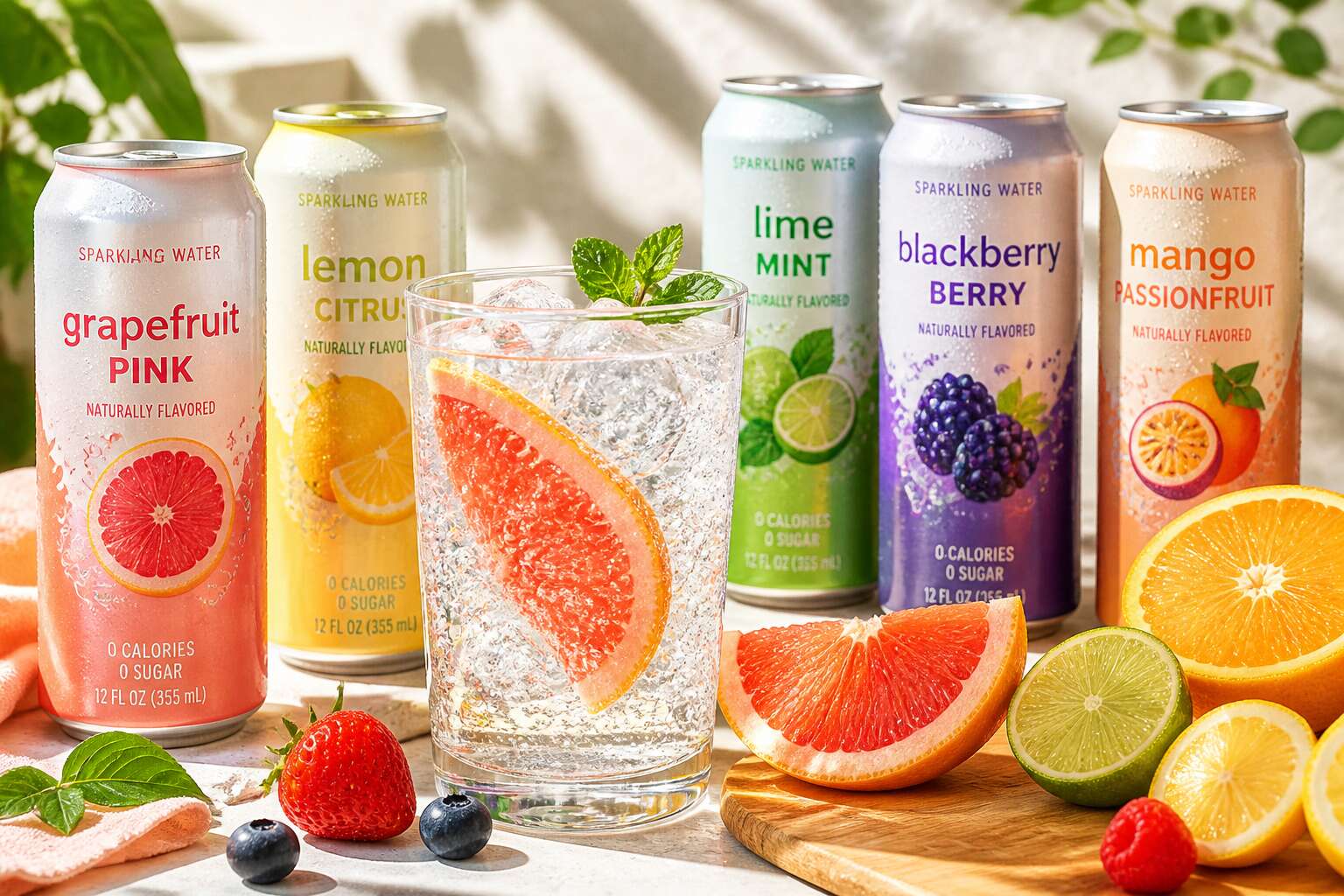
Health and wellness trends are reshaping consumption patterns. People want products that offer taste without compromise. This means familiar flavors like lemon and berry, but also novel options like baobab and rooibos. The category responds by expanding its shelf presence across major retailers.
- Zero calorie options
- Natural fruit extracts
- Low sodium content
These priorities drive innovation in packaging and formulation. Market dynamics favor brands that prioritize transparency over flashy marketing, a lesson not lost on local producers.
The Shift Away from Sugary Carbonated Sodas
The flavored sparkling water market in South Africa has grown while sugary carbonated sodas have continued their slide. Retail scan data from 2024 shows cola and lemonade volumes down 9% year on year. This is not a seasonal wobble! It reflects a permanent shift in how people buy drinks.
Three forces drive this change:
- Disposable incomes strained by high fuel prices
- Municipal water quality reports pushing consumers toward sealed options
- Repeated sugar tax increases that make sodas pricier per litre
The flavored sparkling water market absorbs this pressure and turns it into steady growth across major chains in Gauteng and the Western Cape. I see this every week at the till, where shoppers now reach for a can of sparkling water over a standard soft drink.
Clean Label and Natural Ingredient Expectations
The flavored sparkling water market in South Africa has developed a peculiar dynamic: growth now hinges on what manufacturers leave out, not what they put in. Retailers in Gauteng report that private label sparkling waters gain traction only when the label lists ingredients a consumer can pronounce without a chemistry textbook. This is the clean label expectation, and it is unforgiving.
Natural ingredient claims drive purchasing decisions across age groups. The demand for no artificial sweeteners, no preservatives, and recognizable fruit extracts has reshaped product development cycles. Brands that fail these expectations see inventory stagnate, while transparent formulations earn consistent repeat purchases. Market dynamics reward simplicity.
A quick label scan reveals what shoppers now demand:
– No aspartame or sucralose
– Only natural fruit essences
– Carbonated water with no added sugar
The flavored sparkling water market is effectively a trust exercise, and the consumer is winning.
Influence of Social Media and Lifestyle Branding
The flavored sparkling water market in South Africa is quietly powered by the camera roll. A can that photographs well, a label that matches a neutral toned kitchen, these are the real growth drivers. The beverage now serves a social function. It appears in posts as the mid morning wellness flex or the alcohol free sundowner, always staged, never accidental.
Social media rewards the visible ritual. Influencers do not sell thirst; they sell an identity.
- The glass bottle over the plastic one, always
- Condensation presented as proof of freshness
- The unspoken claim that you have your life in order
This lifestyle branding moves inventory. Gauteng buyers increasingly choose a brand because it appears in a familiar feed, not because of a taste test. The flavored sparkling water market now competes for screen time before shelf space. Growth follows whoever best stages the ordinary.
Product Segmentation and Flavor Innovation
Citrus and Berry Variants as Consumer Favorites
Citrus or berry: that choice splits the flavored sparkling water market into two distinct consumer groups. Lemon, lime, and orange variants deliver bracing acidity, a sharp counterpoint to richer meals or a standalone refreshment. Berry options such as raspberry and blackcurrant offer a softer, sweeter profile that lingers gently. These two families dominate retail shelves for different reasons.
South African sales data shows citrus holding a slight volume lead, yet berry flavours grow faster year on year. This momentum drives innovation in unexpected directions:
- Citrus lines experiment with finger lime and yuzu infusions
- Berry lines blend with rosemary or thyme for savoury depth
- Cross over products combine lemon with strawberry or lime with raspberry
Such segmentation allows brands to target distinct occasions. A crisp grapefruit for an afternoon workout, a dark berry for evening relaxation. The category’s strength lies in precise tailoring of taste to mood.
Exploration of Exotic and Botanical Flavors
One would think the flavored sparkling water market might pause for breath after conquering citrus and berry. It does not. The new frontier is botanical, a realm where hibiscus, elderflower, and even rooibos are elbowing aside traditional fruit profiles. This shift signals a collective fatigue with the obvious; consumers now seek a beverage that performs a subtle olfactory diplomacy.
Consider the current experiments within ingredient labs:
– Cucumber with a whisper of jasmine
– Ginger and lemongrass with a fiery, clean finish
– Rose paired with a tart Cape gooseberry
This segmentation moves beyond mood and into the realm of memory and place. Whereas citrus is a demand for clarity, these botanical infusions offer a form of liquid contemplation. It is less about thirst and more about the narrative of the ingredient itself. The market is effectively teaching palates to read the leaves, one fizz at a time.
Functional Sparkling Waters with Added Vitamins
Product segmentation has reshaped the flavored sparkling water market into something more than a beverage aisle afterthought. Functional sparkling waters with added vitamins now occupy a distinct shelf space, appealing to shoppers who want their fizz to do a little more work. The positioning is practical rather than indulgent.
Common functional additions include:
– Vitamin C for immune support
– B vitamins for energy metabolism
– Electrolytes for post-exercise hydration
– Zinc and magnesium for recovery
These products carry a premium price point because they answer a specific need. A morning can with B12 offers an alternative to coffee. An afternoon electrolyte sparkling water handles the post-gym slump without sugar. The functional segment is outpacing standard flavored options in South African retail, as consumers look for measurable returns from every purchase.
Organic and Unsweetened Offerings
The flavored sparkling water market in South Africa now divides itself by what it leaves out. Organic offerings skip synthetic pesticides and artificial everything, while unsweetened versions strip away even natural sweeteners. This segmentation forces flavor innovation into new territory.
Without sugar or honey to mask imperfections, makers must perfect their botanical infusions. I have tasted lemon verbena blends with a clean, green note. Some brands lean on indigenous rooibos and buchu for a uniquely local character.
- Wild elderflower with a hint of lime
- Raspberry and basil leaf
- Sparkling water infused with cucumber and mint
These unsweetened and organic products hold a smaller slice of the flavored sparkling water market, yet their growth is steady. Shoppers who choose them are not compromising on taste!
Packaging Formats and Portability Trends
The flavored sparkling water market has a packaging identity crisis, and honestly, it is refreshing to watch. The era of the single, lonely aluminium can is fading. South African consumers now see 250ml glass bottles at premium braais and 330ml sleek cans in office fridges. Portability is the new battleground for market share.
Smaller formats dominate, but the real growth is in the resealable 440ml PET bottle for home consumption. This shift is about carbonation retention. Once you crack a can, the fizz is on a timer. The larger bottle suits the local lifestyle of long, slow weekends. The response from manufacturers has been rapid:
– Slim-line cans that fit standard car cup holders
– Multi-packs of 200ml minis aimed at lunchboxes
– Recycled plastic bottles with a matte finish for grip
This focus on size and material is altering the flavored sparkling water market landscape. Branding is no longer just about the label; it is about the ergonomics of the can in your hand. A heavier bottle suggests quality. A noisy can implies freshness. Packaging now communicates the product’s character before the first sip is taken.
Distribution Channels and Market Reach
Supermarkets and Hypermarkets as Primary Sales Venues
Supermarkets and hypermarkets dominate flavored sparkling water sales in South Africa! National chains such as Shoprite, Pick n Pay, and Woolworths determine which brands reach everyday consumers. This concentration means a flavored sparkling water market entrant must secure listings with these retailers to gain real volume.
The retail hierarchy splits into three tiers:
- National supermarket chains, which drive the highest turnover
- Hypermarket formats, which move bulk and family-sized multipacks
- Convenience store franchises, which capture impulse purchases
In-store placement matters as much as the product itself. Brands compete for chilled beverage sections and promotional endcaps. Regional grocers and independent stores offer secondary routes, but their reach stays limited against the major chains.
E-Commerce Growth and Subscription Models
E-commerce is changing the distribution map for the flavored sparkling water market in South Africa. While physical retail remains dominant, a growing number of consumers now order cases through digital storefronts and direct to door delivery services.
Subscription models add a layer of predictability for both buyers and brands. A monthly delivery removes the friction of carrying heavy multipacks from the supermarket. This format also creates a direct data channel, letting producers track flavour preferences and adjust production schedules accordingly.
- Recurring revenue stabilises cash flow for smaller entrants
- Direct customer relationships bypass retail listing barriers
- Bundled trial packs lower the risk for first time buyers
These shifts do not replace the big chains. They create alternative pathways to reach loyal customers.
Convenience Stores and Impulse Purchasing
Convenience stores hold a unique position in the flavored sparkling water market. Their chilled shelves sit directly in the path of daily commuters and lunchtime shoppers. What a difference a cold can makes on a warm afternoon! A single purchase, made on impulse, turns a routine stop into a brand encounter.
Impulse purchasing thrives on availability and visibility. Small formats, clear labels, and strategic placement near counters create immediate decisions. In South Africa, local distribution networks shorten restock times, keeping fridges full.
- Single serve cans dominate cooler space
- Seasonal flavors drive trial purchases
- Summer heat spikes demand dramatically
These patterns extend market reach beyond traditional grocery trips.
Food Service and Hospitality Partnerships
The flavored sparkling water market in South Africa is quietly growing a second pipeline through food service. Hotels and game lodges are curating beverage lists around non-alcoholic experiences. A guest returning from a bush drive wants something crisp and cold, and a citrus-infused sparkling water fits that moment better than a sugary soda!
Distributors serving hospitality operate on different rhythms than retail. They handle bulk deliveries, manage glass bottle returns, and coordinate with chefs who pair specific flavors. I watched a Durban bartender choose lime sparkling water over tonic, a small choice with larger meaning. A rooibos and berry blend might accompany lunch at a Cape Town bistro.
Venues driving this demand:
- Private game reserves stocking mini-bar fridges
- Beachfront cafes swapping imported sodas for local fizz
- Corporate catering services adding premium water options to client events
These partnerships extend the flavored sparkling water market into spaces where consumers are not comparing prices but choosing experiences. Steady, repeatable demand supports local producers.
Regional Insights and Emerging Markets
North America’s Mature and Competitive Landscape
North America’s flavored sparkling water market has evolved into a battleground where scale alone no longer guarantees success. The region generates substantial annual revenue, yet volume growth has plateaued as saturation takes hold. Established beverage giants now face agile challengers who use targeted digital campaigns to capture niche demographics. This hyper-competitive environment has compressed margins, forcing producers to differentiate through novel product attributes rather than aggressive discounting.
Retail shelves in the United States and Canada display an overwhelming breadth of options, which paradoxically complicates consumer choice. A market analyst recently noted that brand loyalty has weakened considerably. Shoppers routinely switch between premium organic lines and value-priced private labels within the same shopping trip. This unpredictable behavior pushes manufacturers to invest heavily in packaging design and in-store visibility to secure fleeting attention.
The battle for distribution space has intensified. Small producers often struggle to secure placement in major grocery chains, while established brands leverage their logistics networks to dominate cold-chain refrigerated sections. Consequently, the competitive tactics have shifted toward strategic partnerships with regional distributors who understand local palates.
Consumer preferences have become more fragmented across the continent, creating distinct sub-markets that demand tailored strategies. For instance, East Coast shoppers show a marked preference for crisp, citrus-forward profiles, while their West Coast counterparts gravitate toward earthy botanical blends. This geographic divergence requires brands to carefully allocate marketing resources.
– Clear label communication remains a decisive factor for purchase consideration
– Functional benefits such as added electrolytes boost shelf appeal among active demographics
– Limited edition seasonal flavors generate urgency and social media buzz
Winning brands have recognized that sustainability claims resonate more strongly in Canada than in many U.S. regions. This regional nuance impacts sourcing decisions and supply chain partnerships. Companies that treat this market as a monolith risk losing traction, especially in urban centers where beverage trends shift rapidly. The only constant here is the relentless pressure to innovate.
European Focus on Premium and Natural Products
Europe’s flavored sparkling water market prizes provenance over price. Shoppers in France and Germany scrutinize labels for regional ingredients and production methods. They will pay more for a bottle with a traceable story. This shifts power toward small batch producers and away from multinational giants.
The market rewards specificity. Spanish consumers seek citrus with bitter orange notes. Scandinavians prefer barely flavored water with mineral accents. Brand success depends on hyper local formulation. European distributors now demand proof of sustainability before listing new products.
– Documentation of regional sourcing
– Verified carbon footprint data
– Evidence of ethical production partnerships
For South African brands, this is an invitation. The European flavored sparkling water market values authenticity that factory scale operations cannot replicate. Honest ingredient sourcing and regional bottling partnerships open the only doors that matter.
Asia-Pacific’s Rapid Urbanization and Beverage Demand
The flavored sparkling water market is in constant motion, and nowhere is that movement more visible than in Asia. As the United Nations projects that 68% of the world’s population will live in urban areas by 2050, the implosion of megacities across the region creates a relentless search for portable refreshment. The Western world sips for wellness, but the East is drinking for status and convenience. The scorching streets of Mumbai and Jakarta demand a product that offers respite; the ubiquitous convenience store has become a sanctuary where daily commuters find a quick, effervescent escape.
This rapid urbanization fundamentally changes consumption patterns. Apartment living in Tokyo and Shanghai leaves no room for heavy grocery hauls, so shoppers gravitate toward single serve bottles that fit in a briefcase or backpack. The flavored sparkling water market in this region is not a footnote, it is a rising behemoth. It is powered by a young, mobile workforce that is curious about flavors and willing to experiment with novel sensations that their parents never knew. The demand is not for the pure and subtle, but for the bold, the juicy, and the distinctly sweet.
The urban consumer deviates from the European palate. They seek a different sensory profile, and international beverage companies are scrambling to adapt their global formulas for local appeal. The winning products are those that feel like an indulgence, not a compromise.
– The rise of the solo dining culture in cities like Seoul creates demand for premium beverages that elevate a quick meal.
– Sulphur-free wines and natural mixers are growing, but low calorie sparkling water is the undisputed king of the office fridge.
– Mass transit systems, from Delhi to Bangkok, are expanding, extending commute times and creating a need for a hydrating companion.
– The intense heat of the equatorial climate makes the chilled glass bottle or can an essential purchase point for the urban pedestrian.
These factors are reshaping distribution networks. The traditional supermarket aisle is less relevant here than the hyper local kiosk and the vending machine. Brands that succeed are those that understand the rhythm of the city, from the morning rush to the late night study sessions. The flavored sparkling water market is responding with intense distribution pushes that prioritize reach over depth.
While consumers in South Africa might debate the provenance of a grapefruit, the Asian city dweller cares about the immediate sensory hit. They want a product that tastes clean but delivers a flavor punch that can cut through the tropical humidity. This is where local ingredients, such as yuzu from Japan or calamansi from the Philippines, become mainstream. The localization of the product is less about production methods and more about flavor architecture that feels culturally familiar yet globally modern.
Untapped Potential in Latin America and the Middle East
Latin America and the Middle East remain peripheral to the flavored sparkling water market, yet their trajectories diverge. In São Paulo and Mexico City, heat and street food culture make carbonated refreshment a daily ritual. Consumers expect pronounced sweetness, so brands must recalibrate formulations away from the restrained profiles favored elsewhere.
The Gulf states operate differently. Hospitality, particularly in Dubai and Doha, drives demand for premium zero calorie options that pair with elaborate dining. Health consciousness is rising among younger demographics, but distribution relies on hotel partnerships and upscale grocers rather than mass retail.
- Latin American consumers prioritize flavor intensity over functional claims.
- Middle Eastern expansion depends on food service alliances.
Both regions reward patient brand building. First movers who localize sourcing, such as regional citrus varieties, will shape the next phase of the flavored sparkling water market.
Challenges, Sustainability, and Future Outlook
Navigating Price Wars and Margin Pressures
Everyone wants a slice of the flavored sparkling water market, which means everyone is slashing prices. Retailers squeeze suppliers, suppliers squeeze ingredient costs, and somewhere the consumer wins with a R10 can that costs more to ship than to make. Sustainability complicates things further. Aluminum cans are infinitely recyclable, but only if they actually make it to recycling plants. In South Africa, municipal infrastructure gaps complicate that. The future outlook for the flavored sparkling water market? Consolidation. Smaller brands will either innovate or evaporate!
Consider the pressures:
– Ingredient cost volatility
– Retailer private label competition
– Recycling logistics inefficiencies
The brands that survive will treat sustainability as a feature, not a marketing line.
Sourcing Constraints and Supply Chain Resilience
One shipment of citrus oil can take forty days to reach a Cape Town bottler, if it arrives at all. Every flavored sparkling water market participant in South Africa knows this delay intimately. Ingredient prices swing with currency shifts, shipping rates, and harvest failures abroad. Local water access faces drought pressure, and imported botanicals carry freight costs that exceed their value.
Sustainability complicates sourcing further. Municipal recycling gaps send cans to landfills, yet environmental commitments remain binding. Supply chain resilience requires deliberate choices:
- Securing multi-region ingredient contracts
- Investing in local extraction partnerships
- Building buffer stock at decentralized warehouses
The flavored sparkling water market will reward brands that embed flexibility into procurement. Smaller players must adapt or exit. The future will favor those who treat sourcing as a discipline, not an afterthought.
Packaging Waste and Environmental Regulations
The shrink sleeve alone costs more than the water inside. A can destined for a Cape Town shelf carries plastic film, adhesive, ink, and a lid that will outlive its consumer. Packaging waste in the flavored sparkling water market has become a grim theatre where brand promise meets municipal reality. South Africa’s recycling rates for aluminium hover near respectable numbers, but the mixed material reality of labels, caps, and shrink wraps sends much of the packaging to landfill. Environmental regulations are tightening. Extended producer responsibility schemes are forcing bottlers to account for every gram of material they push into the world. Compliance now requires monetary commitment, not just a green logo.
– Shrink sleeves and multi-layer laminates are virtually unrecyclable in current municipal systems
– Black plastic, used for some caps, cannot be sorted by optical scanners at local facilities
– Deposit return schemes remain fragmented across provinces
Sustainability has shifted from marketing gloss to operational burden. The aluminium body offers infinite recyclability, yet the economics only work if the collection infrastructure exists. It does not, in many municipalities. The flavored sparkling water market must carry the cost of its own afterlife. Some producers have responded with lightweighting, which reduces material but complicates the recycling process. Others have embraced monomaterial solutions, but these arrive at a premium that distorts margins already squeezed by logistics. Water scarcity and energy costs compound the pressure. Every kilogram of packaging carries embedded carbon, and audits now demand clarity on that embedded debt.
The future outlook for the flavored sparkling water market in South Africa points toward a regulatory landscape with sharper teeth. The proposed amendments to the National Environmental Management: Waste Act signal an era where the producer pays, and pays fully. Landfill taxes are climbing. Consumer scrutiny grows with every viral post about greenwashing in beverage aisles. The sector will sort itself into those who embed environmental accounting into their structural DNA and those who fade beneath the weight of their own packaging. This market will not be defined by its flavours, but by the fate of every empty can left behind.
Forecast for Market Expansion and Innovation Pipelines
The flavored sparkling water market in South Africa faces challenges that extend beyond packaging. Distribution networks struggle with load shedding and cold chain gaps. Retailers demand consistent supply, but producers juggle short shelf lives with seasonal fruit availability.
Sustainability now means scrutinizing water usage per litre and energy intensity. Some manufacturers are investing in solar micro-grids and borehole filtration, yet municipal water quality varies wildly. These operational realities shape the future outlook for market expansion.
- Innovation pipelines focus on drought-tolerant botanicals like rooibos and baobab.
- New carbonation tech reduces water waste during production.
As consumer loyalty shifts to brands with verifiable environmental metrics, we see the flavored sparkling water market rewarding nimble producers who localize sourcing and automate quality control. Growth lies in regional flavours and refillable formats.

0 Comments