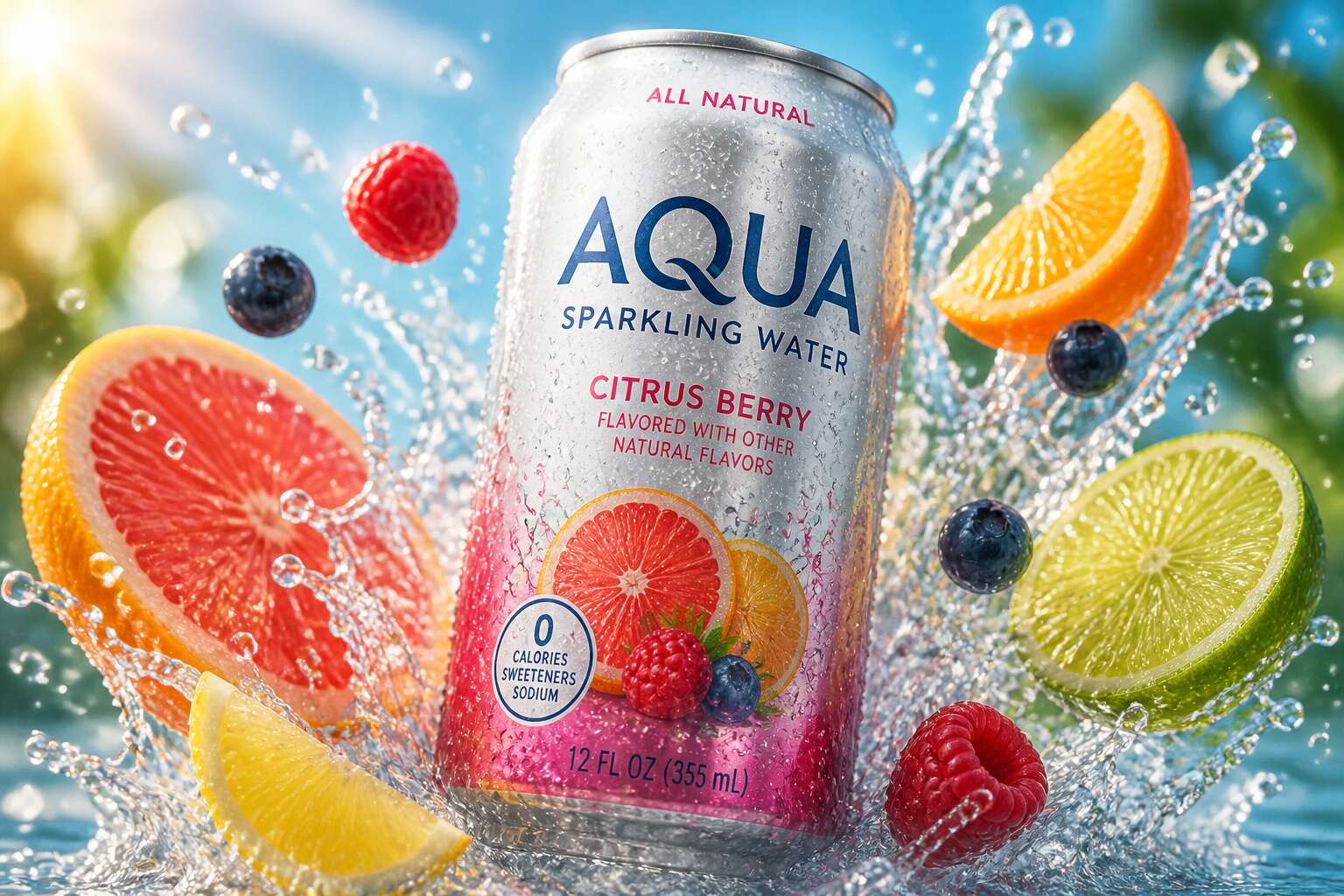
The Rise of Canned Sparkling Water in Modern Beverages
Shifting Consumer Preferences from Plastic Bottles to Cans
Retail data across South Africa shows a 23% annual growth in canned water sales, while plastic bottle volumes stagnate. Consumers are abandoning plastic for the practical integrity of aluminium. A can chills faster, stacks neatly, and protects the delicate carbonation that defines flavoured sparkling water in a can.
The shift involves more than convenience. Cans provide complete light protection, preventing the flavour degradation common in clear plastic. I see shoppers deliberately reaching past rows of PET bottles for a single sleek can. This preference reflects a deeper awareness of packaging, covering environmental impact and taste preservation.
Common advantages of aluminium over plastic:
– Lower carbon footprint per unit
– Infinite recyclability without quality loss
– Superior barrier against oxygen and light
Aluminium now defines the premium segment in beverage aisles from Cape Town to Durban. The packaging revolution is reshaping how South Africans experience sparkling water.
How Aluminium Cans Impact Product Shelf Appeal
The pop of a can opening carries a quiet promise of authenticity. In modern beverage aisles, that sound has become synonymous with craft and quality, a movement led by the rise of canned sparkling water in the modern beverage scene. This is more than a packaging trend; it is a preference for a vessel that respects its contents.
On the shelf, the impact of aluminium is immediate. The matte finish invites touch, while the vibrant digital print turns each can into a small canvas. Against the glare of fluorescent lighting, a can stands out as a deliberate object, a testament to how aluminium cans impact product shelf appeal. They create a visual hierarchy that plastic simply cannot match, drawing the eye with their clean lines and tactile surface.
– Cans offer a 360 degree branding surface, uninterrupted by seams
– The metallic finish signals a chilled refreshment before you even feel the cold
– Their structure allows for intricate texture, from embossing to soft touch coatings
This container serves as a guardian of flavour, shielding every sip from the ravages of light. With flavoured sparkling water in a can, the experience begins before the first taste, a sensory encounter that elevates the ordinary into the memorable. It is a feeling of holding something complete, something perfect in its singular design, a small piece of the dream.
Carbonation Retention and Flavour Preservation in Sealed Cans
Carbonation is restless. It presses against the container walls, always seeking a way out. A sealed can stops this escape entirely. The aluminium barrier offers almost no permeability, a quality plastic does not share. Carbon dioxide migrates through PET bottles at rates several times higher than through aluminium, which explains why canned products keep their sparkle far longer.
Flavour in flavoured sparkling water in a can benefits from the same protection. Citrus oils and berry essences oxidise quickly when oxygen is present. The can’s tight seal and minimal headspace keep oxygen out. What reaches you is exactly what was sealed at the factory, nothing lost along the way.
The sealed environment preserves:
- Aromatic oils that suspend within the liquid
- Delicate fruit esters that carry each distinct profile
- The sharp carbonic acidity of a clean finish
Key Health and Hydration Benefits to Highlight
Zero-Calorie and Sugar-Free Refreshment Options
Here’s a sobering statistic: a 330ml serving of regular cola contains 35 grams of sugar. That is eight teaspoons. Your pancreas did not sign up for that. Flavoured sparkling water in a can offers a different plot entirely. It hydrates without the metabolic chaos.
Water makes up roughly 60% of your body, which is why staying hydrated affects everything from mood to muscle function. When you reach for a zero calorie option, you remove the hidden sugar load. The effervescence encourages drinking, which helps people maintain fluid intake, especially in South Africa’s warmer months.
Consider what you exclude when you choose this product:
- Added sugar
- Artificial sweeteners
- Empty calories
Hydration without these additives means your kidneys do less overtime. Some folks worry about acidity in sparkling water, but the pH is comparable to many fruit juices, without the sugar spike. Flavoured sparkling water in a can satisfies the craving for something interesting while keeping your daily energy balance intact. I have found that a cold can at 3pm beats another coffee, and your sleep schedule will thank you.
Encouraging Higher Daily Water Intake
South Africa’s heat does not negotiate. It demands fluid, and most people respond with coffee or sugary cooldrinks, which pull the body further from true hydration. Flavoured sparkling water in a can changes this pattern. The dissolved carbon dioxide gives each sip a tactile quality that still water cannot offer. That mouthfeel makes the drink feel more like a treat than a medical obligation.
Regular hydration supports several bodily systems:
- Kidney filtration and toxin clearance
- Joint lubrication for easier movement
- Cognitive function and mental alertness
The subtle flavour profiles of flavoured sparkling water in a can remove the monotony that causes people to abandon their water bottles by noon. In a hot climate, the cold aluminium container signals refreshment before the first sip lands. This combination keeps fluid intake steady through the afternoon, when hydration often slips!
Differences Between Naturally Flavoured and Artificial Additives
South Africans consume millions of litres of sugary cooldrinks each year, and those beverages offer almost no nutritional return. A flavoured sparkling water in a can delivers the same effervescence and fruit character without synthetic compounds. The label tells the real story: natural flavours come from fruit extracts or plant essences, while artificial additives use laboratory-created molecules to imitate taste.
Natural formulations provide trace antioxidants and produce a cleaner metabolic response. Artificial versions often depend on sweeteners and preservatives that burden the liver during processing. Regular consumption makes this distinction meaningful.
- Natural flavours maintain steady energy without insulin spikes
- Artificial additives may cause headaches or digestive sensitivity
- Natural extracts contribute subtle phytonutrients to your daily intake
I read every ingredient panel before choosing a flavoured sparkling water in a can. The finest products combine carbonated water, natural essence, and nothing else.
Electrolyte-Enhanced Canned Sparkling Water for Active Lifestyles
After a long trail run in the Gauteng heat, plain water never feels like enough. Your body loses sodium, potassium, and magnesium through sweat, and replacing those requires more than a standard sip. An electrolyte-enhanced flavoured sparkling water in a can bridges that gap, offering taste and mineral support without the sticky residue of sports drinks.
I reach for these cans after cycling or hiking because they hydrate efficiently. The effervescence adds a crisp finish that makes drinking feel less like a chore, and the electrolytes assist with fluid absorption at a cellular level.
- Sodium helps retain the water you consume
- Potassium supports muscle contraction and recovery
- Magnesium aids energy metabolism during exertion
That combination makes a flavoured sparkling water in a can a practical companion for anyone who moves with purpose through demanding days.
Dental and Digestive Considerations for Regular Consumption
An unquenched thirst is a quiet betrayal of the body’s needs, and flavoured sparkling water in a can answers that call with every effervescent mouthful. Yet regular consumption demands a mindful pause. The carbonation introduces carbonic acid, which can soften tooth enamel over time. I moderate my intake and rinse with still water afterward to protect my smile.
For digestion, the bubbles can stimulate gastric juices, aiding some while causing bloating in others. Consider these factors when reaching for another can:
- Wait an hour before brushing after drinking
- Pair with meals to buffer acidity
- Choose unsweetened varieties to minimise dental risk
The balance lies in enjoyment and awareness, letting this drink support daily fluid goals without compromising long-term wellbeing.
Exploring Flavour Profiles and Ingredient Quality
Classic Citrus Offerings with Lemon, Lime, and Grapefruit
Citrus carries the flavoured sparkling water in a can category in South Africa. Lemon, lime, and grapefruit each claim a distinct position, and their separation often comes down to ingredient quality rather than mere fruit variety.
The finest producers start with cold-pressed citrus oils, which preserve the fruit’s aromatic high notes without the bitterness of pith or the heaviness of syrup. Extraction method changes the entire drinking experience.
Consider how each profile behaves:
- Lemon is bright and direct, the clearest note.
- Lime brings a green, grassy acidity that lingers.
- Grapefruit offers a slow-burning bitterness with a floral finish.
Each citrus interacts differently with carbonation. Lemon fades first. Lime keeps its presence longer. Grapefruit changes the entire mouthfeel. I find grapefruit the most demanding of the three, which is why it rewards patient sipping in a well-made flavoured sparkling water in a can.
Berry, Stone Fruit, and Tropical Selections
Berry flavours behave differently in a flavoured sparkling water in a can. They arrive with immediacy. Raspberry snaps, blackberry lingers, and strawberry offers a softer sweetness that dissolves quickly against the bubbles.
Stone fruit selections require patience. Peach and apricot bring a dense, smooth mouthfeel that most people do not expect from carbonation. The fizz cuts through that weight, creating a drinking experience closer to still juice than soda water.
Tropical options demand attention. Mango, passion fruit, and guava each carry a tang that recalls fermentation. They compete with the carbonation rather than complement it. I find this category the hardest to balance.
Here is how the profiles separate:
- Berry: bright, immediate, short finish
- Stone fruit: smooth, textured, lingering
- Tropical: loud, complex, demanding
Botanical and Exotic Flavour Trends in Canned Drinks
The push toward botanical and exotic flavours reveals a quieter truth about what we drink. Elderflower and hibiscus bring a floral bitterness that behaves differently from fruit. They ask you to slow down, to notice how the carbonation changes their texture. Rooibos, native to South Africa, adds an earthy depth that neither sweetens nor masks, but settles, and it works in a flavoured sparkling water in a can.
Ingredient quality becomes the difference between a drink that performs and one that simply exists. The provenance of botanicals matters; a single batch of yuzu can shift the entire profile. I look for brands that disclose their extraction methods, because that determines whether the flavour survives the can!
- Cold pressed citrus oils retain volatile compounds better than heat treated extracts
- Whole botanicals steeped in the water create a more integrated taste
- Regional sourcing, like Western Cape rooibos, adds terroir to a flavoured sparkling water in a can
Decoding Product Labels and Understanding Taste Descriptors
Reading a label on a flavoured sparkling water in a can requires a certain level of suspicion, which is healthy. The phrase ‘natural flavours’ tells you almost nothing. It could mean the juice of a real fruit, or it could mean a chemical reconstruction of that fruit’s aroma. Taste descriptors make matters worse. When a can claims ‘hints of naartjie,’ what exactly is a hint?
Consider what the label omits:
- The extraction method used to capture the flavour
- Whether the flavour compounds dissolved or floated
- The percentage of actual juice, if any
A descriptor like ‘crisp’ or ‘bright’ describes your expectation, not the product. The best guidance remains the ingredient list itself. If you cannot pronounce half of it, your flavoured sparkling water in a can is performing chemistry, not refreshment.
Matching Carbonation Levels to Personal Preference
The carbonation is the first thing you feel, but the flavour is the ghost that lingers long after the sip. In a quality flavoured sparkling water in a can, the profile is defined by the molecular weight of the esters. Heavier compounds sink and cling to the tongue, creating a sustained finish. Lighter terpenes, like those from naartjie peel, evaporate quickly, leaving only a spectral echo.
Matching carbonation levels to personal preference in a flavoured sparkling water in a can is a tactile science. The pressure of the CO2 dictates how the flavour particles interact with your palate. A high-pressure fizz acts as a scrubber, stripping away delicate notes. A softer fizz, around 1.5 volumes, allows the botanical oils to dissolve fully into the liquid.
- Low gas pressure suits delicate botanical and floral infusions, preserving their unstable aroma compounds.
- High gas pressure complements bold citrus profiles, where the bite of carbonation masks any metallic trace from the aluminium.
The choice is not about refreshment alone; it is about aligning the physical sensation of the bubbles with the chemical reality of the ingredients.
Recognising Sweeteners, Preservatives, and Allergen Information
The ingredient panel on a flavoured sparkling water in a can tells the whole truth. Stevia and erythritol appear often, yet their sweetness lingers far too long on the palate. A quality product lists water, carbon dioxide, and natural flavouring, then stops. A longer list invites suspicion.
Flavour profiles expose the real story. Artificial sweeteners leave a metallic residue that buries delicate botanical notes. Preservatives such as potassium benzoate exist to fix production problems, not enhance taste. Allergen information demands equal attention, especially for those sensitive to citrus oils or tree nut extracts.
These red flags warrant extra inspection:
- Chemical names hidden behind the term “natural flavours.”
- Sugar alcohols that disrupt digestion in larger volumes.
Ingredients ultimately decide whether your flavoured sparkling water in a can tastes like a garden or a laboratory.
Packaging Advantages and Environmental Considerations
Aluminium Recyclability and the Circular Economy
Aluminium cans carry a practical advantage. Unlike glass or plastic, they return to the production cycle with minimal quality loss. For flavoured sparkling water in a can, this means the vessel itself supports a cleaner footprint.
Recycling aluminium saves roughly 95% of the energy needed to refine virgin ore. In South Africa, the collection network continues to expand, and deposit refund systems add further momentum. A can tossed into a bin today can reappear as a new can within weeks. That is a powerful return!
- Infinite recyclability without degradation
- Reduced landfill burden
- Lower transport emissions due to lightweight design
This loop is the circular economy in action. Each purchase of flavoured sparkling water in a can nudges the system toward less waste and more reuse.
Comparing Carbon Footprints with Plastic Bottled Water
Plastic bottled water carries a heavier carbon footprint than most consumers realise. Producing PET bottles requires petroleum, and the energy costs of manufacturing and transporting filled plastic bottles remain substantial. Flavoured sparkling water in a can sidesteps much of that burden. Aluminium is lighter than glass, and cans stack efficiently, allowing more product per truckload and fewer trips on the road.
Consider the full lifecycle. Plastic bottles often travel long distances before recycling, and many still end up in landfills or waterways. Cans have established collection networks across South Africa that keep materials circulating.
Several advantages become clear:
- Cans weigh less than glass bottles, reducing fuel consumption during distribution
- Aluminium does not leach microplastics into the beverage
- The sealed environment protects carbonation without extra plastic wrapping
Every purchase of flavoured sparkling water in a can contributes to a measurable reduction in packaging-related emissions.
Insight into Can Liners and BPA-Free Materials
Flavoured sparkling water in a can relies on a subtle engineering feat: the interior liner. These polymer coatings stop the drink from touching raw aluminium. Older liners contained BPA, a chemical that worried consumers. Modern versions are BPA-free, which matters for health and environmental reasons. The liner preserves carbonation and flavour without leaching anything into the water. It also protects the metal from corrosion, extending the can’s usefulness. On the environmental side, BPA-free liners do not contaminate recycling streams. They allow aluminium to be recovered cleanly. One practical detail stands out:
- Look for liners made from acrylic or polyester
- Verify third-party BPA-free certification
- Choose brands that disclose coating ingredients
These choices push the industry forward. I find it reassuring that packaging innovation now matches the beverage’s clean profile. Every can becomes a closed loop, safe for the drinker and the planet.
Space Efficiency and Portability of Canned Formats
One litre of flavoured sparkling water in a can weighs roughly a third less than the same volume in a glass bottle. That difference transforms a trip to the beach or a long hike, where every gram counts.
Canned formats stack without wasted air between cylinders. Retailers fit more product into the same chilled shelf, and delivery trucks burn less fuel per unit. Space efficiency becomes an environmental asset before the first sip.
- Compact dimensions fit narrow cup holders
- Lightweight bodies ease bulk purchasing
- Stackable curves simplify pantry organisation
Portability reshapes how often you reach for something hydrating, whether you are moving between home, office, or the open road. The can disappears into your bag and appears exactly when thirst arrives.
Creative Ways to Enjoy Canned Sparkling Water at Home
Simple Garnish Ideas to Enhance Aroma and Visual Appeal
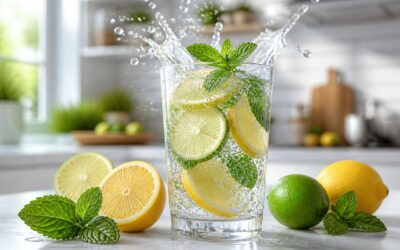
In the humid Cape Town summer, flavoured sparkling water in a can becomes a small ritual. Pour it over a tall glass packed with ice, then pause before the first sip. A twist of orange peel releases oils that perfume the entire drink. A sprig of thyme adds an earthy note that complements elderflower or pear flavours. Frozen berries serve as chillers and edible ornaments, slowly releasing colour into the water as they thaw.
- Rosemary with grapefruit
- Basil with lime
- Cucumber ribbons with mint
Each garnish shifts the drinking experience without altering the can’s clean, sugar-free character. The visual lift matters; a tall glass with visible botanicals resembles a cocktail, tricking the palate into expecting something elaborate. This quiet pleasure, flavoured sparkling water in a can elevated by kitchen scraps and a few seconds of attention, rewards those who treat hydration as a sensory act.
Crafting Quick Mocktails and Low-Alcohol Cocktails
The evening slows down after the braai. A can of flavoured sparkling water in a can becomes the quiet centre of the table. Someone muddles mint, another slices a lemon. The cold fizz pours over the fruit, and the drink takes shape without a cocktail shaker or a detailed recipe. This simplicity makes it reliable.
Low-alcohol versions appear when someone adds a tot of brandy or a splash of sherry. The carbonation of flavoured sparkling water in a can carries the alcohol gently, allowing one glass to last through long conversation. Elderflower syrup or a bruised rosemary sprig changes the character entirely. The can itself stays cold, waiting for the next round. It feels like a small ceremony, repeated slowly across the summer.
Pairing Canned Sparkling Water with Meals and Snacks
The cooling bite of flavoured sparkling water in a can does more than quench. I reach for it between bites of a loaded curry bunny chow. The carbonation scrubs the palate clean.
- Floral notes with grilled snoek and a squeeze of lemon.
- Berry flavours alongside a sharp cheddar and apricot jam.
- Tropical blends to cut through a rich tomato bredie.
A can sits unopened when the food arrives. Then, halfway through the meal, someone pops it open. The fizz arrives late and transforms the next mouthful. My own weekday supper gets a citrus can on the side, no glass, no fuss. The meal becomes lighter, yet the conversation holds.

0 Comments