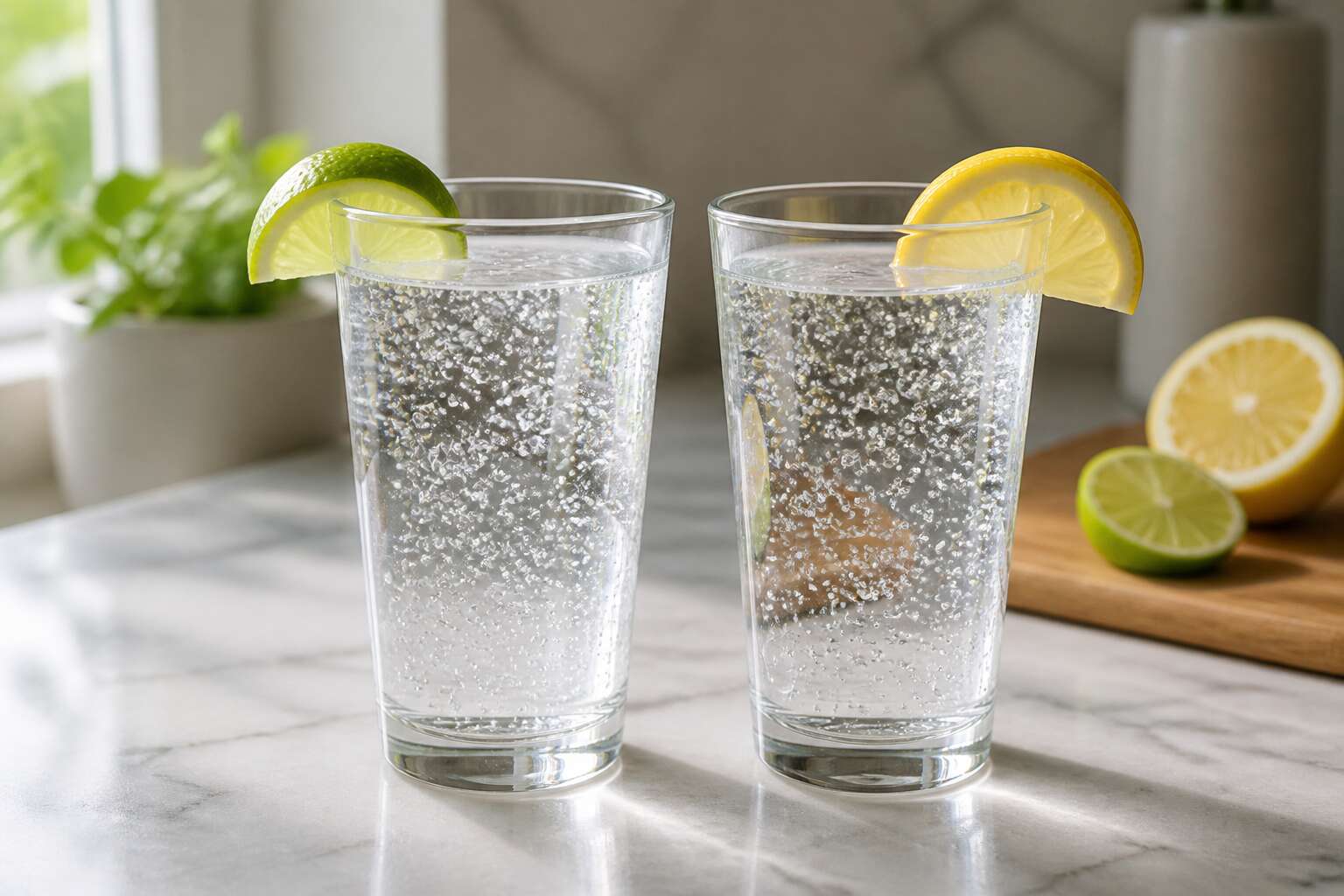
Understanding the Basics
There is a quiet mystery in a glass of bubbly water. The effervescence seems simple, yet the naming conventions in South Africa are anything but. I have stood in the aisle and wondered whether the mountain label bottle held something different from the soda stream one. It does!
The carbonated water versus sparkling water distinction comes down to provenance. Carbonated water is a manufactured product. It begins as still water and receives an infusion of pressurised carbon dioxide. Sparkling water often refers to naturally carbonated spring water. The gas is already present underground.
What follows from origination:
- Carbonated water offers a neutral, consistent taste.
- Sparkling water carries trace minerals from its source, changing the mouthfeel.
The labels matter, but the terminology blurs. The carbonated water versus sparkling water debate is far from settled, since some producers carbonate spring water and still call it sparkling. Your best guide is what is inside the bottle.
Production Methods and Carbonation Levels
The fizz in your glass tells a story of pressure and patience. Carbonated water versus sparkling water often confuses people, but the difference comes down to source and technique.
Carbonated water is made by forcing CO2 into still water under high pressure. This artificial process allows precise control over bubble size and intensity. Sparkling water, however, can emerge naturally from springs where volcanic gases dissolve into the water. Some brands still add CO2 to achieve a consistent profile. It’s a simple yet fascinating difference!
- Gentle carbonation: light bubbles that fade quickly
- Medium carbonation: balanced fizz for daily drinking
- High carbonation: sharp, aggressive bubbles that linger
Carbonation levels vary widely. A low level sits around 2 grams of CO2 per litre, while high levels exceed 6 grams. My personal favourite sits in the middle, where the fizz wakes up the palate without overwhelming it. The method truly shapes the experience!
Health and Nutritional Considerations
The choice of carbonated water versus sparkling water extends beyond mere bubbles. On a physiological level, sparkling water from natural springs often brings trace minerals to the table. Carbonated water, created by injecting CO2, typically offers only hydration.
- Some carbonated brands add citric acid for tang, which can erode enamel.
- Sparkling water might carry a slightly higher pH, a gentler companion for teeth.
Stomachs react differently to each, with gas sometimes settling in awkward ways. Both remain sugar free and calorie free, yet the nutritional story they tell is rarely identical. Your body will likely know the difference.
Flavor, Texture, and Culinary Applications
Flavor separates them more than you might think. Carbonated water often tastes sharper, almost metallic, due to stronger acidification. Sparkling water from a spring emits mineral notes, even a hint of salt. That difference changes how drinks behave!
Texture is another clue. The bubble size in carbonated water versus sparkling water reveals the difference. Carbonated water has larger, shorter lived bubbles, creating a rougher mouthfeel. Sparkling water presents finer, persistent fizz, with a gentle prickle on the tongue.
Culinary applications open further distinctions. Here is what I use:
- Carbonated water lifts batters, perfect for tempura or light pancakes.
- Sparkling water suits wine spritzers, where delicate bubbles matter.
Using the wrong one can flatten a recipe, so always taste before you pour.
Environmental and Economic Factors
Every bottle of sparkling water carries costs that are not printed on the label. The energy required to pressurise, chill, and ship it rarely appears on the price tag. In South Africa, where load shedding inflates production costs and municipal water shortages loom, this distinction is financial, not academic.
Sparkling water usually arrives in heavy glass or single-use plastic, trucked across provinces. Carbonated water, made at home with a refillable cylinder, avoids much of that distance. The cost per litre drops, and so does the burden on the grid.
Consider these factors:
- Imported CO2 for commercial sparkling water pushes prices upward.
- Local tap water, filtered and carbonated at home, uses existing infrastructure.
- Returnable cylinders reduce landfill waste and repeated transport.
For households tracking expenses, the comparison of carbonated water versus sparkling water shows up in monthly budgets and municipal waste streams alike.

0 Comments