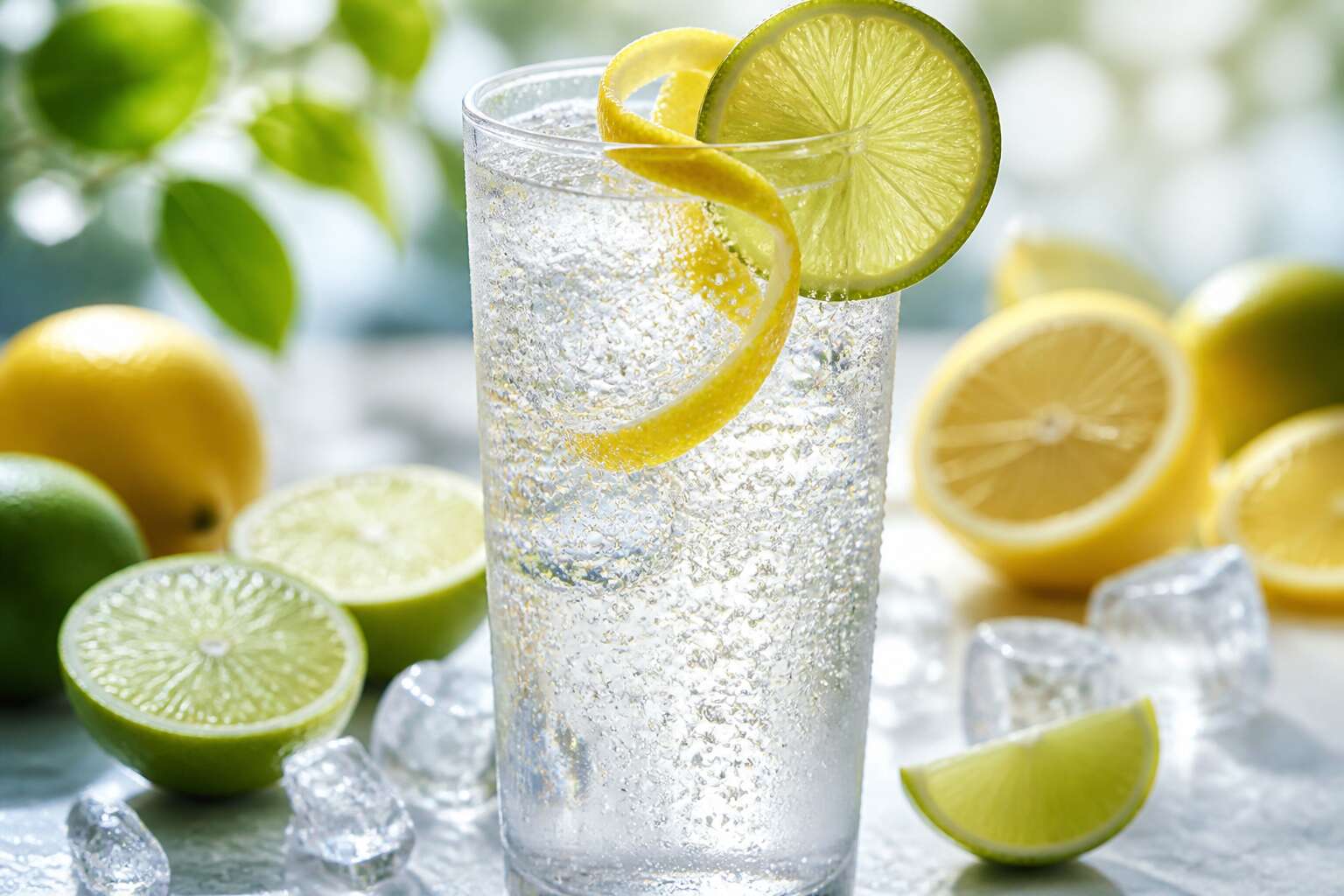
The Refreshing Appeal of Citrus Bubbles
A History of Flavored Bubbles
Somewhere between tantrum and thirst, humanity discovered that adding a squeeze of citrus to sparkling water lemon lime could pacify the masses. It is a beverage that pretends to be soda but behaves like a saint. This fizzy concoction has quietly become the default choice for anyone who wants the theatrical hiss of a can without the sugar coma that usually follows.
The history of this bubbly elixir is less about science and more about marketing genius. What began as a medicinal tonic in European apothecaries soon became a status symbol. By the time the idea crossed the ocean, manufacturers realised that plain carbonated water was about as exciting as watching paint dry. So they added lime. Then lemon. The result was a duet of flavours that tasted like a sunny day in a glass.
Popularity did not happen overnight. It required a series of strategic pivots, including:
– The invention of artificial carbonation in the late 1700s, which made production scalable.
– The shift from pharmacy shelves to grocery aisles during the early 20th century.
– The modern wellness movement that crowned the drink as a guilt free alternative to sugary pop.
Once the beverage earned its stripes in cocktail bars and office fridges, there was no turning back. Today, the crisp bite of sparkling water lemon lime serves as a palate cleanser for the overly sweet world we live in. It offers relief without apology and refreshment without complexity. For South Africans battling the heat, this simple drink is proof that two humble fruits can elevate a basic glass of bubbles into something worth writing about.
The Perfect Citrus Pairing
The hiss of a cold can signals relief. That first sip of sparkling water lemon lime delivers a sharp, clean jolt. It is not sweetness that satisfies. It is the acid bite of two citrus fruits working in tandem. Lemon gives a bright, forward note. Lime adds a grassy undercurrent.
This pairing is no accident. Lemon can turn sharp alone. Lime can feel flat alone. Together they form a spectrum that keeps your palate guessing. In South Africa’s heat, this drink becomes a ritual. Cold glass, condensation, rising bubbles.
Some prefer it straight from the can. Others pour over ice. Common ways to enjoy sparkling water lemon lime:
- As a midday reset
- With a spicy braai
- With a dash of bitters for a sundowner
The citrus duo elevates plain carbonation. Sparkling water lemon lime is a simple pleasure with staying power.
Why Consumers Choose Zesty Hydration
The choice is rarely a gamble. When someone reaches for sparkling water lemon lime, they are opting out of the sugar spiral and the artificial aftertaste. The zesty hydration trend has a firm grip on the local market because it delivers a sensory experience without the caloric penalty.
The appeal lies in the functional shift. Many consumers report they feel less bloated than when drinking diet sodas. The carbonation offers a tactile kick, while the citrus notes cleanse the palate. It is an alternative that holds its own next to iced coffee or a cold beer. For the South African consumer, this beverage has become the default for hydration that does not bore. It is the liquid equivalent of a cold front moving through a summer afternoon.
- Zero sugar content.
- Hydration with a sharper flavour profile.
- Compatibility with high heat and humidity.
This demand is visible in the retail space, where shelf space for sparkling water lemon lime expands annually. The product answers a specific need, it satisfies the craving for something crisp and effervescent while covering the daily fluid intake. It is not about pretending the water is something it is not. It is about making the act of drinking water a more engaging ritual.
Wellness Benefits of Citrus Sparkling Water
Hydration Without Added Sugar
Nearly 60% of South African consumers are actively seeking ways to reduce their sugar intake, and sparkling water lemon lime has become a quiet champion in this effort. The gentle effervescence carries a zesty whisper that makes hydration feel like a small indulgence, a daily ritual that satisfies the palate without the syrupy weight of traditional sodas. This isn’t about sacrifice; it is about discovering that the simplest refreshment often provides the most profound satisfaction.
The synergy of citrus and carbonation creates a sensory experience that encourages you to drink more throughout the day. When your body receives this pure, unadulterated hydration, your energy levels tend to stabilise, and that midday slump often feels less daunting. We often forget that true wellness begins with the most basic elements. By choosing this effervescent option, you are actively participating in a form of self care that is both straightforward and effective.
Beyond the obvious benefit of avoiding refined sugars, the drink offers a clean slate for your system.
– It supports healthy digestion with its gentle carbonation.
– It serves as a palate cleanser, reducing cravings for overly sweet treats.
– It provides a guilt free way to meet your daily fluid targets.
The combination of crisp lime and bright lemon creates a flavour profile that is both invigorating and grounding, a reminder that health does not have to be bland. These benefits work in unison, making every sip a purposeful choice for your physical wellbeing. It is a conscious step away from artificial additives and a moving toward a more mindful consumption. The act of twisting open a bottle and hearing that familiar hiss signals a commitment to yourself. This bubbly rite is a testament to the idea that wellness is often found in the smallest, most pleasurable decisions we make.
Digestive Benefits of Citrus
Nearly one in three South Africans lives with occasional digestive sluggishness, yet few consider what their carbonated beverage does below the throat. The effervescence of sparkling water lemon lime activates the vagus nerve, which directs peristalsis, the wave like motion that propels food. It is a quiet assist, not a dramatic intervention.
Citrus acids from lemon and lime encourage the stomach to secrete hydrochloric acid, which is essential for breaking down proteins. I have noticed that a slow sip after a heavy meal reduces the sensation of gastric stagnation. The aroma of citrus also primes the digestive reflexes before the liquid even lands.
- Limonene, a terpene in citrus, may support the mucosal lining of the gut.
- Mild carbonation helps to release trapped gas, diminishing bloating.
Sparkling water lemon lime serves a functional role in digestive comfort.
A Refreshing Alternative to Sugary Sodas
South Africans are engaged in a permanent tango with sugary sodas, yet the two o’clock slump demands a more cunning countermove. Cola gives a brief spike followed by a crash that feels like a personal betrayal. The choice to sip sparkling water lemon lime is not an act of deprivation, but a strategic pivot toward steady energy levels explained by the absence of a glucose rollercoaster.
The brain also appreciates the switcheroo. A citrus aroma has been shown to influence mood perception, and the sharp, clean taste of this beverage serves as a sensory reset button mid-afternoon. It is a glass of clarity in a world of syrupy chaos.
Consider the practical shift in your daily intake:
– Swapping one 330ml cola for sparkling water lemon lime eliminates roughly 35 grams of sugar from your day.
– The carbonation provides a palate cleansing effect that reduces cravings for overly sweet snacks.
– You retain a fizzy texture without the sticky mouthfeel left behind by high fructose corn syrup.
Hydration through this citrus blend supports cellular function without the diuretic push of caffeine. Your kidneys get a filter that processes less artificial colorant and phosphoric acid. It is a functional beverage for those who want the theatre of bubbles without the metabolic drama. The citrus oils offer a trace boost of vitamin C, which supports tissue repair, though we are not suggesting you cure scurvy with a splash of flavor. We are suggesting that your afternoon focus deserves a beverage that performs quietly, without demanding a nap as payment.
Supporting Daily Vitamin C Intake
A 250ml glass of sparkling water lemon lime contains roughly six milligrams of vitamin C. That is 8 percent of the daily target for adults, a quiet contribution that accumulates across a week of mindful drinking.
I appreciate how the carbonation preserves the citrus integrity. The ascorbic acid remains stable in the bottle, so the nutrient does not dissipate before it reaches your glass.
- Collagen formation relies on vitamin C to maintain skin firmness under intense South African sun.
- Iron absorption from lentils and spinach improves when this beverage accompanies a meal.
- Antioxidant activity counters oxidative stress from urban air and heat.
Sparkling water lemon lime becomes a functional choice for those who want a cold fizz and a trace of immune support, without the syrup.
Exploring Flavor Combinations and Food Pairings
Tasting Notes: Bright, Tart, and Clean
In a blind tasting of bottled waters in Cape Town, the sparkling water lemon lime varietal won through a sharpness that resets the palate. The first sip reads bright, a burst of citrus oils that evaporate quickly. Tart follows, a brief pinch on the tongue, and then clean, meaning no coated throat and no lingering aftertaste. That three-part sequence makes this drink valuable for tasting.
I find the pairing logic simple: the carbonation carries the citrus into the fattier corners of a meal. It suits a smoky braai with boerewors, where the acidity cuts through the char. It also works with salted snoek pâté, because the tartness mirrors the fish’s brine. Try these alongside!
- Grilled linefish with lemon butter
- Spicy tomato bredie
- Mild camembert with honey
The clean finish keeps the palate ready for the next bite, the real test of any sparkling water lemon lime.
Pairing with Seafood and Light Dishes
The ocean provides a palette that begs for a precise, acidic companion. Cape seafood is robust, often kissed by smoke or rich butter, and a citrus-forward drink finds its purpose here. A bottle of sparkling water lemon lime operates like a palate scalpel, separating the deep, oily notes of a fish like yellowtail from the next mouthful of fresh snoek. The effervescence acts as a mechanical cleanser, preparing your taste buds for the next distinct flavour wave.
Consider the quiet pleasure of a platter of west coast oysters. The saltwater brine demands a counterpoint that is sharp without being sugary. A tart, cold sparkling water lemon lime provides that scrubbing effect, cutting through the mineral richness with a precise, clean citrus bite. It allows the delicate nature of the seafood to remain the focus, rather than being overwhelmed by a heavier beverage.
For lighter dishes, such as grilled hake or a simple green salad with kingklip, the logic remains the same. The drink refreshes the mouth between protein and vegetable, acting as a palate reset that helps you appreciate the subtle textures of each component.
– Prawn skewers with a smoky paprika rub
– Fresh calamari tubes, flash fried
– A simple salad of avocado and pickled mussels
It is the main character during a summer fish braai, a welcome and sober presence that keeps the conversation flowing and the food tasting its best. The bright citrus notes become a steadying influence, guaranteeing that the next bite of buttery, flaky fish feels as exciting as the first.
Complementing Spicy Cuisine
The heat of a Cape Malay curry or a smoky peri-peri chicken calls for a companion that can keep its cool. A bottle of sparkling water lemon lime introduces a brisk, clarifying acidity that softens the chilli’s edge without extinguishing its character. The citrus pith and tartness work as a counterbalance to the oil and lingering spice, allowing the complexity of the spices to be experienced in layers rather than all at once.
Take a forkful of a boerewors bunny chow dripping with gravy. The rich tomato base and sharp chillies cling to the palate. A cold, crisp sip cuts through that sticky residue, leaving a clean slate for the next mouthful. It is not about damping the fire; it is about giving the tongue a brief vacation so the heat remains thrilling instead of numbing.
For those who like their food with a serious kick, the bubbly bite provides a physical delineation between flavour profiles. Consider these fearless pairings:
1. A flame-grilled chicken wing with a sticky, fermented chilli glaze
2. A bowl of prawn curry with fresh green chilli and coconut
3. A lamb bunny chow, heavy with coriander and a fierce masala
The effervescence performs a particular service at a hot table. It lifts the palate, preventing flavour fatigue. This sparkling water lemon lime acts as a palate neutralizer, ensuring that a glass of sweet iced tea never becomes a fallback option. It is the vigilant, sober friend at a boisterous braai, keeping the spice from overwhelming the senses and making sure the social atmosphere remains as vibrant as the fiery food itself. It turns a burning sensation into a sustained, enjoyable ritual.
Mixing with Juices and Syrups
Some sparkling waters are content to sit quietly beside a meal, a mere bubble of humility in a glass. Not this one. The sparking water lemon lime acts as the alchemist at the table, a base liquid for DIY drinks that would make a mixologist blush. Instead of reaching for a sugary syrup designed in a lab, users are pouring this into a glass with a splash of rooibos tea, a drizzle of honey, or a spoon of homemade granadilla pulp. The result is a shandy-like beverage that pairs fantastically with a midday snack.
Consider the classic weekend braai scenario. One might mix this sparkling water with a syrup made from fresh mint and a hint of sugar, then sip it alongside a boerewors roll that is far too heavy on the chutney. The citrus content provides structure, preventing the drink from collapsing into a saccharine puddle. It also works with a savory reduction; think of reducing balsamic vinegar and mixing a tiny spoonful into a tall glass of this bubbly. The acidity raises the drink to a level where it can handle salt and vinegar chips.
There is a certain science to the combination. The bubbles help to volatilize the aromatic compounds in the syrup, meaning the nose experiences the flavour before the palate does. For those who prefer a structured approach:
1. Start with a 200ml glass of ice cold sparkling water lemon lime.
2. Add 15ml of a tart fruit syrup, such as elderflower or guava.
3. Stir once, gently, to amalgamate the layers without flattening the carbonation.
This method creates a beverage that is more than a mixer; it is a palate cleanser that supports the texture of fried snacks. It does not mask the flavour of the food. Instead, it offers a texture that contrasts with the crunch of a samosa or the softness of a vetkoek. The effervescence acts as a physical lift, scrubbing the taste buds clean of heavy oils and fats.
For the home experimenter, swapping out water in a standard squash recipe for this sparkling variant yields a drink with a more complex mouthfeel. The carbonation introduces a slight bite that mimics the fermentation notes found in traditional ginger beer. This makes the beverage a worthy companion to salted peanuts or a mature cheese platter. The fizz provides an interruption, a sharp note that prevents the palate from going stale when grazing over a long afternoon.
Even the most serious dinner can benefit. A small glass of this sparkling water lemon lime, mixed with a dash of bitters and a twist of orange peel, serves as a low-alcohol aperitif. It sharpens the appetite without the heaviness of a wine spritzer. By treating the bottle as a base layer rather than a finished product, the consumer unlocks a series of flavour profiles that are dry, crisp, and endlessly recombinable.
Using as a Palate Cleanser
The right palate cleanser does not shout; it resets. Statistically, consumers now reach for carbonated water to interrupt richer flavours more than they do for any spirit or cordial. The sparkling water lemon lime works as a tactile reset between bites, its sharp bubbles physically lifting residual oils from the tongue. After a forkful of creamy snoek pâté, the crisp finish restores a neutral baseline. This is a functional role, not a decorative one. It prepares the mouth for the next distinct flavour without leaving a sugary film behind.
Consider a tasting sequence. A strong ouma rusks, then a slice of mature cheddar, then a piece of biltong. Each carries its own salt and fat profile. Without an intervention, the flavours blur into one heavy note. A sip of this citrus-infused water creates a separation. The acidity cleans the fat from the palate, and the bubbles provide a physical aeration that softens the lingering brine.
For a structured tasting at home, the order matters. One can arrange small plates and use a glass of sparkling water lemon lime as the constant between them.
1. Begin with a salty element, such as olives.
2. Sip the water to clear the sodium residue.
3. Move to a sweeter item, such as a date wrapped in bacon.
4. Sip again to prevent the sugar from coating the tongue.
This rhythm turns a snack board into a deliberate meal. The drink supports the experience by ensuring each item tastes as it should. It is particularly effective after fried foods, where the palate needs a momentary reprieve from the cooking oil. The neutral nature of the beverage, balanced with its citrus lift, makes it the quiet workhorse of the table.
Selecting the Perfect Citrus Sparkling Water
Reading Ingredient Labels
Van Leeuwen’s latest glass bottle reads “all natural” but then lists “natural flavors” twice, which is a corporate way of saying “trust us.” Reading labels becomes the actual wellness test when you hunt for a sparkling water lemon lime that doesn’t hide behind ambiguous chemistry. Your best move is to flip the bottle over and look for the shortest ingredient list you can find.
– Check the sodium count; some brands sneak in salt to mimic mouthfeel.
– Verify the carbonation source; plain carbonated water should be the first listed item.
– Scrutinize any added citric acid, which changes the taste profile substantially.
– Confirm there are no artificial sweeteners hiding under E numbers.
The label for a true sparkling water lemon lime usually says carbonated water and essence of lime. That is it. Some products add actual juice for a heavier body, but that changes the calorie ledger. Approach syrups and sugar substitutes with caution, as they transform a clean drink into a soda in disguise. A quick scan of the back panel takes seconds and saves you from paying premium prices for glorified fizzy pop.
Natural vs. Artificial Flavorings
Citrus oil contains terpenes and aldehydes that shift with every harvest. Artificial flavouring reduces that complexity to a few laboratory-made molecules. In a sparkling water lemon lime, the difference registers immediately. Natural essence captures the peel’s bitterness, the floral undertones, and the sharp finish no synthetic blend has matched.
I have compared bottles side by side. The artificial product leaves a faint metallic coating on the tongue, while natural essence disappears cleanly. That settles the argument!
- Natural flavourings derive from actual citrus peel and oils.
- Artificial versions depend on isolated esters like ethyl butyrate.
- The purest sparkling water lemon lime needs nothing else.
South African shelves now carry both options, and the difference appears in every glass.
Carbonation Levels and Mouthfeel
According to a 2023 survey, 62% of South African consumers judge a sparkling water by bubble intensity first. That statistic makes sense once you feel the difference. Carbonation levels range from a soft fizz to a sharp bite, and each changes how the lemon lime notes land on your palate.
Mouthfeel is a physical event. Finer bubbles coat the tongue evenly, while larger ones burst and fade quickly. In a glass of sparkling water lemon lime, the carbonation should lift the citrus without overwhelming it. Gentle carbonation lets the aroma open first; medium carbonation offers a crisp middle ground; vigorous carbonation demands attention with a prickling finish.
I prefer medium to high for sparkling water lemon lime, because it carries brightness straight up the nose. A brunch with seafood needs restraint, while a hot afternoon calls for extra bite. A sparkling water that goes flat within minutes fails mouthfeel test.
Packaging and Sustainability
Many people will tell you to never judge a book by its cover, but they are silent on the etiquette of judging a beverage by its bottle. In the world of sparkling water lemon lime, the packaging is the first flavor you experience. It is the difference between a can that sweats with confidence and a plastic bottle that feels guilty about its carbon footprint. South African shelves are currently a battleground between lightweight recyclable aluminum and heavier glass, with each material claiming the moral high ground on sustainability.
The environmental calculus is often less straightforward than the marketing suggests. Glass feels premium but carries a heavy weight in transport emissions. A light can saves fuel during shipping, yet its production requires significant energy. For a category as clear as sparkling water lemon lime, consumers are increasingly checking the entire lifecycle. You can find brands that utilize post-consumer recycled content, but you must also consider the lid, the label, and the shrink wrap that binds the multipack together. Sustainability involves a web of local recycling infrastructure decisions.
To buy responsibly without losing your fizz, pay attention to these specifications on the label:
– The percentage of recycled material used in the primary bottle or can.
– Whether the packaging is accepted by your municipal recycling program.
– The use of bioplastics sourced from sugarcane, a growing option in this market.
The irony is that a product which prides itself on clarity is often wrapped in opaque compromises. A fully recyclable can of sparkling water lemon lime that is shipped across the ocean may still leave a larger footprint than a locally sourced glass bottle reused at the factory. The consumer is left to decipher which container aligns with the spirit of the product itself, pure, crisp, and without hidden weight. Choose the package that matches your conscience as closely as the water matches your palate.
Price Versus Quality Considerations
Price tags on a 330ml can of sparkling water lemon lime vary wildly, from discount store labels under R8 to imported craft brands above R30. That gap raises a fair question: what does the extra R20 actually buy? Sometimes it is the water source, a deep aquifer with a specific mineral profile. Sometimes it is a finer carbonation process. Often, it is the brand name.
Quality is not always correlated with price. A mass-produced South African brand may score higher in a blind taste test than a premium import. Here is what to compare:
- Bubble persistence, whether the fizz survives an hour in the glass
- The balance of lemon and lime, since one often dominates
- The aftertaste, which can be metallic from cheaper carbonation
Your weekly grocery budget matters. But a sparkling water lemon lime that sits flat after ten minutes is not a bargain, even at R8.
Popular Brands and Their Offerings
When you stand before the chilled shelf, the range of sparkling water lemon lime options can feel overwhelming. South African shoppers typically encounter three tiers: local supermarket house brands like Woolworths and Checkers Simple Truth, established names such as Schweppes and Bickford’s, and imported European labels like San Pellegrino and Perrier.
Each tier approaches the citrus blend differently. House brands often prioritise a sharp, immediate lime kick with restrained sweetness. Imported labels tend toward a softer, more perfumed lemon note. Some local craft producers use whole fruit extracts rather than flavour isolates.
- Bickford’s uses a traditional cordial base, giving a rounder mouthfeel.
- Schweppes leans into a drier, more astringent finish.
- San Pellegrino’s version carries a finer, more persistent bubble.
Your choice of sparkling water lemon lime ultimately depends on whether you want a crisp post-meal cleanser or a leisurely afternoon sipper. A quick tasting across these brands settles the question faster than any label description.
Creative Uses Beyond the Glass
Mocktail and Cocktail Base Ideas
South African summers call for more than just a cold drink; they call for a versatile ingredient. The humble sparkling water lemon lime has become a staple in my home, not only for its crisp solo act but for its role as a chameleon in the kitchen. It is the quiet foundation for layers of flavour that waits patiently in the wings.
Beyond the standard glass, this bubbly serves as a foundation for a sophisticated sorbet. A simple syrup of sugar, water, and fresh mint can be churned with the citrus fizz to create an airy, palate-cleansing granita. The effervescence keeps the texture light, making it a perfect mid-course interlude for a braai with friends. It works as a surprising leavening agent in tempura batter, too. The carbonation creates a delicate, crispy crust that clings to fish or vegetables without absorbing extra oil.
For those who enjoy a spirited gathering, the drink offers a zero-proof base that mimics the body of a classic cocktail. Its citrus notes pair exceptionally well with botanicals like elderflower or a sprig of fresh thyme found in the local garden.
– The fizz holds up beautifully when mixed with a quality ginger beer for a fiery, non-alcoholic mule.
– For a sundowner, blend it with a splash of local rooibos tea and a hint of honey for a comforting yet cooling concoction.
– A dash of bitters can turn it into a complex, low-alcohol aperitif when served over a large ice sphere.
The sparkling water lemon lime steps in where heavier mixers weigh the palate down. The result is a balanced potion that respects its liquid companions. It allows the subtle notes of premium gins or white rums to shine through without sugar overpowering the profile. This is where creativity finds its sparkle, one glass at a time.
Homemade Citrus Infusions
Your kitchen counter is a laboratory, and the main experiment is figuring out how far one bottle of sparkling water lemon lime can stretch. The answer is further than you think, especially when you start playing with citrus that has been sitting in the fruit bowl for a few days too long. That neglected lime or the shriveling lemon is not a loss; it is the next batch of your secret weapon.
Homemade citrus infusions transform this everyday bubbly from a sidekick into a headliner. The process is simple, but the results are wildly specific to your taste. I keep a jar of zest, not juice, in the fridge. A few strips of lemon peel steeped in the cold sparkling water lemon lime for an hour creates a botanical essence that commercial sodas cannot replicate. The oils in the peel infuse faster than the flesh, giving you an aromatic lift without the sour bite.
When I want a deeper profile, I muddle a wedge of lime with a pinch of salt and a few slices of fresh ginger. That paste goes into a tall glass, and the sparkling water lemon lime does the rest of the work. The fizz acts as a natural whisk, blending the sharpness of the ginger with the bright acid of the fruit. You get a semi-spicy, semi-tart concoction that pairs dangerously well with a Friday afternoon. Consider these variations for your next batch:
– For a savory edge, add a sprig of rosemary and a slice of blood orange to the glass before pouring.
– For a sweeter finish, drop in a single date and let it sit for ten minutes to extract its caramel notes.
– For a tropical twist, muddle a piece of pineapple core with a squeeze of calamansi.
The magic of the infusion is in the waiting, but do not overdo it. Ten minutes is enough for a whisper of flavor. Thirty minutes will command the glass. The carbonation holds its structure through the process, so you remain with a crisp, defined fizz rather than a flat, sad beverage. This method also rescues a warm bottle that has lost its chill. Pour it over an ice block and add the citrus peel directly to the freezer tray beforehand. The ice melts, releasing a slow, controlled infusion that keeps every sip consistently flavored until the very end. It is a lazy way to look like a genius.
Skincare and Household Uses
The same bottle of sparkling water lemon lime that elevates your afternoon cooler is a surprisingly effective tool when you step away from the glass. The carbonation and citric acid act as a mild solvent, which makes it useful for tackling grime without introducing harsh chemical residue. I have used the leftover fizz from a warm bottle to wipe down a stovetop, and the bubbles lift grease in a way that a damp cloth simply cannot.
For skincare, the application is gentle but targeted. The cold temperature and effervescence offer a quick method to de-puff tired eyes. Soak two cotton pads in chilled sparkling water lemon lime and rest them on your eyelids for five minutes. The mineral content and the mild astringent quality of the citrus oil help tighten the skin. It is not a substitute for a proper toner, but it serves as an efficient pick-me-up after a poor night’s sleep. You can also use it as a final rinse for your hair. The acid helps close the cuticle, leaving a noticeable shine, especially for those dealing with hard water.
Household applications follow the same logic. The bubbles provide physical agitation, which is ideal for loosening stuck-on residue.
– Use it to remove water spots from glassware.
– Swish it in a vase to remove cloudy film.
– Wipe down stainless steel sinks for a streak-free finish.
The key is to use the liquid flat or freshly opened. The reaction between the acid and the surface deposits does the work. Keep a bottle near your cleaning caddy and you reduce the need for several specialized products. Just remember to patch test on any sensitive surface first, as the acidic nature can react with certain stone finishes. It is the most versatile item in your fridge, and it never complains about the overtime.

0 Comments