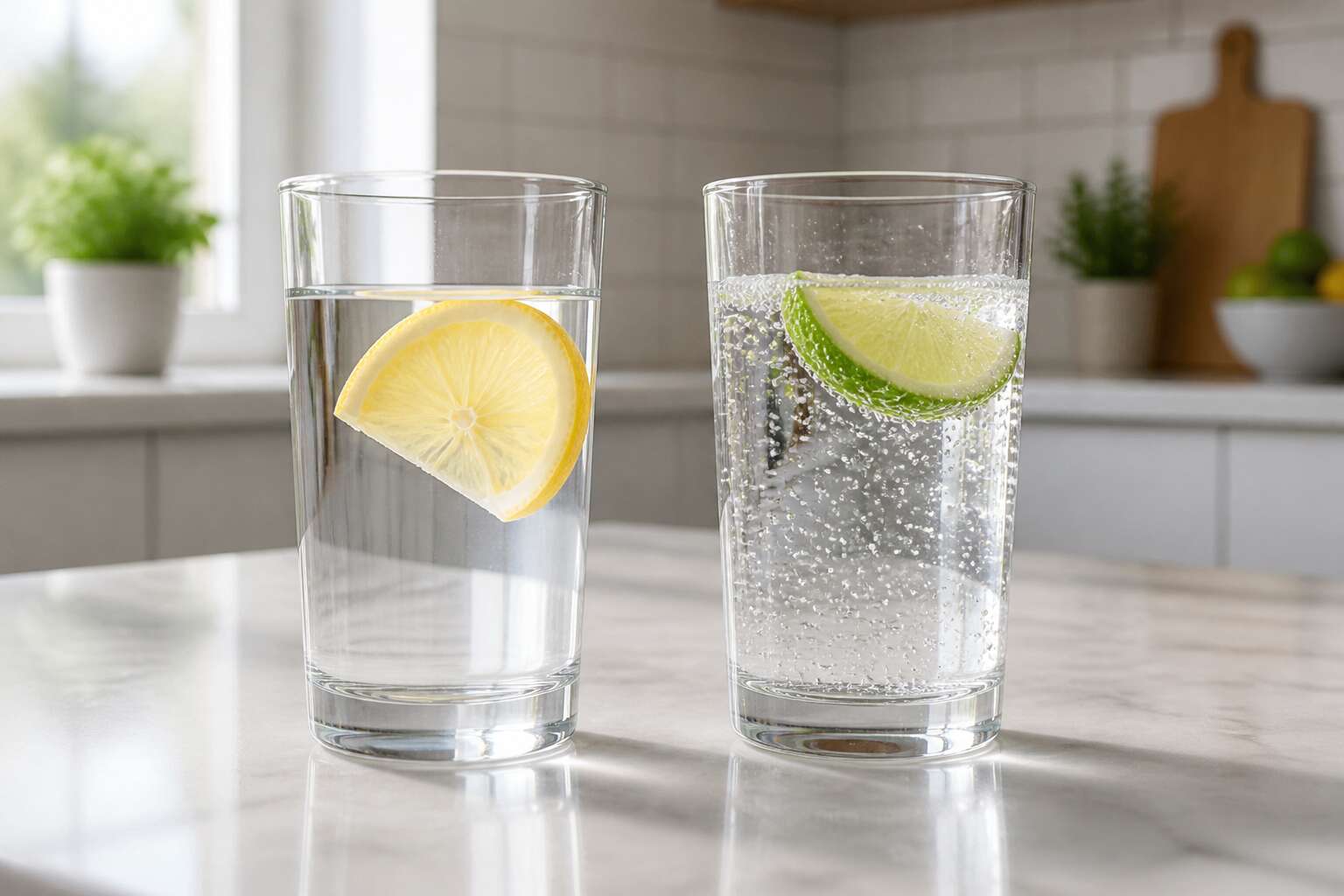
Defining Still Water
What Exactly Is Still Water?
Still water is water that has not been carbonated. It comes from springs, boreholes, or municipal supplies, and it arrives in a glass without the effervescence of its fizzy counterpart. The stillness allows natural minerals, such as calcium, magnesium, and bicarbonates, to remain discernible on the palate.
In South Africa, still water is both a convenience and a necessity. Municipal tap water in major metros is often safe to drink, but bottled still water from regions like the Cederberg or the Winelands carries a distinct mineral fingerprint. These variations matter to chefs, coffee brewers, and anyone who values the subtle character of plain water.
When asking whether are still water and sparkling water the same, the answer begins with the absence of dissolved carbon dioxide. Still water exists without the pressure that creates bubbles.
Common Sources and Types of Still Water
Defining still water means understanding its categories rather than its fizz. In South Africa, the most common still water types are natural spring water, artesian water, and purified water. Each type differs by origin and treatment, and that difference becomes visible in taste and mineral content.
Common sources include:
- Natural spring water, captured at the point where underground water reaches the surface
- Artesian water, sourced from confined aquifers where pressure pushes water upward
- Purified water, taken from boreholes or municipal supplies and processed through filtration
The question of are still water and sparkling water the same is best answered by considering these categories. Still water keeps whatever minerals its source provides, whether that is silica from sandstone or bicarbonates from deeper formations. Sparkling water, by contrast, owes its character to a step that happens later, not to the ground it came from.
Mineral Content and Taste Profile
Still water is rarely as neutral as it looks. The minerals dissolved in it, calcium, magnesium, potassium, and silica, are silent fingerprints of the underground journey it took. You can taste it. A high calcium content offers a rounded, slightly chalky body, while magnesium adds a gentle, almost imperceptible bitterness. Silica, common in South African sandstone aquifers, contributes a crisp, clean mouthfeel.
Consider how the source dictates the character:
– Granite and basalt formations often yield water with higher magnesium and sodium.
– Sandstone filters water slowly, producing a soft, delicate profile.
– Limestone and dolomite aquifers introduce significant calcium and bicarbonate.
The palate detects these differences immediately. This is precisely where the question of are still water and sparkling water the same loses its footing. A still water’s identity is born underground, determined by geology. The taste is a direct translation of the earth it passed through.
Everyday Uses and Consumption Patterns
On a Tuesday evening in Soweto, the kettle boils. That water is still water, used for tea, oats, and the evening glass on the bedside table. People ask, are still water and sparkling water the same? The daily routine says no! Still water hydrates without fuss.
- Cooking pasta and rice
- Making coffee or rooibos
- Diluting syrup for homemade cool drinks
- Washing produce before a meal
Consumption patterns shift with age. I notice older drinkers prefer still water for neutrality. Younger people reach for sparkling water as a treat. Still water goes into a backpack for a hike. Sparkling water stays on the shelf for a braai. That distinction matters.
Defining Sparkling Water
Understanding Carbonation in Water
And yet, the question remains: are still water and sparkling water the same? The answer is a study in contrasts. Sparkling water is water infused with carbon dioxide under pressure, and the carbonation in water is the entire story. That gas dissolves into the liquid, forming carbonic acid and lowering the pH. The result is a mild tang, a shimmering sensation, and a weight on the tongue that still water never carries.
Consider what carbonation actually does:
- It stimulates the trigeminal nerve, producing that familiar, prickling burst.
- It changes the mouthfeel, giving the water body and presence.
- It sharpens the perception of other flavours, making drinks taste more defined.
So the composition is identical, but the experience splits. Still water recedes into the background; sparkling water insists on being noticed. That is the real difference.
Types of Sparkling Water: Seltzer, Club Soda, and Mineral Water
Let’s set the record straight: seltzer, club soda, and mineral water are not sparkling water’s interchangeable cousins. They are distinct characters. Seltzer is the stripped-down purist, carbonated water with zero additives. Club soda, by contrast, sneaks in mineral salts like sodium bicarbonate to soften the bubbles. Mineral water, the overachiever, pulls its fizz from an underground source, carrying a natural mineral signature to the glass.
- Seltzer: bare carbonation, no extras.
- Club soda: carbonated plus added minerals for taste.
- Mineral water: naturally carbonated and mineral-rich.
So when someone insists are still water and sparkling water the same, hand them a seltzer and a mineral water side by side. The gulf grows wider. That distinction shapes everything from your palate to your wallet.
How Sparkling Water Is Produced
Carbon dioxide gas makes sparkling water sparkle. That is the whole difference in essence, but the production process turns that simple fact into a spectrum of experiences. When someone asks are still water and sparkling water the same, the answer lives in the gas and in how it got there.
Manufacturers produce most commercial sparkling water by chilling filtered water and injecting CO2 under pressure. The colder the water, the more gas it absorbs, so industrial carbonation equipment keeps things near freezing! A different route exists for naturally sparkling water. It rises from deep springs, including a handful in South Africa, where geological pressure dissolved gases into the water over centuries. Bottlers capture that water directly.
- Pressure settings control the bubble intensity
- Temperature regulates gas absorption
- Source water minerals shape the mouthfeel
Flavor, Mouthfeel, and Additives
Carbonation changes everything about a beverage, and the question are still water and sparkling water the same becomes obvious the moment the glass touches your lips. The bubbles deliver a bite, a sharp texture that still water lacks entirely. I would argue mouthfeel is the whole event. The gas creates a gentle acidity that activates your palate before any flavor arrives.
Flavor in sparkling water is a lesson in restraint. Pure products taste of water and gas, but additives shift the experience. Many bottles carry natural essences:
- Citrus oils and fruit extracts
- Quinine for tonic water’s bitterness
- Floral infusions like elderflower
- Spring minerals for a fuller body
Some are sweetened, though that edges toward soft drinks. The possibilities multiply. So the honest answer to the question is tangled, more so than a simple yes or no. It depends on gas, certainly, but also on whatever else hides inside your chosen bottle!
Nutritional Differences Compared to Still Water
Nutritionally, still and sparkling water are more similar than most people expect. A standard glass of either contains zero calories, zero sugar, and zero fat. I have compared labels side by side, and the question are still water and sparkling water the same rarely gets answered by the nutrition panel, because the basic numbers look identical!
But the labels do differ. Carbonation creates carbonic acid, which drops the pH and gives sparkling water a slightly acidic character. Still water stays neutral. Club soda, a popular sparkling choice, often adds sodium for balance, and a 250 ml serving can hold 50 to 75 mg of salt. Still water carries none unless it draws from a mineral source.
- Sparkling water can trigger stomach bloating in sensitive drinkers.
- Still water protects dental enamel better, given its neutral pH.
- Flavoured sparkling varieties sometimes contain added sugars or sweeteners.
Key Differences Between Still and Sparkling Water
Carbonation and Physical Properties
Ask the question of are still water and sparkling water the same, and the physical evidence answers before you take a sip. The difference rests squarely on carbonation. Still water contains almost no dissolved gas; it sits calm and settled in the glass. Sparkling water, however, holds pressurized CO2 that escapes the moment you twist the cap. That gas changes everything, from weight to temperature perception!
Consider the physics. Carbonation lowers the liquid’s pH, creating a mild acidity you can actually feel as a light sting. Bubbles also alter density and make sparkling water feel lighter on the palate than its flat counterpart.
- Still water has no effervescence, so it hydrates without fizz.
- Sparkling water releases gas continuously, changing texture with each pour.
These are core distinctions when examining are still water and sparkling water the same.
Acidity Levels and pH Impact
On acidity, the question of are still water and sparkling water the same finds a clear answer. Sparkling water owes its tang to carbonic acid, formed when pressurised CO2 meets water. This byproduct lowers the pH to roughly 4 or 5, depending on the brand. Still water, drawn from boreholes or springs, typically sits near neutral.
The effects for South African drinkers are worth noting:
- Sparkling water can soften tooth enamel over years of frequent consumption.
- Still water does not introduce acid into the digestive tract.
Neither beverage is harmful, yet the chemical difference is measurable. For those weighing dental wear or stomach sensitivity, the fizzy option is the more reactive one.
Hydration Efficiency and Absorption
There is a persistent rumour that carbonation interferes with hydration. The evidence, however, is admirably stubborn. Are still water and sparkling water the same when it comes to absorption? Essentially, yes. The stomach does not scrutinise bubbles. Both reach the bloodstream with comparable speed.
The real difference lies in behaviour. Sparkling water’s effervescence causes gastric distension, which is a polite term for fullness. That fullness can end a drinking session after one glass. Still water has no such effect and therefore allows higher total volume. In my observation, the drinker, not the drink, determines hydration success.
- Sparkling water may reduce total consumption through early satiety.
- Still water encourages steady, unbroken drinking.
- Neither beverage changes how the intestines uptake fluids.
For South Africans, the practical question is volume. Hydration efficiency depends on how much you actually drink. The fizz is pleasant, but the quiet option often delivers more.
Effects on Digestion and Stomach Health
The question are still water and sparkling water the same grows more interesting when you consider the stomach. Sparkling water releases carbon dioxide inside the gastric lumen, creating pressure that can lead to belching and discomfort. For people with sensitive stomachs, this effervescence may provoke bloating or exacerbate reflux symptoms. Still water, lacking gas, remains neutral and unbothered.
Observe how the two affect digestion. The fizz delays gastric emptying in some individuals, while the quiet beverage allows normal processing. A common outcome appears here:
- Bloating from retained gas in the gut.
- Increased acid reflux episodes in predisposed people.
- Pressure that triggers early satiety.
Still water offers no such gastric theatrics. For many South Africans, the choice becomes a matter of tolerance rather than identity. Your stomach will tell you which one belongs in your routine.
Dental Enamel and Bone Health Considerations
Acidity is the silent aggressor here. Sparkling water’s carbonation forms carbonic acid, dipping the pH low enough to soften enamel over repeated exposure. Still water sits near neutral, offering no such threat. For those sipping throughout the day, the cumulative contact matters.
Bone health tells a different story. The calcium loss once linked to carbonated drinks traces back to phosphoric acid in colas, not to the bubbles themselves. Sparkling water lacks that compound, so bones are not directly compromised. However, the dental enamel risk remains real, and the question of are still water and sparkling water the same finds a practical answer in your teeth. If you chase fizz, moderation protects your smile.
Cooking and Culinary Applications
In the kitchen, still water hydrates doughs, deglazes pans, and forms the base for soups and stews without altering texture. Sparkling water performs differently. Its bubbles introduce air into batters, yielding lighter tempura and fluffier pancakes.
A simple side by side test answers are still water and sparkling water the same in culinary settings. Replace still water with sparkling in a cake recipe and observe the lift. The carbonation expands during heating, creating a tender crumb. For rice or pasta, still water works best; the fizz adds nothing and may leave a faint mineral note. I have found that sparkling water pairs well with fish poaching, though it changes the liquid’s mouthfeel.
- Sparkling water suits frying batters, boosting crispness on contact with heat.
- Still water suits bread dough, where consistent hydration prevents uneven gluten development.
Choosing the Right Water for Your Lifestyle
Hydration Needs and Daily Intake
Choosing between still and sparkling water hinges on your daily rhythm. The World Health Organization recommends 2.5 to 3 litres of fluid per day for adults, and both formats contribute equally. A shift worker may prefer the crispness of carbonation. A teacher moving between classrooms will likely refill a still bottle without pausing. Neither choice is nutritionally superior.
Practical concerns shape the decision. Sparkling water arrives in heavier glass or aluminium, which affects carrying load and recycling habits. Still water flows from any tap, making it the default in most South African households.
- Match the format to the occasion, not to fashion
- Stock sparkling for weekend meals and still for weekday work
- Monitor your urine colour as a simple intake marker
When people ask are still water and sparkling water the same, the honest reply is that they serve identical hydration goals. Their differences are sensory and logistical, not physiological.
Weight Management and Satiety
There is a quiet complexity to the choice between a quiet glass and a sharp, fizzy one, especially when weight management enters the room. The question of are still water and sparkling water the same becomes a matter of appetite, not just chemistry. Sparkling water’s carbonation has a physical weight to it, a sensation of fullness that can linger in the stomach long after the last sip. This fleeting pressure is a useful illusion, one that can dull the edge of a craving without adding a single calorie.
For those who find their resolve weakening between meals, the bubbles offer a tactical advantage. Still water, however, is the honest companion for steady, mindful consumption. It does not distract with sensation; it simply hydrates, allowing the body’s natural hunger signals to speak without interference.
– The effervescence may trigger a stretch response in the gut, signaling fullness.
– This effect is temporary, offering a brief window to avoid an unnecessary snack.
– Still water requires no such negotiation, relying solely on volume.
There is also the matter of sodium. Some sparkling varieties contain added minerals that can encourage water retention, a subtle bloat that mimics weight gain on the scale. A discerning eye should read the label. For the South African pantry, the choice often falls to the ritual of the moment, but the body’s response to these two waters is distinctly different in where it gathers and how it signals the brain.
Athletic Performance and Recovery
Many athletes wonder if the choice between still and sparkling matters during training. For rapid rehydration after a long run, still water is often the practical choice. The bubbles in sparkling water can create a sense of fullness that makes it harder to drink enough.
Consider your own routine.
– A cyclist might prefer still water in a bottle for easy sipping.
– A gym enthusiast may enjoy sparkling water after a session as a treat.
For athletes, the question of are still water and sparkling water the same takes on practical meaning. They are not the same in practice. Sparkling water can be refreshing, but it may not encourage the volume of intake needed for recovery. Still water allows you to drink steadily without the distraction of carbonation. The right choice depends on how your body responds during exertion.

0 Comments