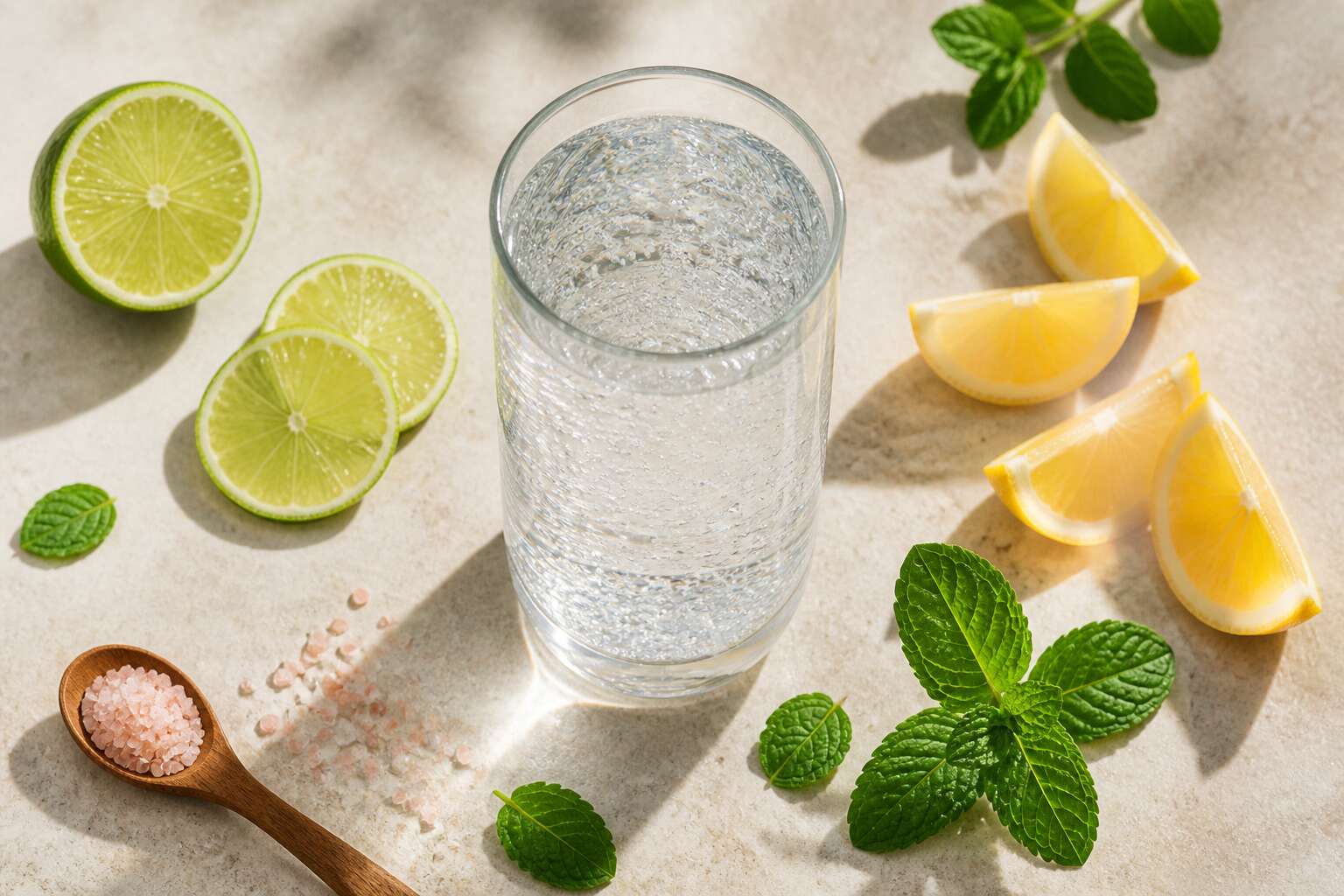
The Base Liquid: Water and Carbonation
Source Water and Purification Processes
The overlooked hero in any list of sparkling water ingredients is the water itself. South Africans know the value of a clean aquifer; the 2018 Cape Town drought pushed borehole drilling to record levels. What flows from those depths shapes the final product.
Source water carries dissolved minerals that shape its character. Purification removes this variation, and I can tell you the process is rigorous. Reverse osmosis pushes water through a semipermeable membrane, rejecting up to 99% of dissolved solids. Deionisation removes the remaining charged ions. Activated carbon filtration catches volatile organic compounds that would otherwise taint the carbonation.
- Sediment filtration clears suspended particles first
- Reverse osmosis tackles dissolved mineral content
- UV treatment neutralises microbial life without adding chemicals
The result is a neutral base, one that lets carbonation stand out. Yet the source matters. Municipal water arrives chlorinated; spring water arrives with character. Both require scrutiny before they earn a place among sparkling water ingredients.
Carbon Dioxide: How It Enters and Staying Dissolved
Every bottle of sparkling water is a closed system under pressure. Carbon dioxide remains dissolved because of two forces: low temperature and high pressure. Warm the bottle, and the gas escapes. Open the seal, and the pressure drops. Producers control both variables from the moment of injection.
Keeping the gas dissolved requires attention to three variables:
- Temperature: cold water absorbs more gas.
- Pressure: the headspace must stay sealed.
- Agitation: any shaking disturbs the equilibrium.
For anyone evaluating sparkling water ingredients, the base liquid and the carbon dioxide act as one system. The water must be clean enough to avoid unwanted nucleation sites. The gas must be pure. When both are controlled, the drink holds its fizz from factory to glass.
Pressure and Temperature Effects on Fizz
Of all the sparkling water ingredients, the base liquid is the one we ignore. Yet it decides how bubbles feel. Water with natural minerals holds carbonation differently than pure water. Calcium and magnesium ions create structure, giving each fizz a certain weight. Pressure pushes gas into solution. Temperature locks it there.
But the relationship is direct. A warm glass loses its fizz faster than a cold one. I have seen this in my own kitchen. Leaving a bottle out changes everything. Consider this:
- Cold water absorbs more gas, so keep it chilled.
- Higher pressure forces more CO2 in, but only if the seal holds.
The water itself either stabilizes or undermines that effort.
Flavoring Agents: Natural, Artificial, and Beyond
Fruit Essences and Peel Oils
Flavour is where the quiet chemistry of water and gas becomes a sensory event. The market for sparkling water is booming, with over half of all new beverage launches featuring some form of added taste. This has transformed the simple can into a canvas, but the paint used matters more than most realise. For the discerning South African palate, the source of that berry burst or citrus zing defines the entire experience, separating a refreshing sip from a chemical one.
The primary tools are fruit essences and peel oils. These are not synthetic inventions but concentrated captures of aroma. When you zest an orange, the oil that mists into the air is the same compound used to flavour your drink. These essential oils are prized because they are volatile, meaning they release their scent easily upon opening the can, which is crucial for the perception of flavour. They are often extracted through cold pressing, a process that avoids heat and preserves the delicate molecular structure. This method yields a complex profile, offering subtle notes that change as the liquid warms in your hand.
However, the reliance on these pure compounds is not without its challenges for manufacturers. Natural ingredients can fluctuate in cost and potency due to weather and harvest yields. To ensure a consistent product, producers often turn to a different set of tools:
1. Nature-identical flavouring substances, which are chemically replicated in a lab but are the same as those found in nature.
2. Artificial flavourings, which are crafted from synthetic sources and can mimic profiles or create entirely novel tastes like candy-like grape or watermelon.
3. Blends of enzymes and botanical extracts that alter the mouthfeel or perceived sweetness without adding sugar.
This is where the magic of the method becomes apparent. A purely natural lime oil might taste sharp and fleeting. By strategically combining it with a nature-identical compound, a manufacturer can extend the finish of that lime note, making it linger pleasantly on the tongue. The result is that the essential oils provide the soul, the authentic first impression, while these other components build the structure, the lasting impression. This dual approach is how the complex, layered profiles in premium sparkling water ingredient list come to life.
The perception of these ingredients is also tied to how they interact with the carbon dioxide. The bubbles act as a carrier, propelling aroma molecules to the olfactory receptors in your nose. This is why the fizz is not just a texture but an integral part of the taste itself. A drink with a delicate floral essence will taste vastly different at high pressure versus a gentle effervescence, as the intensity of the gas alters how much of the scent you actually detect. Ultimately, the choice between natural and artificial is a narrative of authenticity versus consistency, and the best producers are those who master the blend of both.
Synthetic Flavor Molecules
Flavoring agents determine the final taste experience. While fruit essences provide the initial aroma, synthetic flavor molecules offer precision. These laboratory crafted compounds mimic nature or invent new profiles. For instance, ethyl butyrate delivers pineapple, while isoamyl acetate evokes banana. The choice between natural and artificial is not binary. Many premium drinks use nature identical substances, which are chemically identical to natural ones but produced synthetically. This ensures stability and cost control. Artificial flavourings, however, can create tastes that do not exist in nature, like cotton candy. Consider the benefits:
- Consistent quality across batches.
- Lower cost per litre.
- Extended shelf life without degradation.
Understanding these ingredients is key to evaluating any sparkling water ingredients. The molecular design determines the sensory experience, from the first sniff to the final sip.
Plant Extracts and Spices
Flavoring agents in sparkling water often carry an unspoken moral weight. When a label whispers “natural,” we assume purity, yet the distinction between natural and artificial can be thinner than the liquid itself. Plant extracts and spices, like rooibos, ginger, or juniper, do not merely add taste; they introduce a narrative of place and tradition. These ingredients bring a botanical complexity that synthetic molecules struggle to replicate, because their volatile compounds shift with soil and season. This variability is a feature, not a flaw, for those who seek an authentic sensory anchor in their drink. It is a quiet rebellion against the tyranny of uniformity.
However, the pragmatic heart of any beverage maker knows that consistency wins loyalty. This is where nature-identical compounds step in, offering a stable bridge between agricultural romance and commercial reality. They are not a deception, but a compromise. For the discerning South African consumer, the real question is about transparency. Do you want a product that changes subtly, or one that reliably tastes like last week? The answer lies in your tolerance for surprise. When evaluating sparkling water ingredients, consider what you are actually paying for:
- Authentic botanical provenance with variable character.
- Precise, replicable flavor profiles using nature-identical isolates.
- A hybrid approach, blending trace amounts of real spice with aroma enhancers.
Each path alters your drinking experience, not just on the palate, but in your expectation of what refreshment means. Ultimately, the label is a promise, and your tastebuds are the judge of its honesty.
Terpenes and Aroma Compounds
Nearly 80% of flavor is aroma, and terpenes are the volatile compounds behind that perception. These hydrocarbons, present in hops, citrus rinds, and pine needles, drift through your sparkling water ingredients without contact with the tongue. They bind directly to olfactory neurons, bypassing the coarse apparatus of taste buds.
Artificial aroma compounds often mimic terpenes with unsettling precision, yet they miss the living variability. A natural limonene alters with harvest; a synthetic one remains static. The difference is not chemical purity, but temporal character. Some drinkers crave that unpredictable variation.
- Linalool, a floral terpene from coriander and lavender
- Pinene, from juniper and rosemary, carrying a forest after rain
- Humulene, from hops, providing earthiness that settles the fizz
These molecules delineate the boundary between refreshment and reverie. When you assess sparkling water ingredients, ask whether you desire laboratory consistency or organic variability.
Functional Additives: Sweeteners, Minerals, and More
Caloric Sweeteners: Sugars and Syrups
Sweetness in sparkling water is rarely an accident. It is a calculated choice, a measured addition of sugars or syrups that changes the drink’s entire character. Among sparkling water ingredients, sweeteners and minerals perform specific tasks. Caloric sugars and syrups, from cane to glucose, add a smooth body that changes the brisk bubble into something more indulgent. These additions are not mere sweetness; they bring mouthfeel and a lingering finish.
Minerals function differently. They can sharpen or soften the effervescent bite. Some add a saline edge, others a chalky texture. For those who want sweetness without the sugar, synthetic and plant-based options present an alternative.
A brief exploration of common functional additives:
- Stevia and monk fruit for a zero-calorie profile
- Potassium or sodium salts for mineral balance
- Honey or agave syrup for a nuanced, heavy sweetness
Each of these sparkling water ingredients alters the drink’s equilibrium, inviting another sip.
Sugar Alcohols and Natural Alternatives
Functional additives extend beyond the simple opposition of sweet and dry. Sugar alcohols like erythritol and xylitol contribute sweetness without a glycemic spike, while their hygroscopic nature affects how the liquid coats the tongue. Natural alternatives such as monk fruit extract and steviol glycosides require precise dosage; their potency means a fraction of a gram alters the entire profile. Minerals play an equally decisive role. Potassium bicarbonate, magnesium chloride, and calcium salts modify both taste and the sensation of effervescence. These sparkling water ingredients interact with carbon dioxide on the palate, either extending the fizz or muting its sharpness. Balanced formulations often pair sugar alcohols with citric acid to achieve a clean finish. The best sparkling water ingredients feel intentional, never accidental. A brief inventory:
- Erythritol for volume and a cooling effect
- Stevia for high-intensity, zero-calorie sweetness
- Potassium and magnesium salts for electrolyte balance and mouthfeel
Each component adjusts the drink’s structural balance.
Artificial Sweeteners: Types and Use
Artificial sweeteners behave differently from their natural counterparts. Sucralose, aspartame, and acesulfame K are common in commercial sparkling water, each with its own release curve. Aspartame peaks quickly and disappears, while sucralose sits on the tongue longer. Acesulfame K often brings a bitter edge, so formulators blend it with others. These sparkling water ingredients must be measured precisely; even 5 mg alters the finish.
- Sucralose: stable under carbonation, high heat
- Aspartame: clean profile, but less stable over time
- Acesulfame K: often paired to mask its own bitterness
Minerals also carry weight. Potassium bicarbonate softens the sharpness of carbon dioxide, while magnesium chloride adds a subtle creaminess. Without them, many artificial sweeteners taste hollow. For South African brands, balancing these sparkling water ingredients is the difference between a crisp refreshment and a chemical aftertaste.
Electrolytes and Mineral Enhancers
Functional additives are the quiet workhorses of the modern sparkling water industry. These sparkling water ingredients do more than quench; they define texture and aftertaste. Electrolytes such as potassium bicarbonate soften the sharp edges of carbonic acid, while magnesium chloride contributes a silky weight that many drinkers mistake for richness. Sodium citrate, a common mineral enhancer, adjusts pH without introducing saltiness, making it a favourite among South African formulators.
Consider the typical mineral blend used in premium cans:
- Potassium citrate for a clean, mineral tang
- Calcium chloride for structural crispness
- Sodium bicarbonate for gentle buffering
These sparkling water ingredients work in concert. When balanced correctly, the beverage feels substantial on the palate. When neglected, the drink turns hollow, even with perfect carbonation. That is the difference between a functional refreshment and a forgettable sip.
Vitamins and Antioxidant Additions
Vitamins and antioxidants add functional depth to sparkling water ingredients. I have watched formulators add B12 and ascorbic acid to the same blend, and the difference appears only in the aftertaste. The bubbles stay the same, but the finish turns clean instead of metallic. Consider a citrus sparkling water with antioxidant fortification. It might contain:
- Vitamin C to stall oxidation and preserve the peel oil sharpness
- Vitamin E to protect delicate aroma compounds from light damage
- Zinc to support immune function without adding mineral saltiness
These sparkling water ingredients require careful dosing. Too much vitamin C, and the acidity overwhelms the carbonate system. Too little, and the antioxidants fail to shield the essences. I once tasted a prototype where the antioxidant blend made the water taste like wet cardboard, a direct result of improper stabilisation. Modern producers use liposomal encapsulation to shield these compounds until consumption. This is how a can of sparkling water can deliver genuine nutritional value without compromising its effervescent character.
Regulatory and Quality Considerations
Preservatives and Shelf-Life Extenders
A single contaminated batch costs more than any preservative ever will. In South Africa, the SABS enforces strict caps on antimicrobial agents like potassium sorbate and sodium benzoate. These compounds suppress yeast and mould, yet their dosage must stay minimal. Exceed the threshold and you alter the taste, then face regulatory penalties!
Quality assurance teams verify each batch of sparkling water ingredients through:
- Microbial swab tests at filling lines
- pH drift monitoring over 12 weeks
- Dissolved oxygen checks before capping
I have seen formulations fail on oxygen alone. These checks keep your sparkling water ingredients stable without chemical overreach. A product that passes holds its fizz and flavour well beyond the stamped date. That reliability separates premium brands from the rest.
pH Adjusters and Acidity Controllers
The pH of your sparkling water ingredients is a measured defiance against decay. In South Africa, the SABS imposes strict tolerances on acidity controllers like citric acid and phosphoric acid. A drift of 0.2 units can unleash corrosive flavours or allow dormant microbes to awaken.
- Citric acid for a bright, clean tang
- Phosphoric acid for a brittle sharpness
- Malic acid for a slow, lingering sourness
Quality teams test pH at syrup blending, carbonation, and after twelve weeks of shelf life. I have seen batches fail on a pump’s inconsistent delivery. These controllers do not preserve; they temper. They hold the drink’s character within a legal and sensory boundary.
Labeling Laws and Transparency
South African shoppers have turned into amateur inspectors. The fine print on a bottle of sparkling water ingredients now receives more scrutiny than a restaurant bill. The Department of Health enforces strict labelling regulations, and for good reason. A missing juice concentrate or a vague ‘natural flavour’ entry draws immediate suspicion. The law demands accuracy, legibility, and no misleading claims.
Transparency does not stop at the list of sparkling water ingredients. It covers the source of carbon dioxide, the presence of added minerals, and even trace allergens. The discerning consumer knows when a label lists potassium benzoate but fails to explain its role. That omission raises questions.
A compliant label is built on a few essentials:
– The full product name
– Net content in metric units
– Physical address of the producer or importer
– Country of origin
– A lot code for traceability
These elements are not optional extras. They are the brand’s handshake with the public.
Third-Party Certifications
Third-party certifications separate credible sparkling water ingredients from hopeful marketing. A label can claim anything, but an independent audit carries weight. South African producers often seek SABS approval, HACCP compliance, or ISO 22000 certification. These are not decorative stamps. They demand rigorous testing of every batch, from source water to the final fizz. I have seen a factory lose its certification over a single contaminated valve. That is the system working.
Certifications also address consumer trust. A certified seal means an outside expert has verified the contents. Here is what a typical audit examines:
- Supplier verification for raw materials
- Traceability of all additives
- Sanitation protocols for filling lines
- Batch recall procedures
No certification guarantees perfection, but it increases accountability. A brand that invests in third-party oversight is less likely to compromise quality. That justifies a higher price, even if the bubbles are just carbon dioxide.

0 Comments